
Aswan High Dam
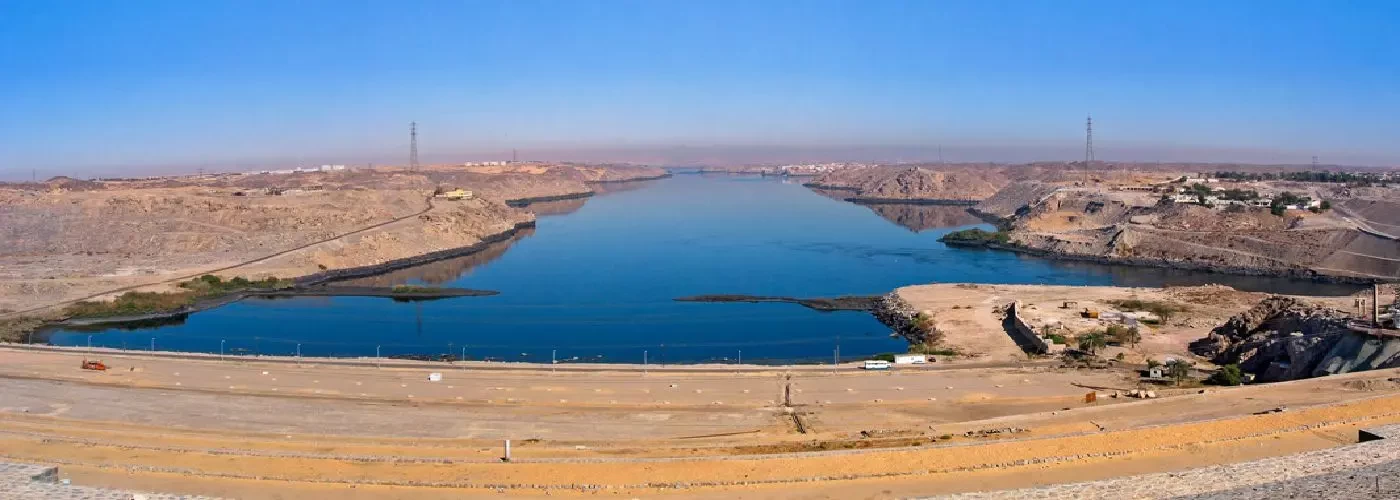
The Aswan High Dam is an important modern monument in the southern part of Egypt, which brought a lot of changes in terms of water supply, agriculture, and electricity generation. Moreover, it was the dam that led to the creation of Lake Nasser and the conservation of many monuments at risk from rising water levels. Today, it is one of the notable Aswan attractions and can be visited alongside the city’s ancient temples and archaeological sites.
What Is the Aswan High Dam?
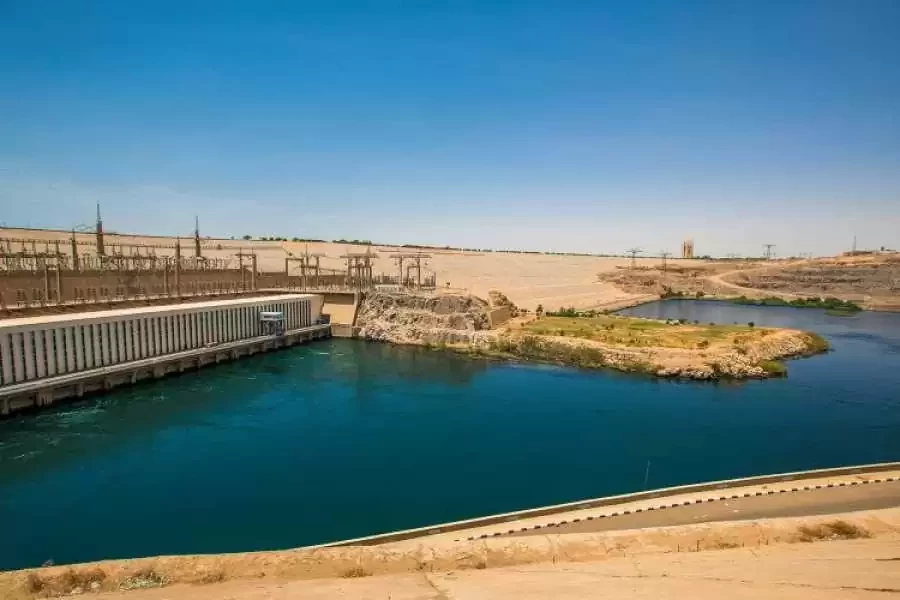
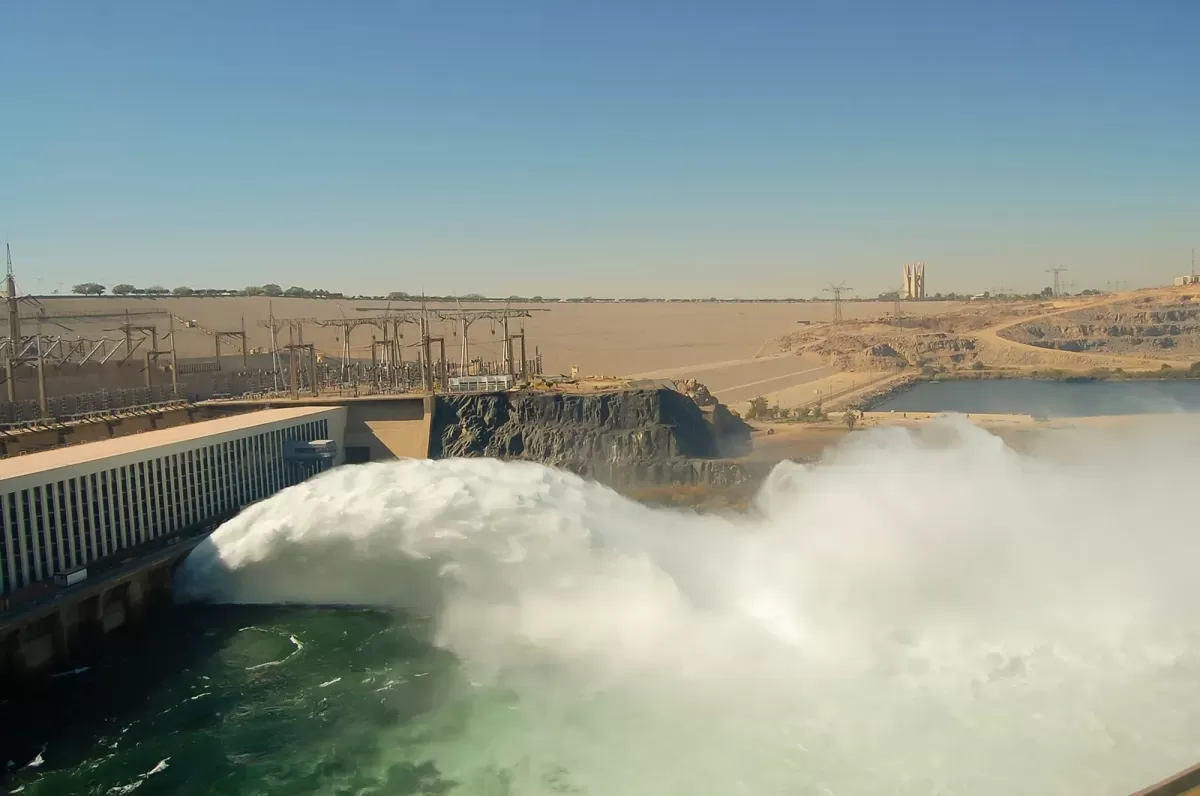
The Aswan High Dam is an engineering marvel constructed along the Nile River in the south of Egypt near Aswan city. The construction started in 1960 while the official opening of the High Dam took place in 1971. This structure was put up to control the flow of the river Nile, flooding and offer a reliable source of water for irrigation purposes.
This structure also resulted in the creation of Lake Nasser which is among the largest man-made lakes in the world. The High Dam replaced the previous Aswan Low Dam that had been built down the stream several decades ago. Presently, the giant structure is one of the significant monuments of Egypt’s recent history and still plays an important role in controlling the flow of the river Nile. The Aswan High Dam gives an impressive sight when compared to the ancient temples and archeological structures of Aswan.
Why Was the High Dam Built?
The building of the Aswan High Dam was linked to the needs of Egypt to gain more control over the Nile and the flooding process associated with it. Prior to the High Dam, the annual flood used to be both an asset and a problem for the regions located on the bank of the river. The dam has made it possible to control the water supply for the whole year and provide the reservoirs with the large amount of water.
The project is useful for the irrigation and production of electric power; thus, it is one of the key facilities in Egypt. Nevertheless, the construction of the massive facility has led to alteration of the landscape in the region as well as to formation of the artificial Lake Nasser. The water level rising in the region has endangered many historical sites, which caused an international campaign to preserve the culture of the region.
Lake Nasser and the Nubian Monuments
The construction of the Aswan High Dam also had another very important consequence – the formation of Lake Nasser, which extends further south from Aswan, through Egypt and Sudan. The increase in the level of water endangered a lot of ancient monuments and sites in Nubia. This situation required an international action, conducted by UNESCO, in order to rescue the monuments threatened by water.
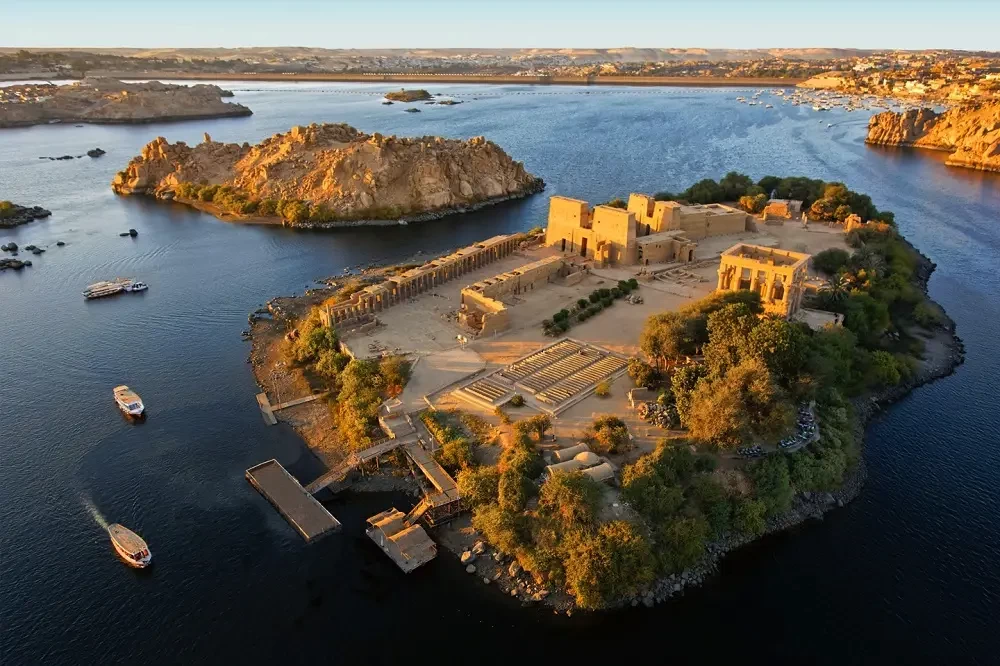
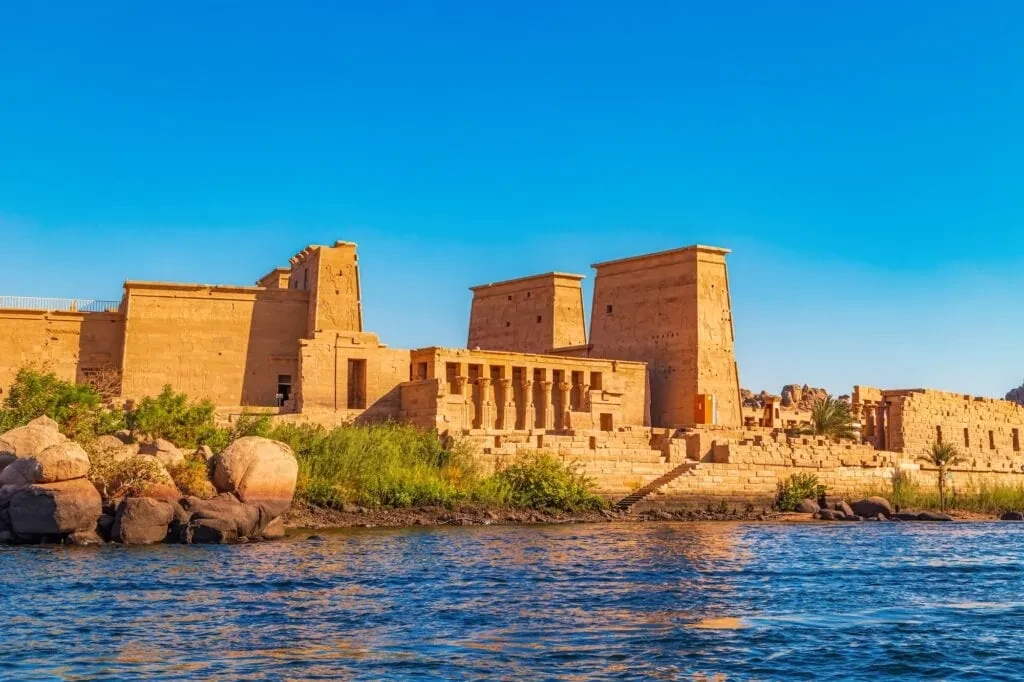
One of the most famous cases of such monument saving process is that of the Philae Temple, which was dismantled and restored on Agilkia Island. Thanks to such campaigns, not only the temple of Philae, but also other monuments like the Temples of Abu Simbel have been preserved. The Nubian Monuments from Abu Simbel to Philae are included in the UNESCO World Heritage list. Thus, seeing the High Dam on Aswan Day Tours can help tourists understand why there are so many monuments rescued and restored.
What Can You See at the Aswan High Dam?
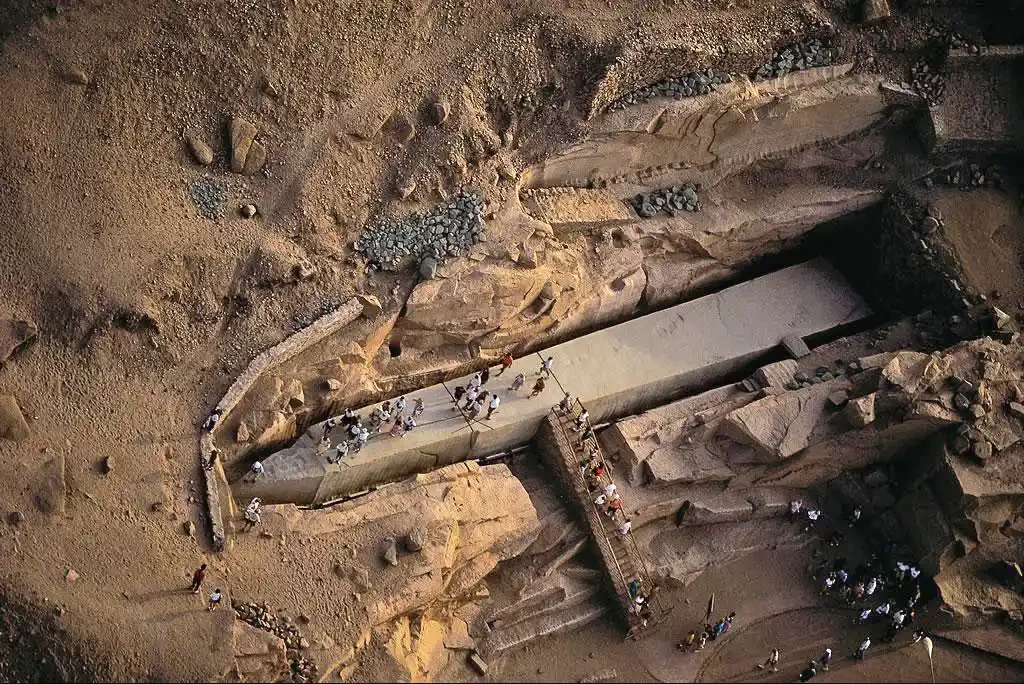
Touring the Aswan High Dam would provide an opportunity for tourists to admire the large scale of the project and its location in the unique Nile landscape. Tourists will get to enjoy seeing parts of Lake Nasser and the Nile river from the viewing locations near the High Dam. This area is unique due to the way that the Nile River, desert and the massive reservoir are located close to each other. Unlike other places like Philae Temple, the High Dam lacks the carvings that make such ancient locations attractive but its uniqueness lies in the scale and significance. The Aswan High Dam can be easily paired up with various other attractions in the city. For instance, visitors can tour the Unfinished Obelisk, visit a Nubian village, go on a felucca trip or visit Philae Temple in one visit.

.png "Partner")

.png "Partner")
.png "Partner")

.png "Partner")