Mosque of Muhammad Ali
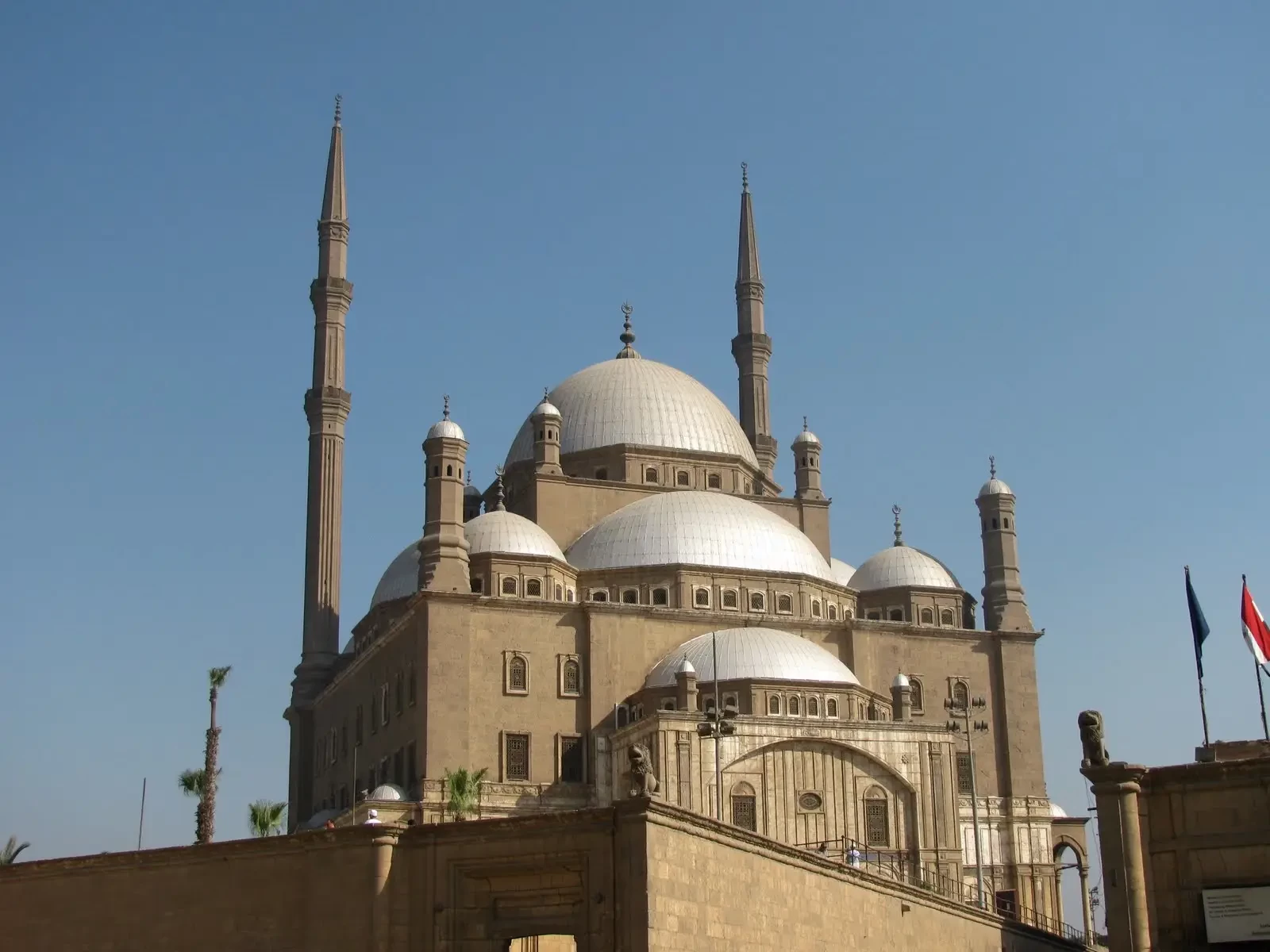
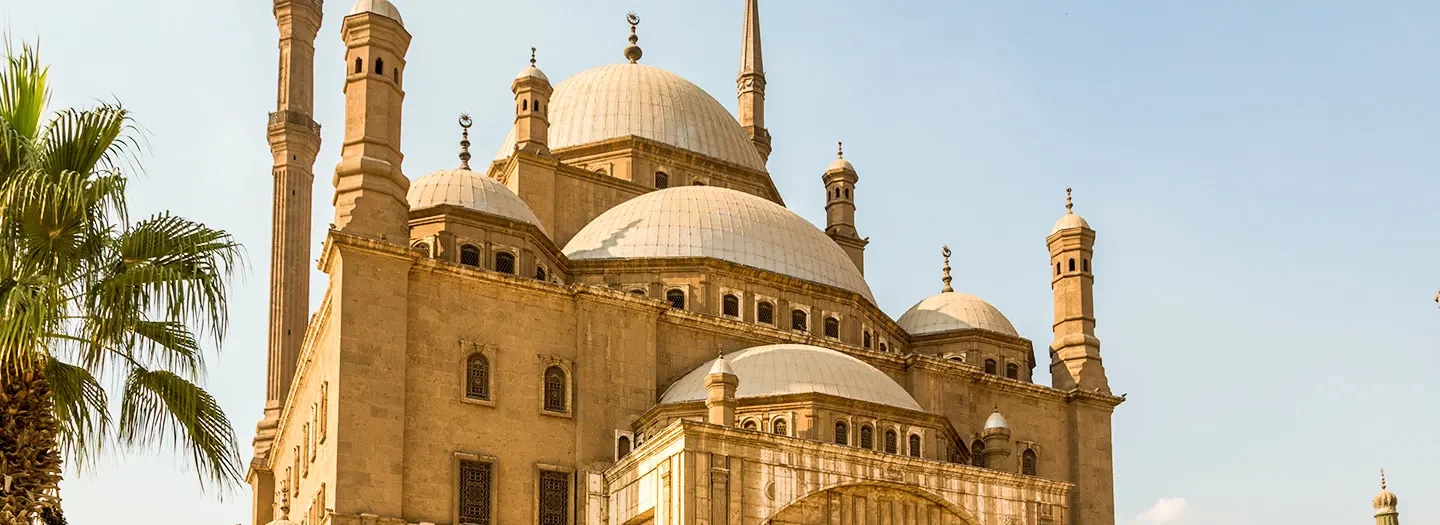
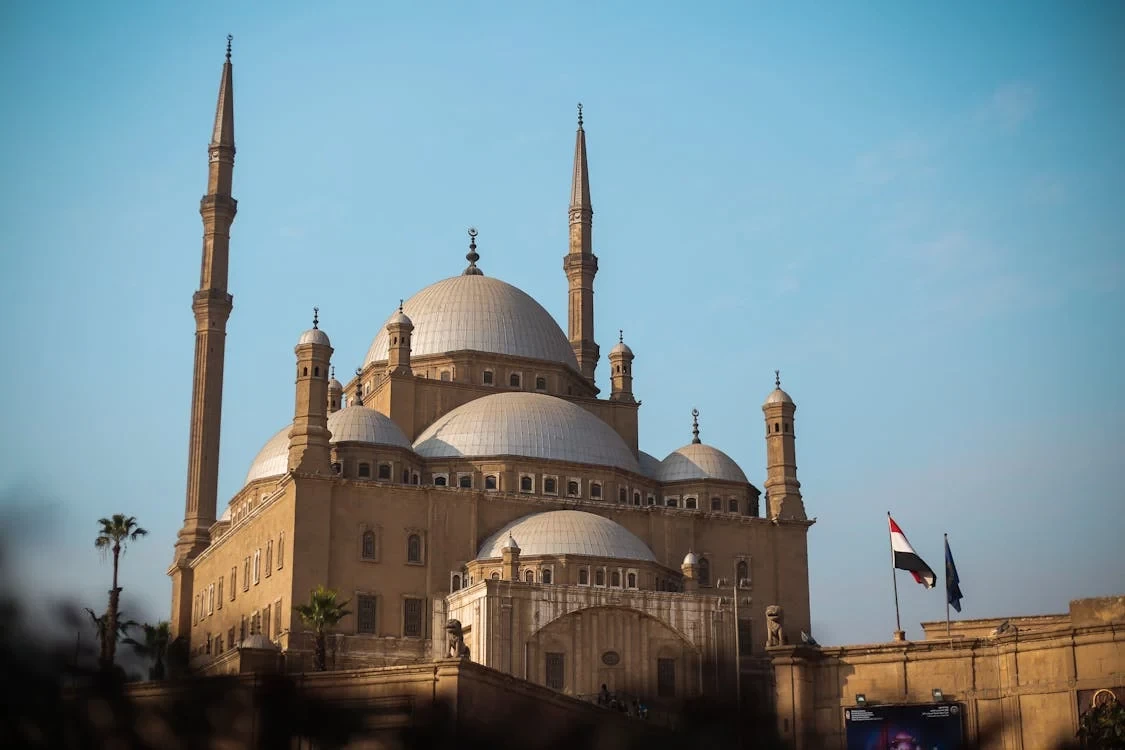
The Mosque of Muhammad Ali is one of the best-known buildings in Cairo, as it stands out clearly from inside the Citadel of Salah al-Din. This mosque is also commonly referred to as the Alabaster Mosque, as it boasts some impressive domes and minarets.
The Story Behind the Mosque
The construction of the mosque commenced in 1830 on the site where there once existed some Mamluk buildings within the Citadel complex. The commissioning of the mosque was done by Muhammad Ali Pasha and the construction took place over many years. The construction of the mosque was completed after Muhammad Ali died, and he himself was buried within this mosque.
Thus, the mosque is associated with the life story of Muhammad Ali Pasha and the development of Egypt in the 19th century. Its location within the Citadel also provides the chance to see how this structure became a part of the most historically significant complexes of Cairo.
An Ottoman-Inspired Landmark
One of the unique aspects of the Mosque of Muhammad Ali is the architectural design of the building. Unlike other historical structures in Cairo, which follow the Mamluk architecture, this mosque has been built according to the architecture principles of the Ottomans, where its design is inspired by some famous mosques of Istanbul.
The mosque’s distinctive design and historical significance make it a memorable landmark to include in Egypt Tours.
There is a central dome in the prayer room of the building, along with several other semi-domes and domed parts of the structure. Two high minarets can be seen next to the mosque structure, while the open courtyard has a marble fountain for ablutions and a clock tower.
It is the architectural feature of domes, minarets, courtyards, and decorations which distinguish the mosque among other buildings.
Why Is It Called the Alabaster Mosque?
Alabaster Mosque derives its name from the presence of alabaster and marble panels on different sections of the building. The light colored stones give the mosque a bright look especially when viewed from the outside.
In the interior, one will be able to observe the use of marble, decorations, inscriptions, and the big dome. The prayer hall will be remarkable for its spaciousness due to the combination of domes, chandeliers, arches, and decorations.
Another important section of the mosque is the courtyard. The fountain at the center of the courtyard and its arcades will contrast the enclosed prayer hall while at the same time giving visitors a better view of the architecture of the building.
The Mosque and the Cairo Citadel
Mosque of Muhammad Ali is located at a very high place in the Citadel of Saladin, which is considered one of the most important historic forts in Cairo. The Citadel sits on an elevated site and boasts many important buildings throughout Egypt’s history.
The visitor gets to enjoy a bird’s eye view of the whole city of Cairo from the surroundings of the mosque. This is because the elevated nature of the site offers one of the best vantage points that would account for the importance of the Citadel as a strategic location.
Mosque of Muhammad Ali can also be visited together with other structures like the Al-Nasir Muhammad Mosque within the Citadel.
The Mosque of Muhammad Ali is more than an architectural landmark; it offers a glimpse into Egypt’s 19th-century history and the legacy of Muhammad Ali Pasha. Its grand domes, alabaster details, and panoramic views make it a memorable stop for visitors exploring the Cairo Citadel.
Visitors can include the mosque in Cairo Day Tours alongside other historic attractions within the Citadel.