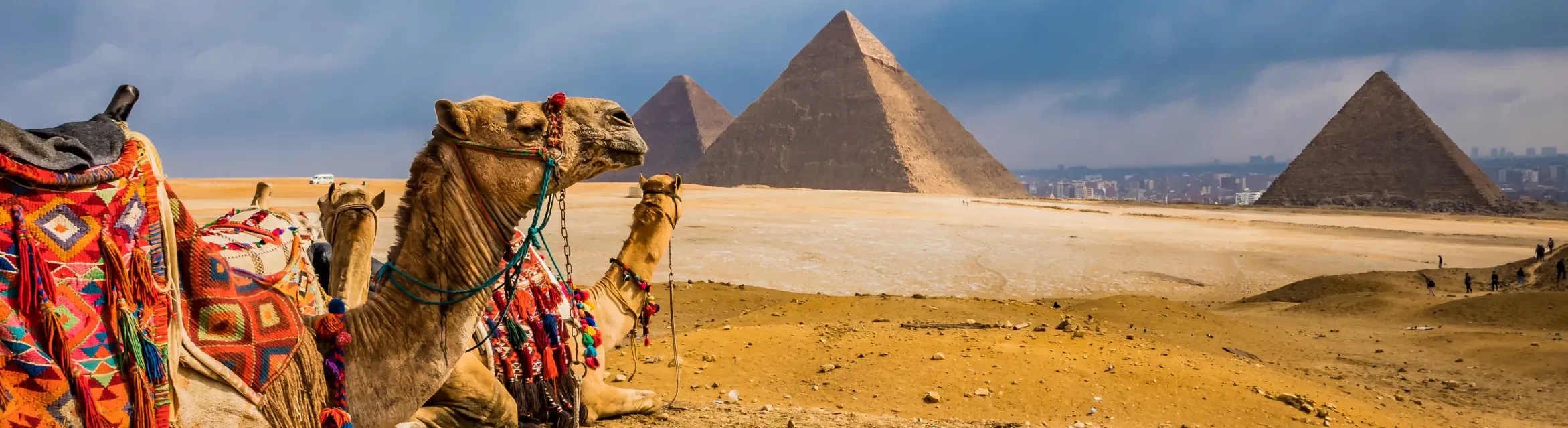
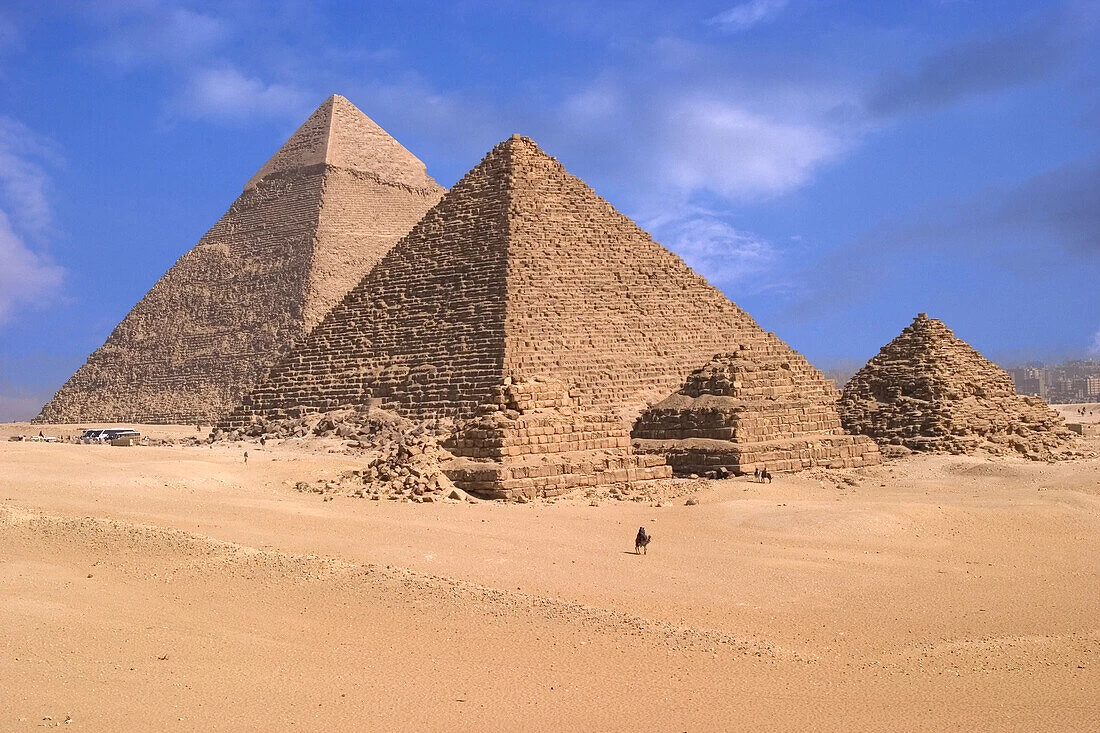
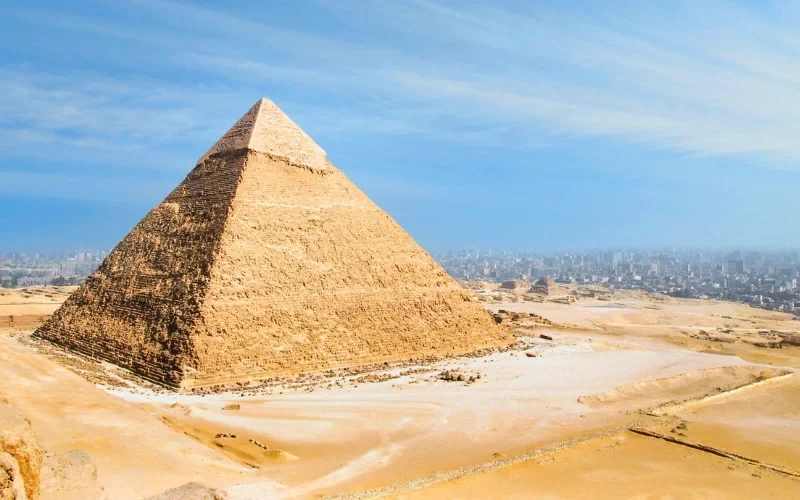
The Great Pyramid of Giza served as the tomb for Pharaoh Khufu. He ruled in Egypt during the Fourth Dynasty. Among the three main pyramids at Giza, it is both the oldest and the biggest. The other two were built for Khafre and Menkaure.
This pyramid was not meant to stand alone. It belonged to a wider funerary site. Ancient Egyptians put these sites in place to handle the burial of the king. They also used them for rites linked to life after death. Because of that, the Great Pyramid mattered beyond just being a big stone structure. It fit into the religious and royal world of ancient Egypt.
A key detail people ask about is the pyramid’s original height. Estimates suggest it reached about 146.6 meters when it was finished. Later, the outer casing stones were taken away or fell off. That loss lowered the height to around 138.5 meters today.
Another point is its square base. Each side measured about 230 meters at the start. The sheer scale helps explain why the monument still feels so striking as an ancient building.
At first, the pyramid had smooth white limestone casing stones. Those stones would have made the surface look bright and neat. Much of that outer layer was gone long ago. Even so, the main stone core still stands. Visitors can explore these remarkable details on Cairo Day Tours that include the Giza Pyramids.
The Great Pyramid of Giza: A Brief History
This story starts with Pharaoh Khufu. In Greek sources, he is often called Cheops. Khufu ruled in the Fourth Dynasty, near the end of the Old Kingdom period.
Khufu’s pyramid was his royal tomb. It was part of something bigger, not just one structure. The plan included more than one building. Planning was done before construction began. Stone had to be moved and placed in very large quantities. Many workers were needed. They had to work for years. Their tasks also had to be coordinated closely.
Today, specialists still argue about the details of how the builders worked. Even so, ancient Egyptian builders showed solid skill with basic engineering. They understood how to measure and line things up. They also handled the transport of heavy loads. Limestone blocks were brought onto the Giza Plateau. Then teams set the blocks so the four slanted faces matched the intended shape.
After many centuries, the surroundings shifted. Some stone was taken from the area. Wind and rain wore at parts of the outer surfaces. Those changes can be seen on the outside. Still, the main pyramid remains where it was.
The pyramid site also linked to other parts of the funerary complex. There were temples nearby and a causeway that ran toward the Nile Valley. These linked areas supported burial rites connected with Khufu’s death and funeral.
In modern times, the pyramid draws many visitors. Travelers who like ancient history come for the site itself. Seeing it directly gives a sense of its size that pictures do not fully capture.
How big is the Great Pyramid of Giza?
People mention it often. One reason is the base. It is very wide. The pyramid sits on a square-shaped area. A lot of stone blocks went into the build.
The pyramid was placed on the Giza Plateau. Its four outer faces point toward the main compass directions, and that detail makes it look planned from the start.
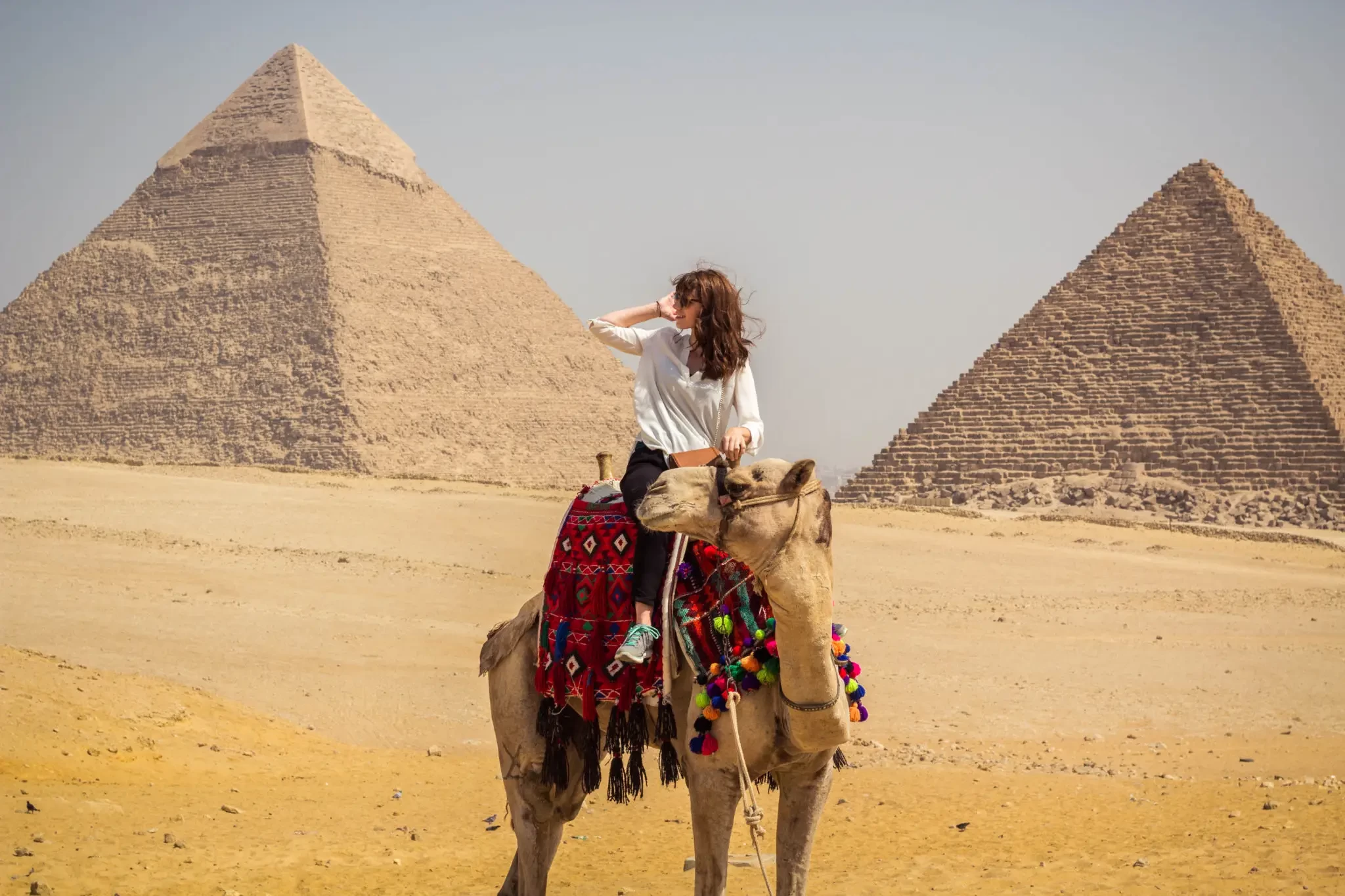
When visiting the Giza Plateau, you can also see the Pyramid of Khafre and the Pyramid of Menkaure nearby. Khafre’s pyramid can appear almost as tall as the Great Pyramid because it stands on higher ground. However, the Great Pyramid is larger overall.
Knowing this difference can make a visit more interesting because the three pyramids were built for different pharaohs but form one of the most recognizable ancient landscapes in the world.
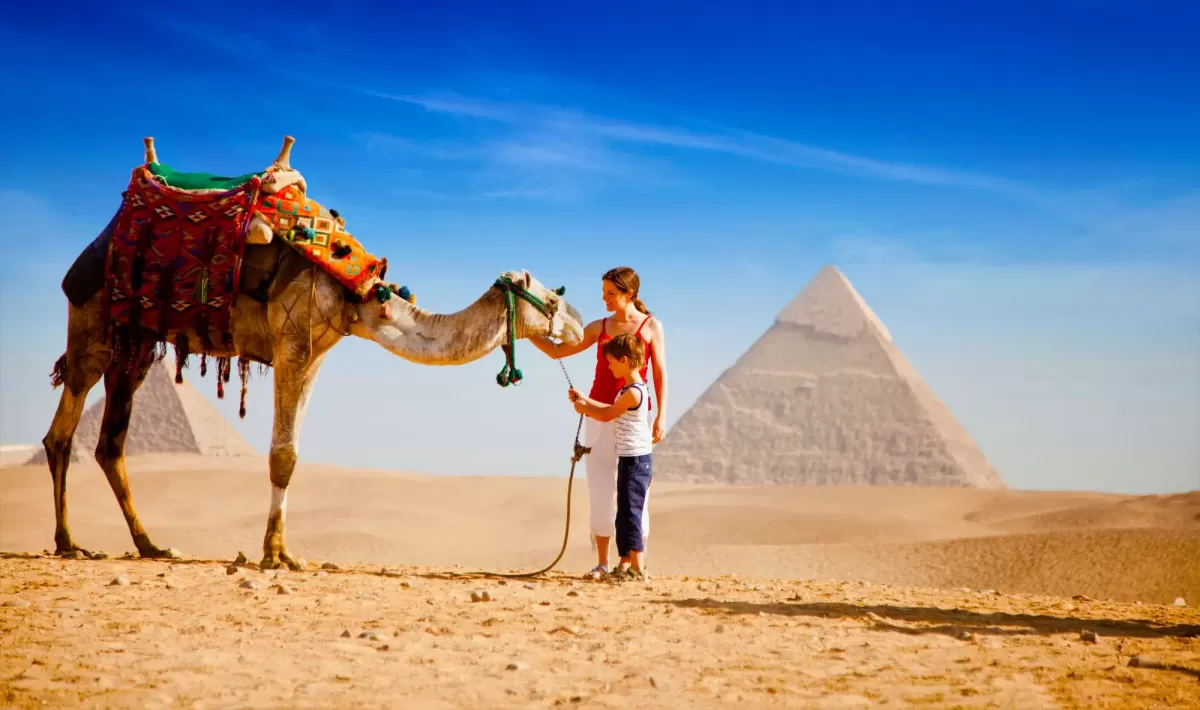
What can you see at the Great Pyramid today?
You can walk around the Great Pyramid and look at it from several angles. Many visitors also get close to the stonework so they can feel the scale. If you move onto the Giza Plateau, you can see the other pyramids and the nearby desert views too.
Inside the Great Pyramid
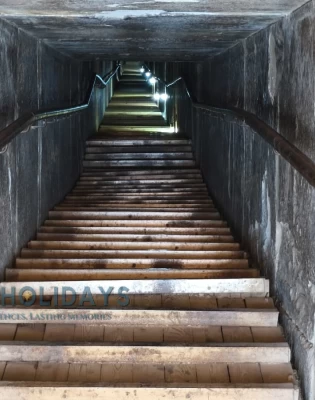
Whether you can go in depends on the current rules and the ticket you choose. When entry is open, you may be able to visit some internal sections. In that area, tight hallways lead to key rooms, including the Grand Gallery and the King’s Chamber.
This visit feels nothing like looking at the pyramid from outside. The hallways and rooms bring you nearer to the building details. They also make it easier to notice how the interior differs from the huge outer face.
Exploring the Giza Plateau
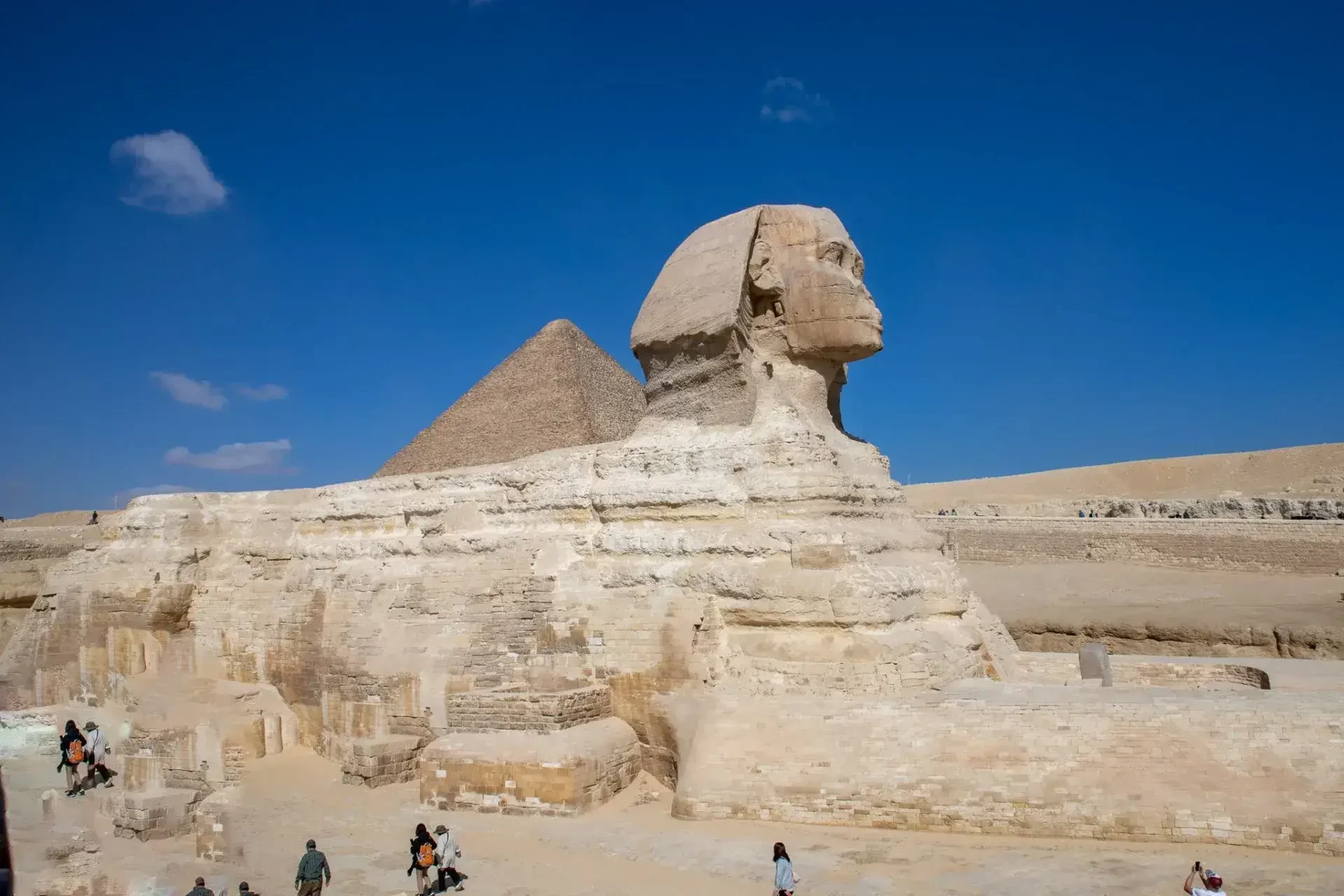
Once you have seen the Great Pyramid, you can keep walking around the Giza Plateau. The Khafre Pyramid, the Menkaure Pyramid, and the Great Sphinx are close by. Many people see them during the same trip.
The Khafre Pyramid is not the same as the Great Pyramid. They were built for different pharaohs. When people visit and look at the three pyramids separately, they often say the larger story of the Giza area feels easier to understand.
Tips for Visiting the Great Pyramid
A trip to the Great Pyramid of Giza can feel amazing, especially if it is your first visit. With a bit of planning, the day can feel calmer. You can take in the site at your own pace, instead of feeling hurried.
Tips for Visiting the Great Pyramid
Choose the Best Time
Go in the early morning if you can. The weather is often cooler then, and there are usually fewer people. In summer, that timing helps a lot because the walk across the plateau can feel exhausting.
Wear Comfortable Clothes
The Giza Plateau is outdoors, and the ground is not even. Plan on doing some walking. Use comfy shoes and light clothes that match the day’s heat. A hat and sunglasses are smart for sun protection too.
Bring Water and Guard Against the Sun
Carry a bottle of water while you are there. Sunscreen matters because there is not much shade near the pyramids. You may also want a small bag for the basics so you can move around without stress.
Check your tickets first
Before you leave, find the latest ticket info. Then read the entry rules that are posted right now. If you want to go inside the Great Pyramid, make sure you know the exact ticket you need. Also check which parts are open at this time.
Plan Nearby Sights
Make room to see the Great Sphinx and the other pyramids close by. If you sketch a simple plan for your route, it can be easier to enjoy the Giza Plateau without rushing. Rich Holidays can also help you plan your visit and combine the Great Pyramid with other highlights in Egypt.
-webp.webp)
-home-package-card-315.webp)
-home-package-card-315.webp)
-home-package-card-315.webp)


-home-package-card-315.webp)
.png "Partner")

.png "Partner")
.png "Partner")

.png "Partner")