
Luxor East and West Bank is one of the best ways to look at the old sights in Luxor. It also helps you learn about ancient Egypt. On the East Bank, people usually go to the Karnak Temple. The Luxor Temple is also there, and it is worth seeing. On the West Bank, you can visit the Valley of the Kings. You can also see the Temple of Hatshepsut. Another stop is the Colossi of Memnon.
You can also take a calm felucca trip on the Nile. Many travelers stop at the Luxor Museum too. There are more interesting sights in Luxor if you want to keep going.
To plan a visit, you can choose Luxor Day Tours. If you want more time, longer Egypt Tours can pair Luxor with Cairo, Aswan, and other well known places in Egypt.
Discover Luxor’s East and West Banks
Luxor has two sides that feel like two different worlds. The Nile cuts through the city and shapes the experience. The East Bank is linked with temples and religious life. The West Bank is tied to tombs and funeral monuments.
If you visit both spots, you can get a better feel for ancient Thebes. There are stone temples and big statues you can see up close.
You can also wander through painted tombs and other monuments. Many of them are still here after thousands of years.
On the East Bank, many people go to Karnak Temple and Luxor Temple. On the West Bank, you will find the Valley of the Kings and the Temple of Hatshepsut. Seeing both areas is a strong way to enjoy major Luxor attractions. It also helps you understand why this city mattered in ancient Egyptian times.
Explore the East Bank
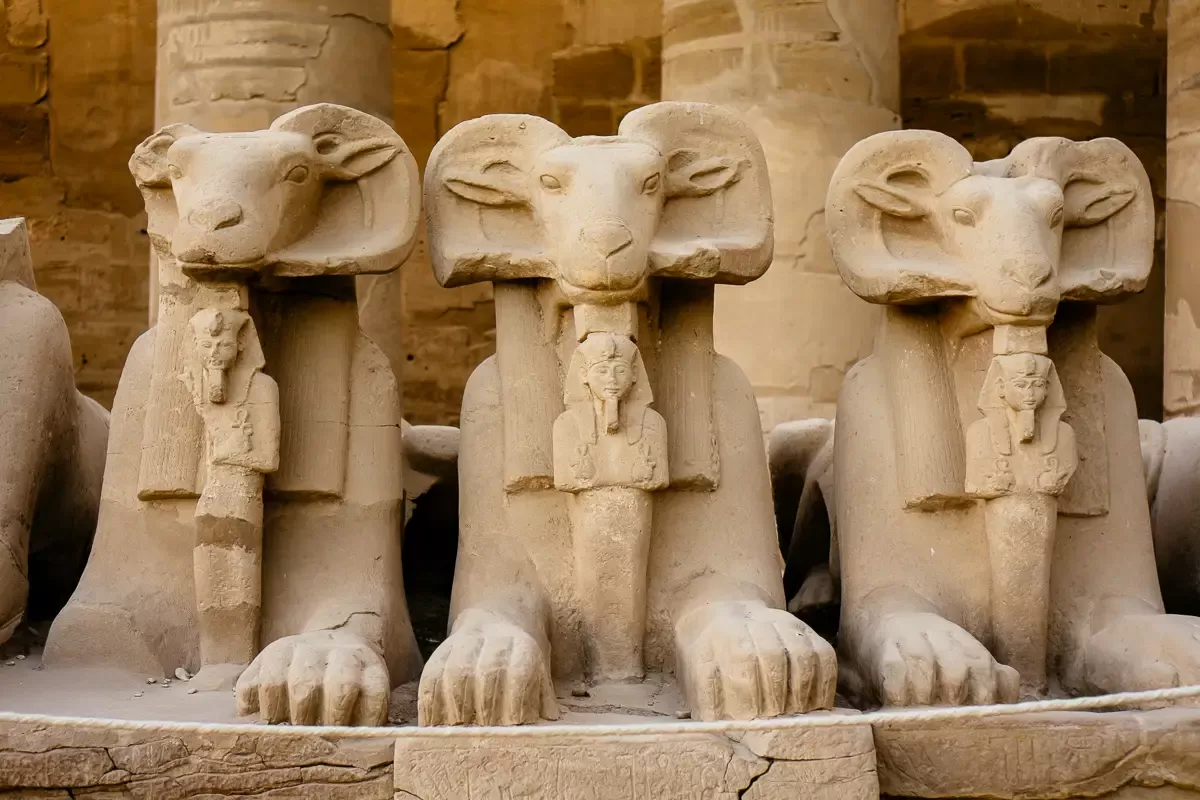
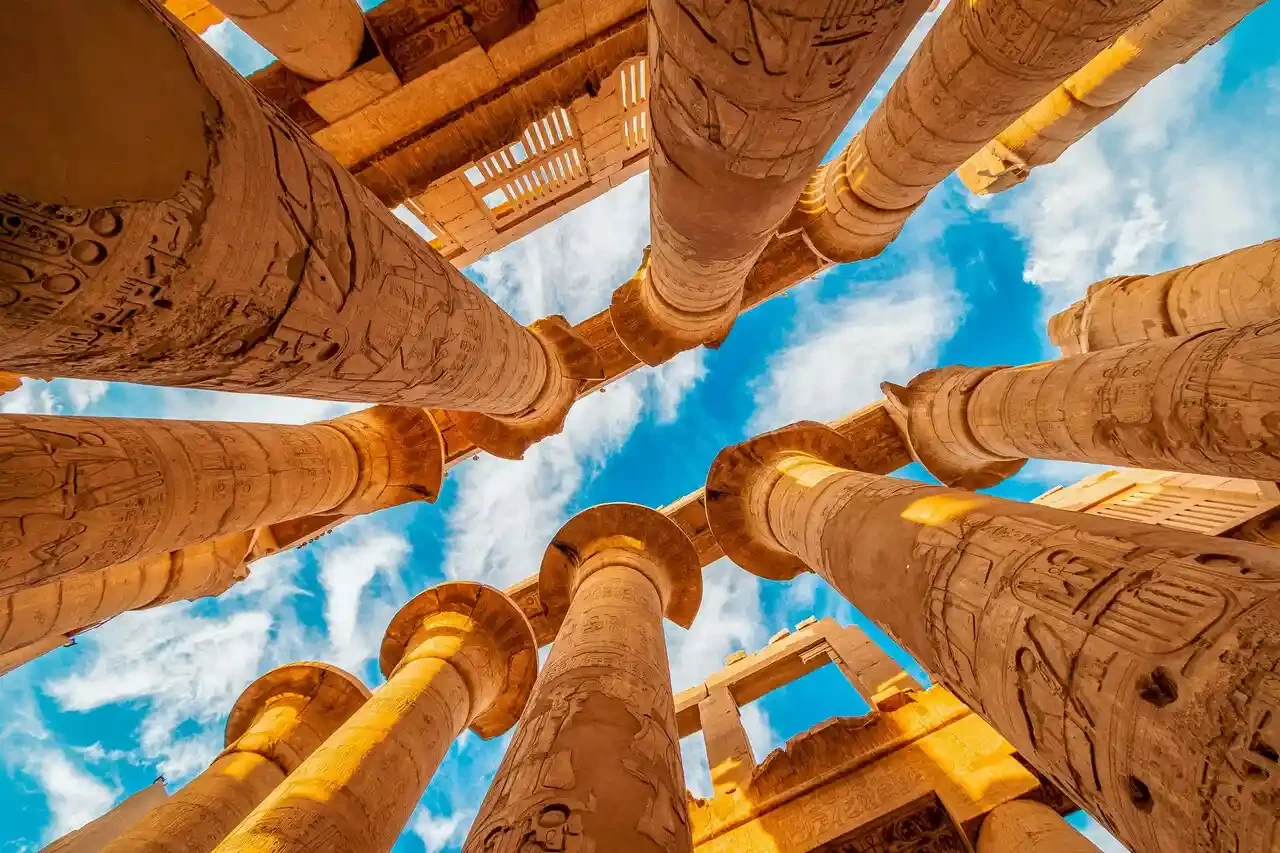
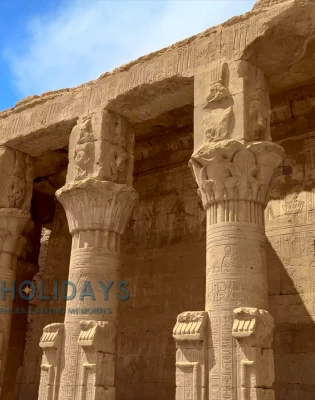
The East Bank holds several major monuments. Each one hints at how ancient Egypt shaped its religious life. Stonework, in bold forms, was built to last. Karnak Temple is the first place most people notice. You can spot thick columns and tall obelisks. Seated statues sit along the grounds. Many walls also carry tight, detailed carvings.
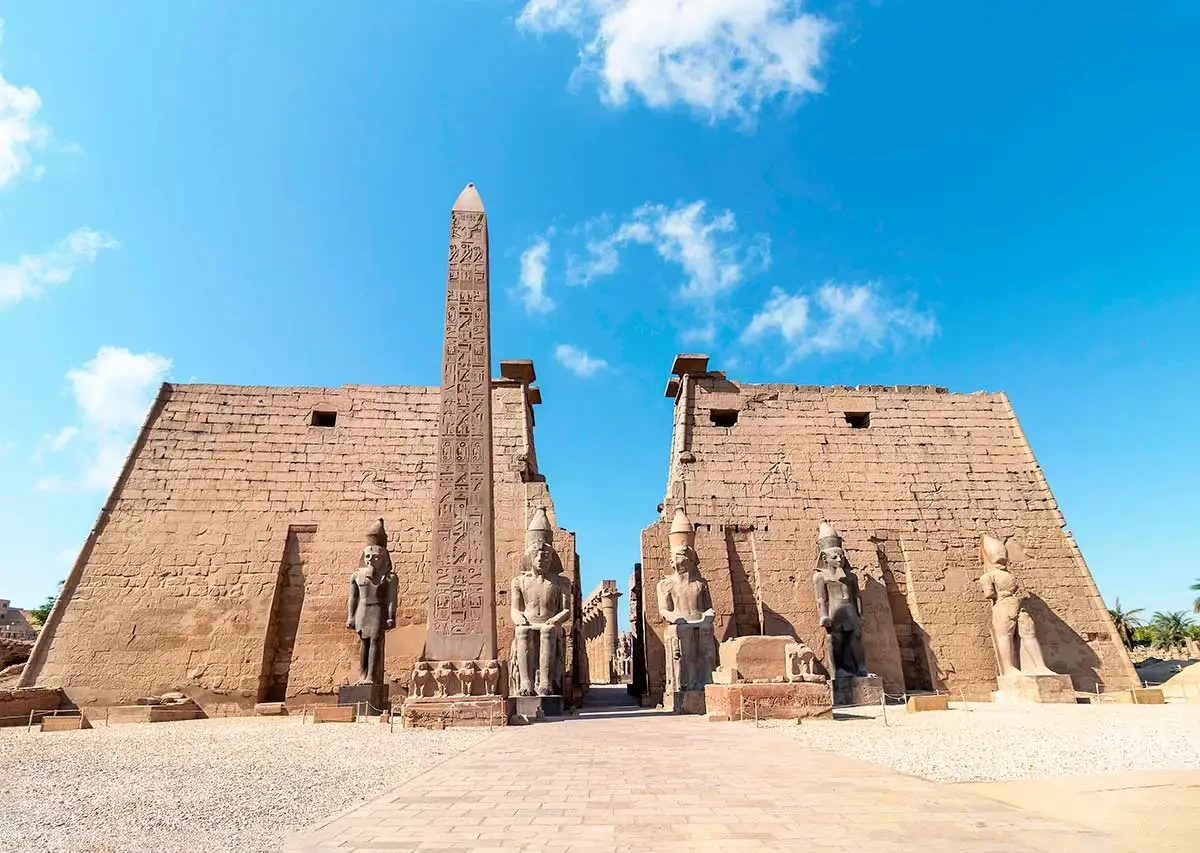
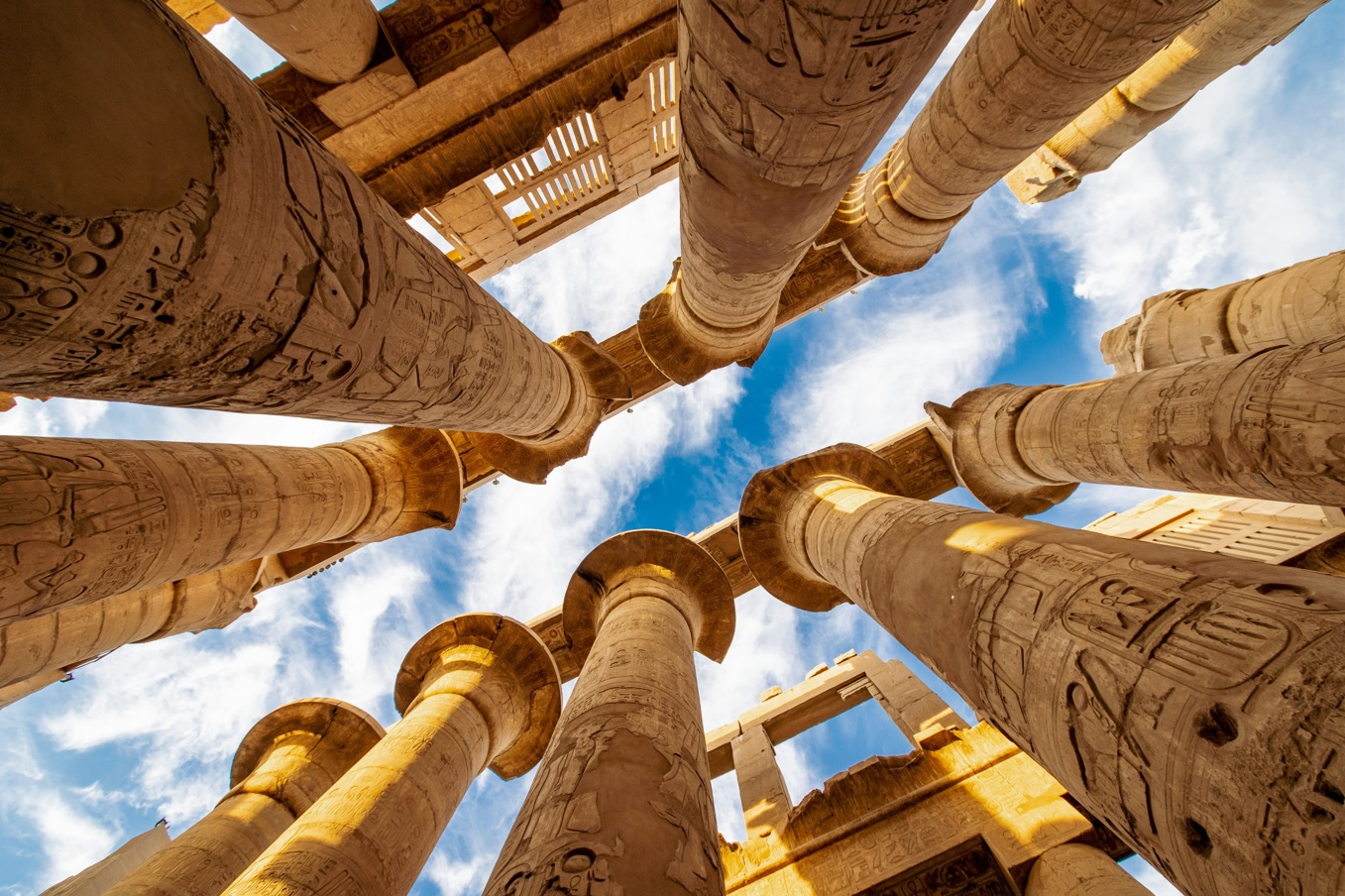
A second key site is the Great Hypostyle Hall. It seems enormous as soon as you step inside.The columns rise high and carry old inscriptions, along with religious images cut into the stone. A short distance away, Luxor Temple adds a different kind of impact. The entrance is grand, and the grounds include statues and rows of columns. It is also tied to older religious celebrations.
You can also go to the Luxor Museum. There you can view statues and other objects found near these sites. Many travelers choose to cover Karnak Temple, Luxor Temple, and the museum in one plan. Luxor Day Tours make it easier to see several key monuments and hear the story behind them. The Half Day Tour The East Bank of Luxor is a convenient option for exploring these important sites.
If you are into archaeology and ancient architecture, the East Bank belongs on your Luxor itinerary.
Discover Royal Treasures in the West Bank
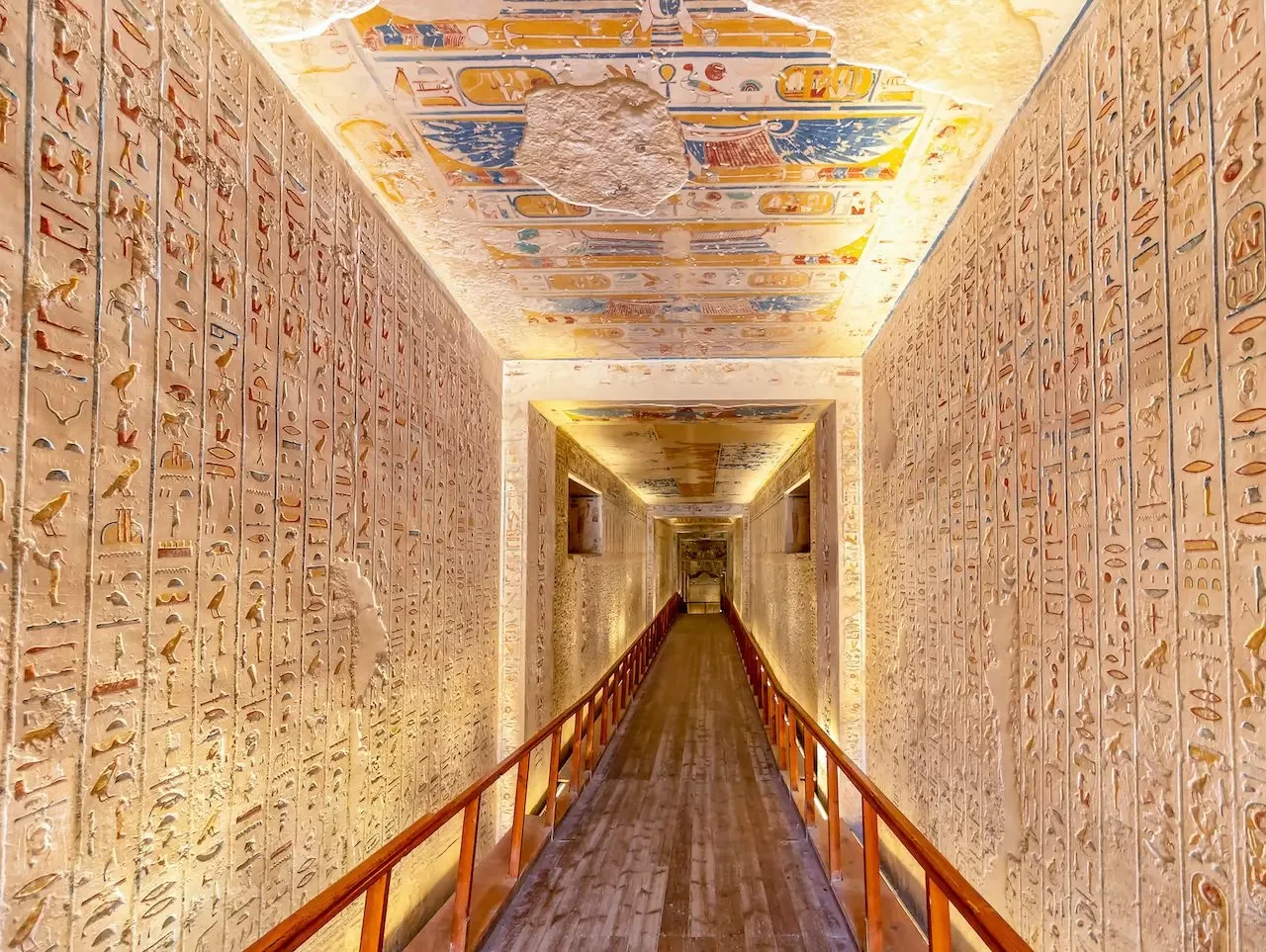
The West Bank offers a different kind of trip. It pulls you into stories of old Egyptian rulers, both kings and queens, and how people once thought about what came after death. One place stands out right away. The Valley of the Kings draws most visitors, and it is packed with underground tombs built for strong pharaohs.
Step inside and you will notice painted wall scenes. You can also read carved hieroglyphs. Many of the images show the path Egyptians believed a person took on the way to the afterlife.
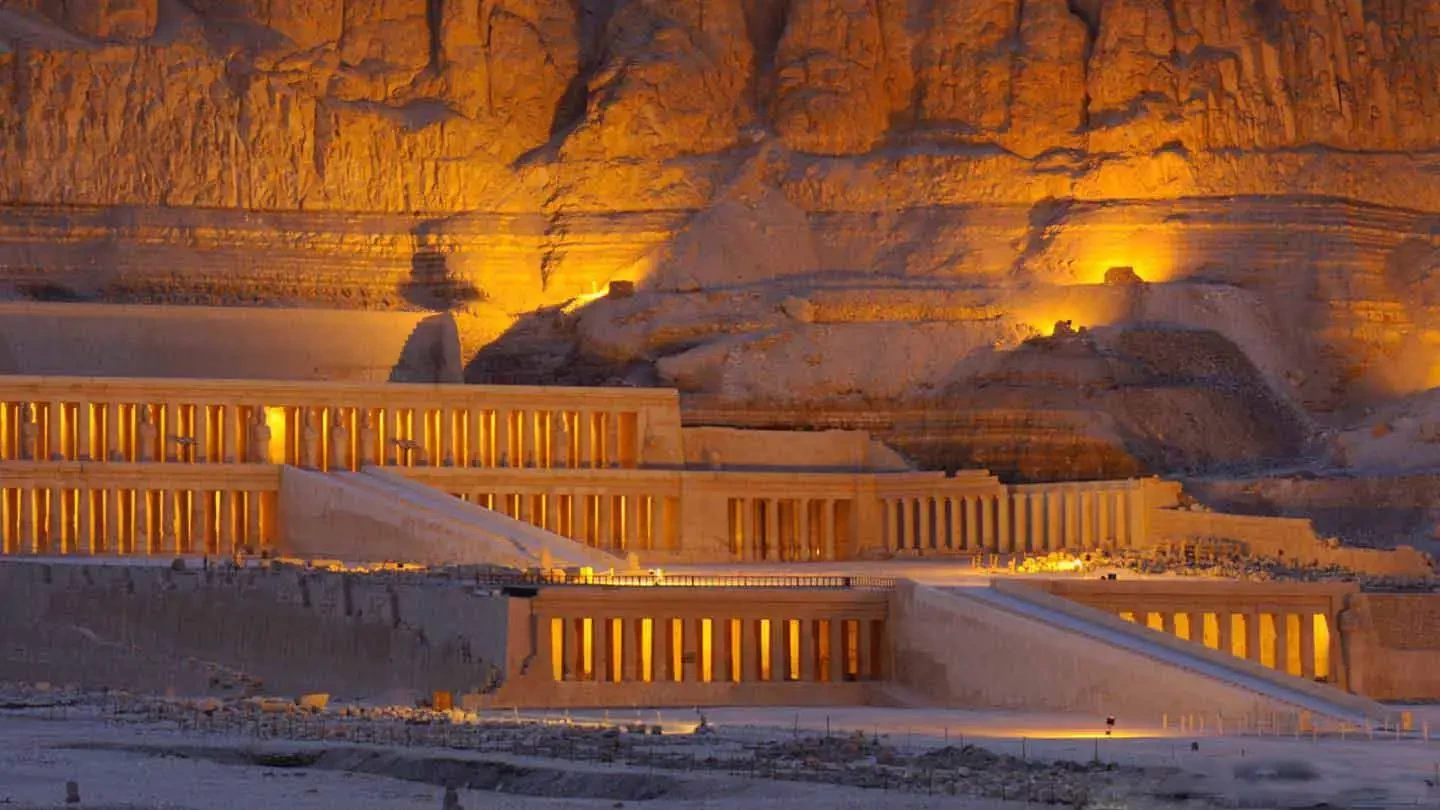
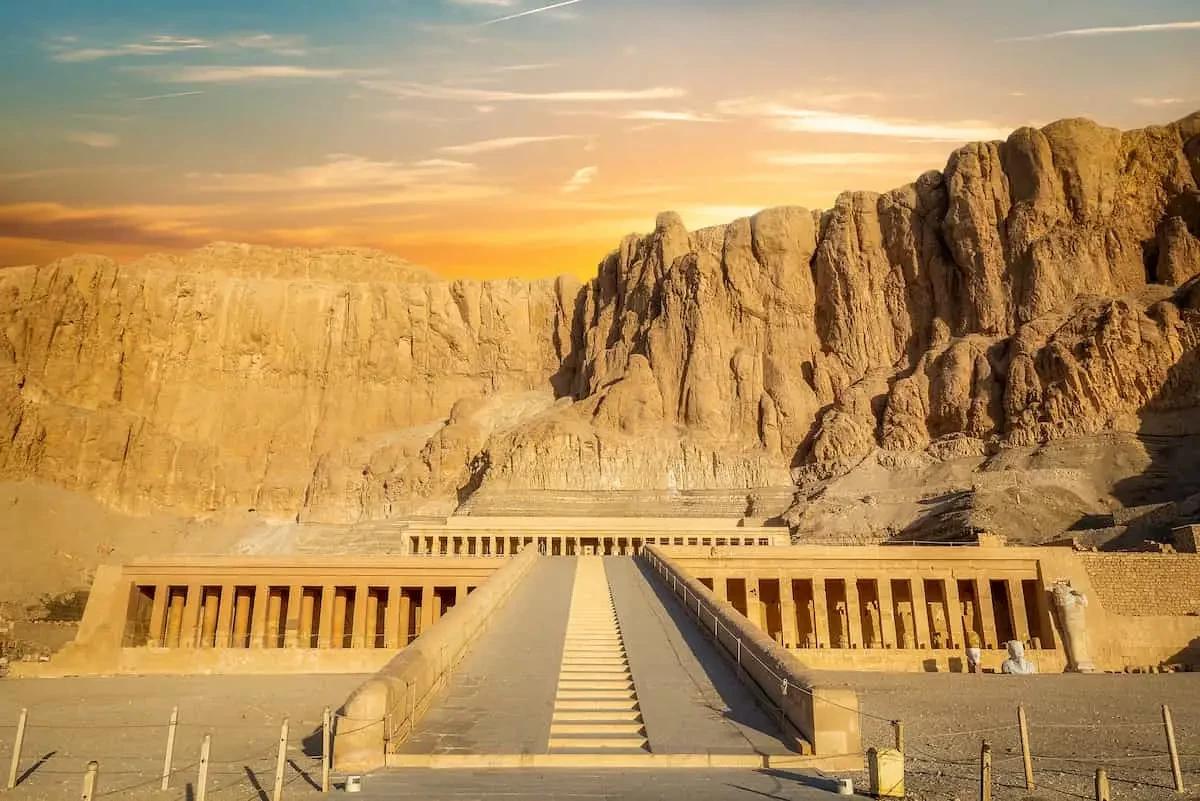
Not far away sits the Temple of Hatshepsut. It was built right against the cliffs. It is tied to one of Egypt’s well known female rulers. That monument has its own feel, separate from the tombs.
You can also take a stop at the Colossi of Memnon. These two huge statues stand out and have become a common sight on the West Bank. They are often part of the same route as the other sites.
If you still want more, look into the Valley of the Queens. You can also choose other old tombs nearby. When you add these stops to Egypt Day Tours or a planned Luxor trip, you get to see the West Bank’s special archaeological legacy.
Enjoy More Moments in Luxor Along the Nile
Seeing Luxor on both the East and West Banks can be more than just temples and tombs. The Nile itself shapes the whole feel of the city. Many visitors take a felucca sail. They do it between stops, or they just sit back and watch the river scenery drift by.
A hot-air balloon ride over the West Bank is another top pick. Up in the air, the temples and the nearby villages seem much closer than you expect. From there you can also see open fields, wide farmland areas, and the Nile Valley far off in the distance.
There is more to do on the ground too. Guests often browse local markets and try classic Egyptian food. Some people also spend time on the newer side of Luxor, beyond the usual sights. These options can be built into Luxor Day Tours, so the day feels fuller and more balanced. Together, they create a memorable ancient Egypt sightseeing experience and offer some of the best Things to Do in Luxor.
If you have extra hours, you can also go to the Luxor Museum. Or you can add more archaeological spots. That way, you see a wider mix of Luxor attractions, and you still get to enjoy the calm mood of the Nile.
Include Luxor in Your Egypt Trips
The Luxor East and West Bank is a key stop in Egypt. It brings together old temples, royal tombs, local activities, and calm views along the Nile. Many trips start on the East Bank. From there, visitors go to Karnak Temple and Luxor Temple.
After that, travelers cross to the West Bank. They often see the Valley of the Kings. They may also visit the Temple of Hatshepsut. Another common site is the Colossi of Memnon.
Some days feel better with extra options. You can take a felucca ride. A hot-air balloon flight is also popular. Many people also plan a stop at the Luxor Museum.
Luxor is easy to fit into a schedule. You can book Luxor Day Tours. You can also add Luxor to longer Egypt Tours that link Cairo, Luxor and Aswan.
Walking through both sides of the Nile helps people connect with the past. The monuments and long history leave a strong impression. It is a real chance to learn more about ancient Egypt.
-home-package-card-315.webp)
-home-package-card-315.webp)
-home-package-card-315.webp)
-home-package-card-315.webp)
-home-package-card-315.webp)
.png "Partner")

.png "Partner")
.png "Partner")

.png "Partner")