Gebel Silsila: History and Top Attractions in Egypt
Gebel Silsila is one of Egypt's archaeological sites, famous for its old sandstone quarries, carved rock temples and writings along the Nile. Located between Aswan and Edfu, this ancient site shows how ancient Egyptians took stone and moved it to build some of the country's well-known temples. For people who like Aswan attractions, Gebel Silsila looks at ancient Egyptian history that is not just about visiting temples. This guide talks about where the site is, why it matters, its main monuments and practical advice for visiting with Rich Holidays.
Where is Gebel Silsileh in Egypt?
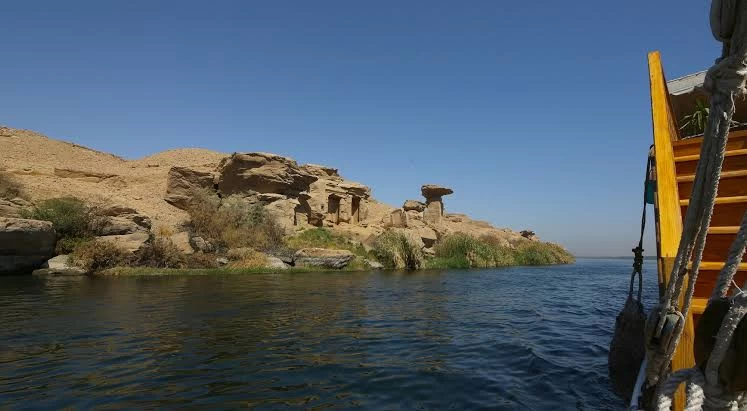
Gebel Silsila is a site in Upper Egypt situated along the Nile between Edfu and Kom Ombo, north of Aswan. The river narrows between sandstone cliffs creating a distinctive landscape that made the area important for quarrying and river transport in ancient times.
The site extends along both banks of the Nile with many of its known monuments located on the western bank. Its position allowed ancient workers to move sandstone blocks by river to construction sites throughout Egypt.
Travelers exploring Aswan Attractions can consider adding Gebel Silsila to an Upper Egypt itinerary. The site is particularly relevant to visitors interested in ancient engineering, archaeology and the history behind Egypt's monumental temples.
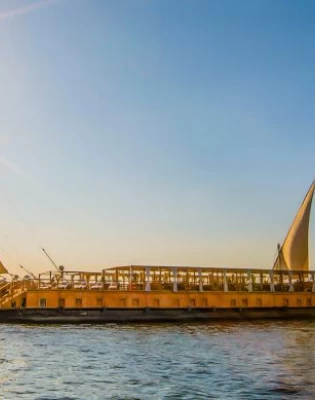
Gebel Silsila can be visited as a stop on Nile cruises especially traditional dahabiya journeys that allow time for smaller archaeological sites. Private transport from the surrounding area may also be possible depending on access arrangements. Travelers should confirm the route and site access before departure.
What Is the History of Gebel Silsila?
The history of Gebel Silsila's sandstone quarries goes back to the Middle Kingdom. Quarrying at Gebel Silsila continued through later periods and into modern times. More than a hundred quarries have been identified at Gebel Silsila making Gebel Silsila one of Egypt's most important historic sandstone extraction sites.
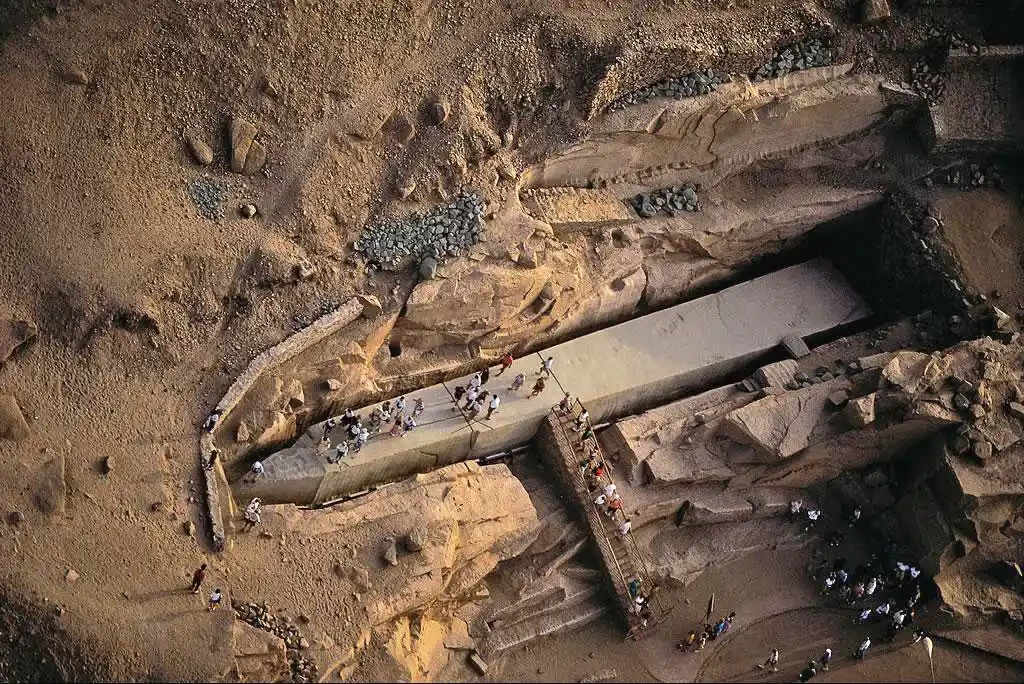
Ancient Egyptians took sandstone from Gebel Silsila to build monuments and temples across the Nile Valley. The remains of quarry faces, tool marks and workers' inscriptions at Gebel Silsila show the techniques used to cut and prepare stone before it was carried by river.
The site also had religious importance. The sanctuaries and inscriptions at Gebel Silsila show worship of ancient Egyptian gods, including Sobek, the crocodile god linked to the Nile. These religious remains prove that Gebel Silsila was more than a quarrying center; Gebel Silsila was also a place of worship and commemoration.
The mix of quarries, inscriptions and religious monuments makes the history of Gebel Silsila especially valuable, for understanding how ancient Egyptian construction, religion and river transport were connected. Visitors can see traces of the work that helped supply stone for some of the country’s important architectural achievements.
What Are the Best Things to See at Gebel Silsila?
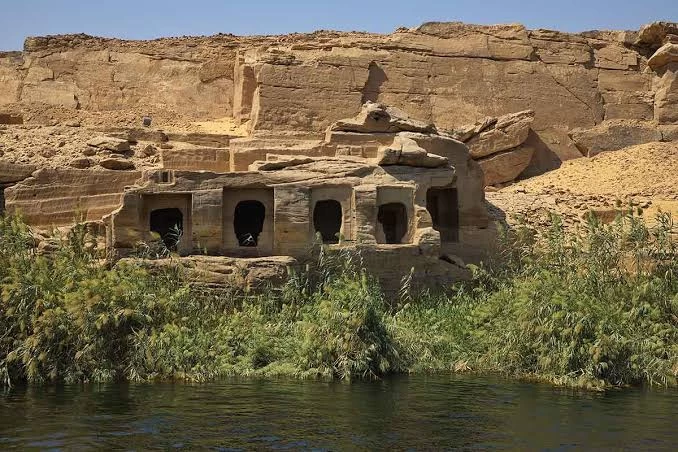
The main attractions at Gebel Silsila are its quarries, rock‑cut sanctuaries, royal inscriptions and monuments carved into the sandstone cliffs. Each of these gives a view of Gebel Silsila’s history and religion.
Speos of Horemheb: is a temple from the time of Pharaoh Horemheb in the late Eighteenth Dynasty. It is dedicated to seven gods and the sanctuary holds statues and carved details that show how important the site was for religion at Gebel Silsila.
Ancient Sandstone Quarries: at Gebel Silsila are among the unique parts of the site. Tourists can see rock faces and marks left by ancient stonecutters, which help them learn how sandstone blocks were taken for building temples at Gebel Silsila.
Rock‑Cut Chapels: On the cliffs of Gebel Silsila there are about 32 rock‑cut chapels linked to high officials of the New Kingdom. Many of these chapels date back to the times of Hatshepsut and Thutmose III. They give us a look at the lives and memorials of people in ancient Egyptian society.
Royal Stelae and Inscriptions: shrines and carved inscriptions in the rocks record events and history at Gebel Silsila. Monuments linked to Seti I, Ramesses II and Merneptah make the site more important for archaeology.
Together, all these landmarks make Gebel Silsila a fascinating place for travelers who want to see sites close to Aswan and learn more, about ancient Egypt beyond the famous temples.
How to Visit Gebel Silsila: Best Time and Travel Tips
Planning a visit to Gebel Silsila in Egypt requires some preparation because access can depend on the chosen route and the arrangements available at the site.
Best Way to Reach Gebel Silsila
One of the appealing ways to visit is by traditional dahabiya or another suitable Nile cruise that includes a stop at the archaeological site. A land-based visit may also be possible from the surrounding area. Travelers should confirm current road access and arrangements with a local operator.
Visitors planning Aswan Day Tours should check whether Gebel Silsila can be incorporated into their itinerary as it is outside the cluster of attractions within Aswan city.
Best Time to Visit
The months generally from October to March are often more comfortable for exploring outdoor archaeological sites in Upper Egypt. During warmer months, an early visit can help reduce exposure to the midday heat.
Opening Hours and Tickets
Opening hours and admission prices can change. Check the Egyptian Ministry of Tourism and Antiquities website before your visit for the latest information and confirm access arrangements with your tour provider.
What to Bring
Wear walking shoes carry drinking water and bring sun protection, including a hat and sunscreen. A knowledgeable Egyptologist guide can also help explain the inscriptions, quarrying methods and religious monuments.
For travelers interested in archaeology and Nile landscapes Gebel Silsila offers an addition to an Upper Egypt journey. Rich Holidays can be a starting point for planning an Egypt itinerary that combines sites, with the wider Aswan Attractions and the Nile Valley.