Cleopatra’s Spring: Discover the Legendary Oasis Pool of Siwa
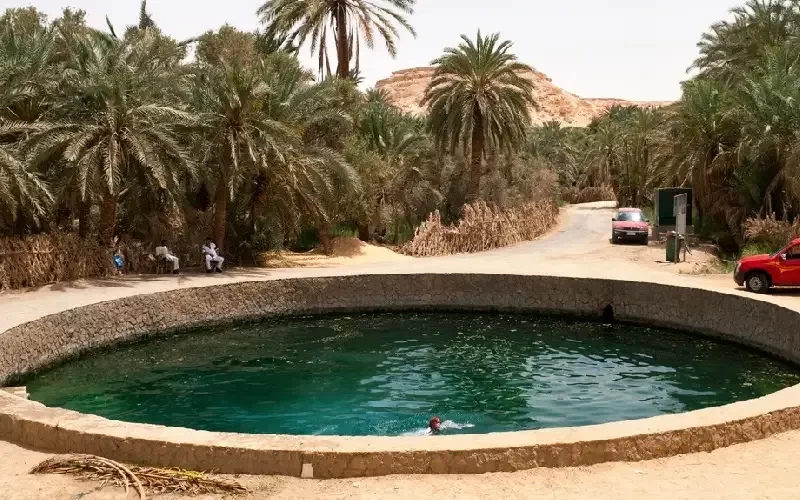
Cleopatra’s Spring is one of the most memorable natural landmarks in Siwa Oasis, offering visitors a refreshing pool surrounded by palm trees and the peaceful scenery of Egypt’s Western Desert. Known locally by names including Cleopatra’s Bath, this popular spring combines natural beauty, local traditions, and a fascinating royal legend. It is also a wonderful destination to include in Egypt tours, offering travelers a unique opportunity to discover Siwa’s natural charm and cultural heritage.
The History and Legend Behind Cleopatra’s Spring
The Spring of Cleopatra, or Cleopatra’s Bath, is a natural pool situated in Siwa Oasis in the Western Desert of Egypt. This water site is strongly connected with the name of the well-known queen of ancient Egypt – Cleopatra VII, which gives this tranquil destination an element of mystery.
It is believed that Cleopatra took a bath at the spring during her stay in Egypt. Nevertheless, there is no factual proof that confirms that she really visited the spring. The popularity of this spring is associated with both local legends and Siwa’s rich culture as an important oasis.
In addition to the legend about Cleopatra, the spring is a symbol of the role that water plays in desert communities. For many years, water has played a vital role in the lives of the people who lived in Siwa – it was necessary for their survival and agriculture as well as for the formation of unique culture.
What to Expect When Visiting Cleopatra’s Spring
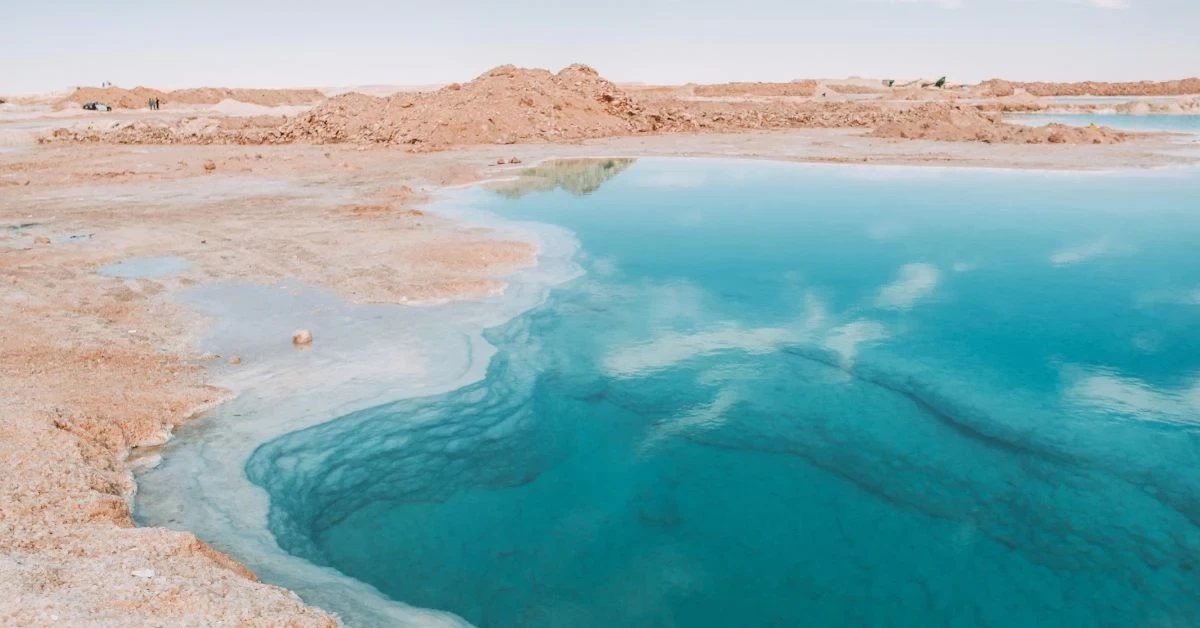
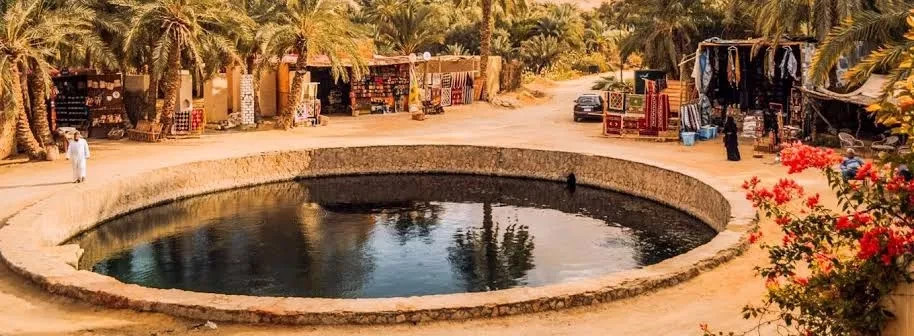
Cleopatra’s Spring presents a unique opportunity to break away from the arid surroundings of Siwa. The round-shaped and stonelined spring is fed by a spring of water that rises from under the surface, with palm trees providing the perfect picture.
People usually come to this place to swim, rest near the spring, or drink something at the nearby cafe. The mood is rather informal; that is why the spring is a good place to visit after visiting other archaeological monuments or traveling around the desert near Siwa.
Unlike the traditional museum or archaeological monument, the spring gives the opportunity to immerse yourself into the natural surroundings. You can spend your time admiring the nature and oasis.
If you want to swim, take the towel, dry clothes, and proper footwear with you. Take into account local traditions and wear appropriate clothes while swimming. If you want to take pictures of local people, ask their permission before doing so.
Top Attractions to Visit Near Cleopatra’s Spring
There are many interesting historical sites located close to Cleopatra’s Spring, enabling you to visit some historical sights while taking a break from your hectic everyday life in Siwa.
To start with, one can go to the Temple of the Oracle of Amun, where one can see the remnants of an old religious complex related to Alexander the Great’s presence in Siwa.
Another place to visit is the Temple of Umm Ubeida, featuring some ruins of an old temple of Amun. Moreover, one can visit the Shali Fortress, the core of Siwa town, built of traditional buildings made of local materials.
As an alternative, one may go to the Mountain of the Dead, featuring rock-cut tombs showing burial practices of the area.
In summary, these are some interesting places worth visiting to know more about Siwa and its history. Combining these places with Cleopatra’s Spring will make a great itinerary.
The Cultural Significance of Cleopatra’s Bath
The Cleopatra’s Spring is not only a place of nature where you can take a bath but an integral element of the culture of the Siwa Oasis region. Generations of people used natural springs as a source of drinking and irrigation water in this remote oasis in Egypt desert safari. Nowadays, the Cleopatra’s Bath is still a place of congregation where tourists can immerse themselves into the oasis culture and get acquainted with unique legends associated with this place. Visiting the spring will allow you to learn about the cultural heritage of Egypt’s Western Desert.