El Kharga Oasis: History, Attractions & Travel Guide
El Kharga Oasis is one of Egypt’s most fascinating destinations, offering a remarkable combination of ancient history, desert landscapes, and traditional Egyptian culture. Located in the Western Desert, this historic oasis has served as an important settlement and travel route for centuries. Today, it attracts visitors interested in archaeological sites, peaceful natural surroundings, and experiences beyond Egypt’s famous Nile Valley attractions.
Where Is El Kharga Oasis Located?
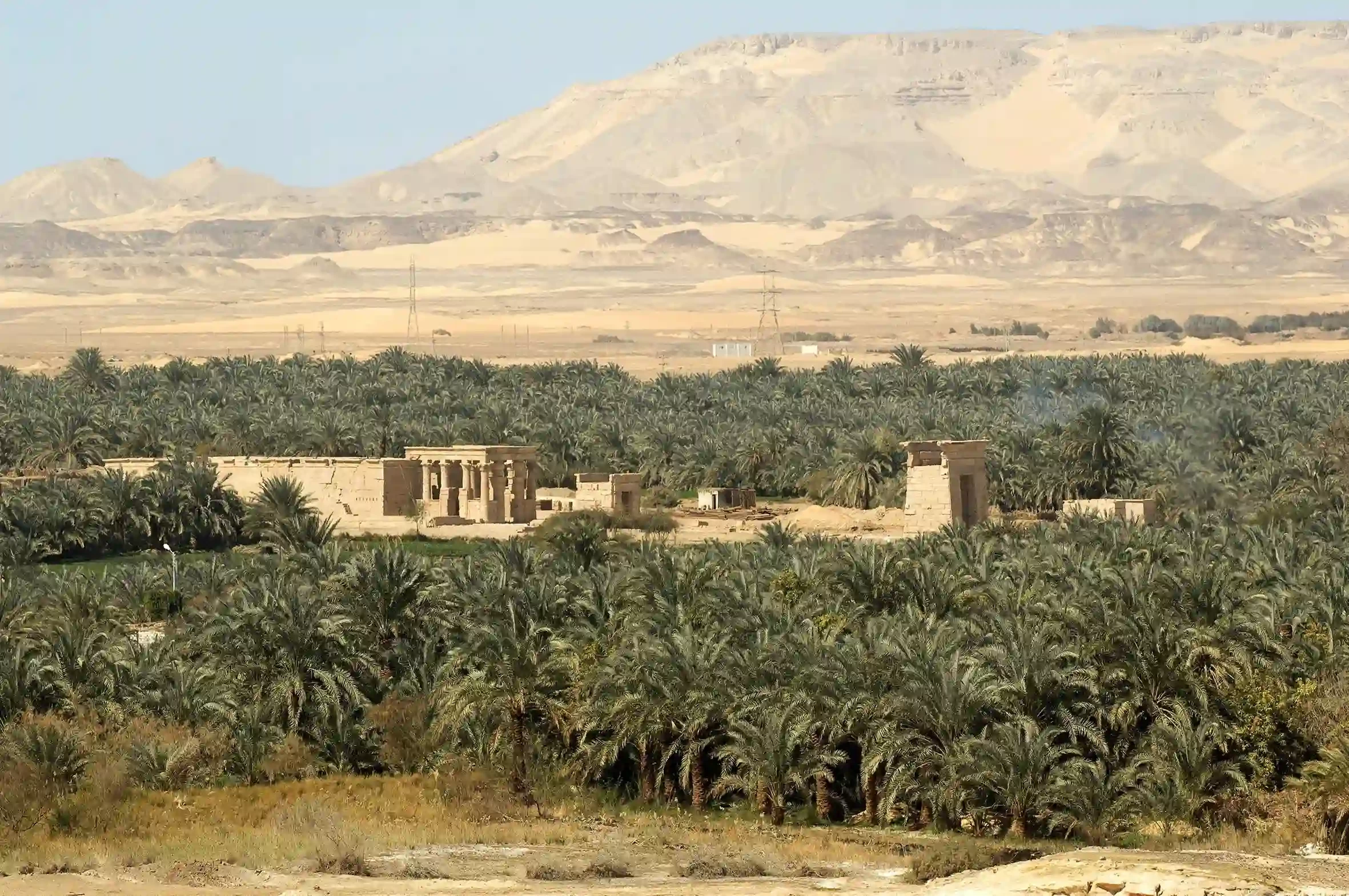
El Kharga Oasis is located in Egypt’s Western Desert, and it is the largest oasis on the road that links Egypt’s western oases. It falls under New Valley Governorate and is located to the west of the Nile Valley in vast desert surroundings. Although El Kharga is far off from everything, there has always been a connection of the oasis through roads that have linked it with other regions of Africa from the Nile. Nowadays, it acts as the center of a region with settlements, farm lands, local market places, and tourist facilities. Because of its location, El Kharga can be a fascinating place to visit for tourists who want to see another side of Egypt away from Cairo, Luxor, and Aswan. Tourists can tour the town, find archaeological remains in its proximity, and enjoy the difference between cultivated areas and the desert. Any researcher working on El Kharga Oasis of Egypt should note its geographical location, especially when planning Egypt tours that explore the country's lesser-known destinations.
The Fascinating History of El Kharga Oasis
El Kharga Oasis has a long history that spans thousands of years, as it depicts the different civilizations of Egypt as well as different aspects of the economy and religion of Egypt. The archaeological findings suggest a prehistoric era settlement of people in the region, while the ancient settlements as well as the presence of religious sites give an indication of the importance of the area in the later times. Kharga became a significant stopover for the caravans that moved from the Nile Valley to the south of Egypt. With the passage of time, the oasis was transformed into religious sites as well as agricultural farms, and even fortified towns were built in the periods of Persians, Ptolemies, Romans, and Byzantines. This tells about the adaptation of people living in the region to make good use of the limited water resources in the desert areas. Another religion that left its influence on the area is Christianity, with its historical cemeteries and religious places.
Top Attractions in El Kharga Oasis
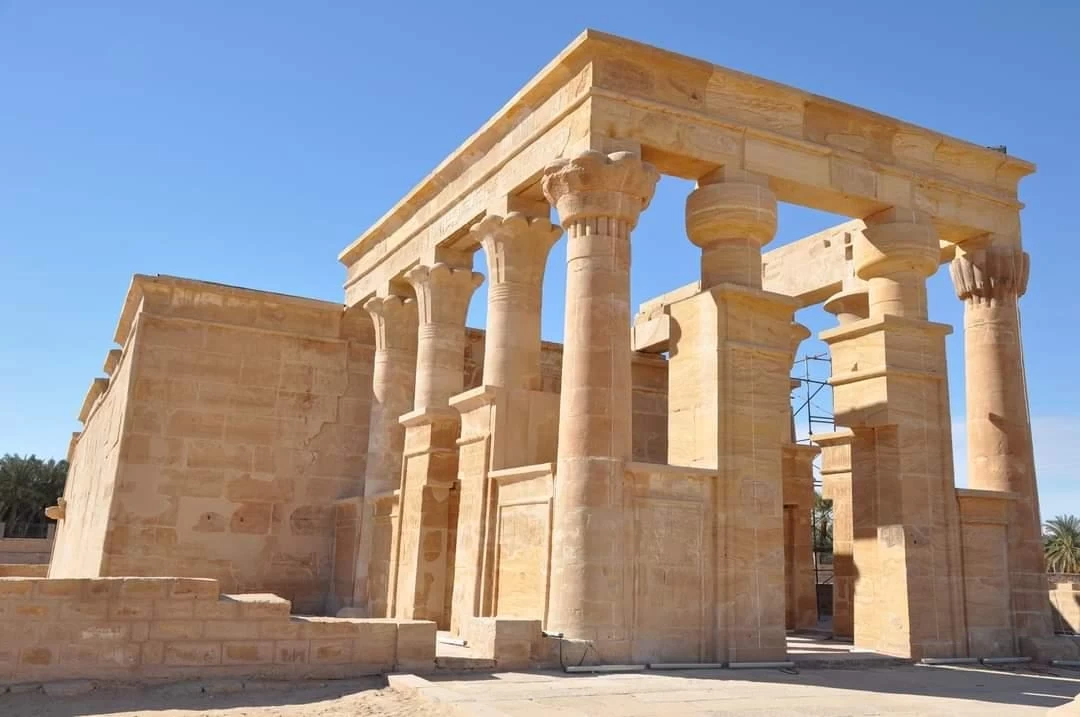
The Kharga Oasis is rich in several historical places which make it interesting for tourists interested in culture and history. Among the most prominent historical sites are the Temple of Hibis with religious buildings corresponding to different epochs of the Egyptian history. The Bagawat Necropolis is another interesting place which was used as an early Christian burial site including unique mud-brick funerary chapels and paintings. Tourists will also have a chance to visit Qasr al-Ghueita, which is an ancient temple complex reflecting the religious tradition of the region, and Qasr al-Zayyan which is a sanctuary of Amun-Hibis. These historical places illustrate the influence of the traditions of Egyptians, Persians, Greco-Romans, and Christians on the development of the oasis. In addition to the above-listed places, the New Valley Museum will give a visitor an opportunity to learn more about the history and cultural development of the region.
Nature, Culture, and Local Life in El Kharga
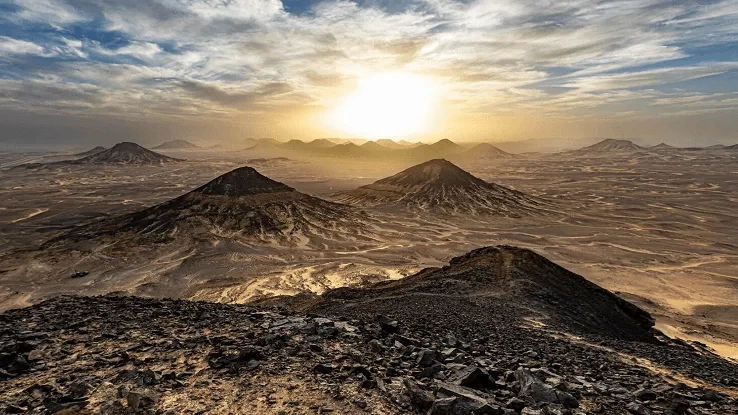
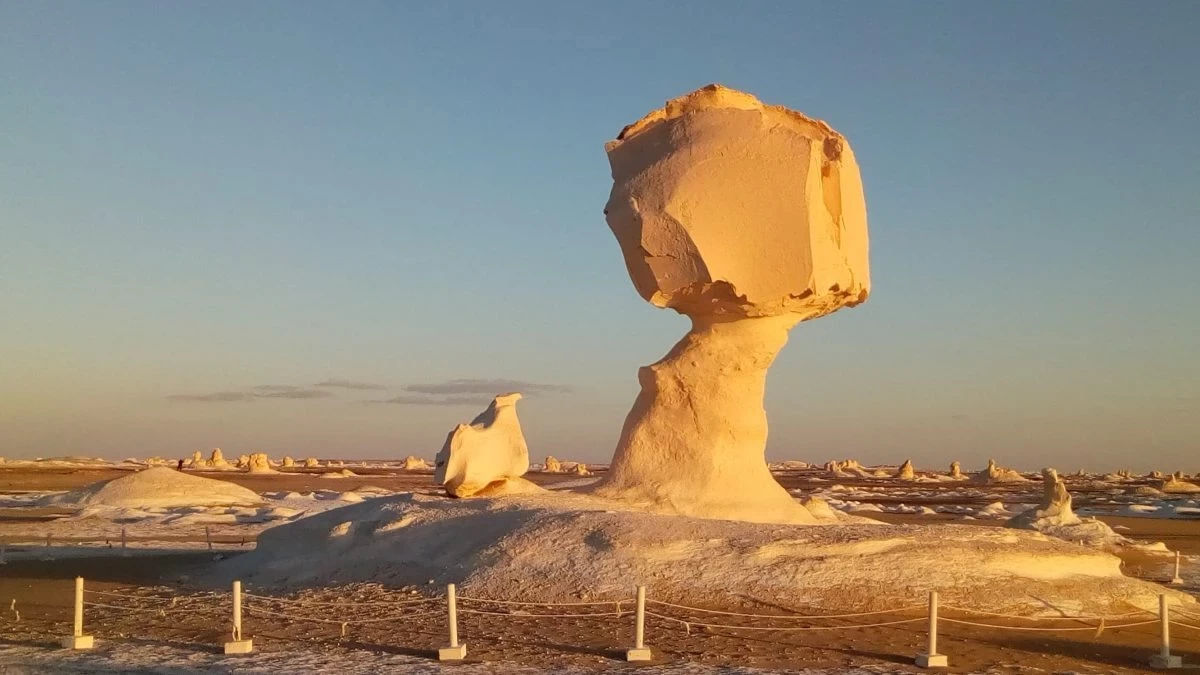
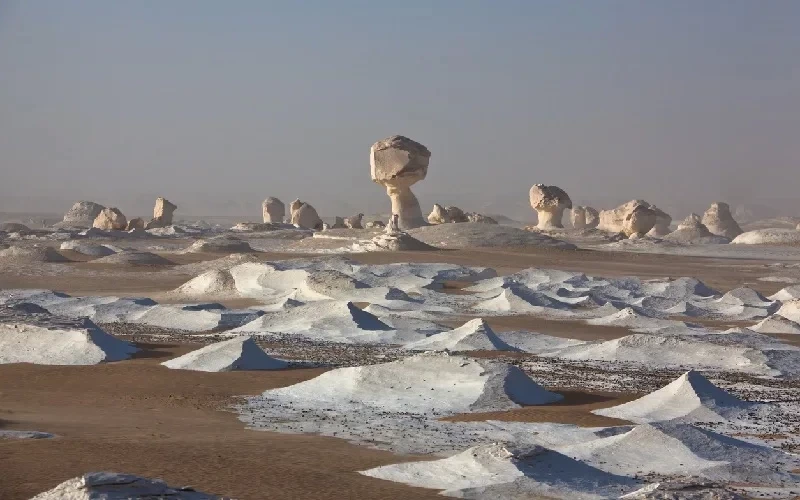
In addition to its archeological sites, El Kharga Oasis provides an insight into the life of Egyptians in the Western Desert. Farming land and palms create a contrast to the sand around, demonstrating the role that water and agriculture play in life of the oasis. Local markets enable tourists to find out more about the products of the area, fresh fruit, dates, and other goods. Tourists will also have a chance to see local architecture, enjoy hospitality of the locals, and learn how they combine their modern way of life with the ancient traditions of the desert. The surroundings are great for photography, nature hikes, and carefully planned Egypt desert safari trips accompanied by locals. Depending on the time of year and facilities, visitors might be able to visit nearby settlements and less known archeological sites as well. Sustainable tourism plays a crucial role in this vulnerable environment where water and monuments should be protected.