What Can You See in Luxor on a Day Trip from Sharm El Sheikh?
Planning a trip from Sharm El Sheikh to Luxor is a wonderful way to discover the treasures of ancient Egypt beyond the Red Sea. But can you visit Luxor from Sharm El Sheikh in one day? Yes, Luxor sightseeing trip with flights.
From the magnificent temples of Karnak to the legendary Valley of the Kings and the impressive Temple of Hatshepsut, Luxor offers an unforgettable journey into the world of the pharaohs. So, what can you see in Luxor on a day trip from Sharm El Sheikh? Let’s explore the major attractions, travel options, and what to expect when planning your one-day adventure.
With Rich Holidays, visitors can explore the highlights of both the East Bank and the West Bank of Luxor and experience the incredible legacy of the pharaohs.
What Are the Main Attractions Included in a Luxor Day Tour from Sharm El Sheikh by Flight?
A Luxor Day Tour from Sharm El Sheikh by Flight usually brings you to some of the best known ruins in the city. You get a tighter look at life in ancient Egypt. If you are wondering What Can You See in Luxor on a Day Trip from Sharm El Sheikh?, the answer includes impressive temples on the East Bank and remarkable royal monuments on the West Bank of the Nile.
Exploring Luxor’s East Bank
The East Bank is known for big religious buildings and major temple areas. Two sites are often top picks: Karnak Temple and Luxor Temple.
Karnak Temple is among the biggest religious spaces ever made. You can see tall columns, wide gateways, and carved writing in hieroglyphs. Luxor Temple is also a standout place. It has a bold front entrance, statues of pharaohs, and strong temple style.
Discovering Luxor’s West Bank
The West Bank is linked with burial customs in ancient Egypt and with royal life long ago. It is home to the Valley of the Kings, the Temple of Queen Hatshepsut, and the Colossi of Memnon.
The Valley of the Kings holds tombs from many New Kingdom rulers. the Temple of Hatshepsut stands out for its unique terraces carved into the dramatic cliffs The Colossi of Memnon are two giant stone statues, are another memorable sight.
Together, these attractions make Luxor an exceptional destination for travelers interested in history, archaeology, and ancient Egyptian culture.
Discover the Ancient Wonders of Karnak Temple
Karnak Temple is one of the most striking old sites in Egypt. It is a key part of many Luxor visits. Pharaohs built it first and later added more over many years. The complex was linked mainly to Amun-Ra, a major deity in ancient Egyptian beliefs.
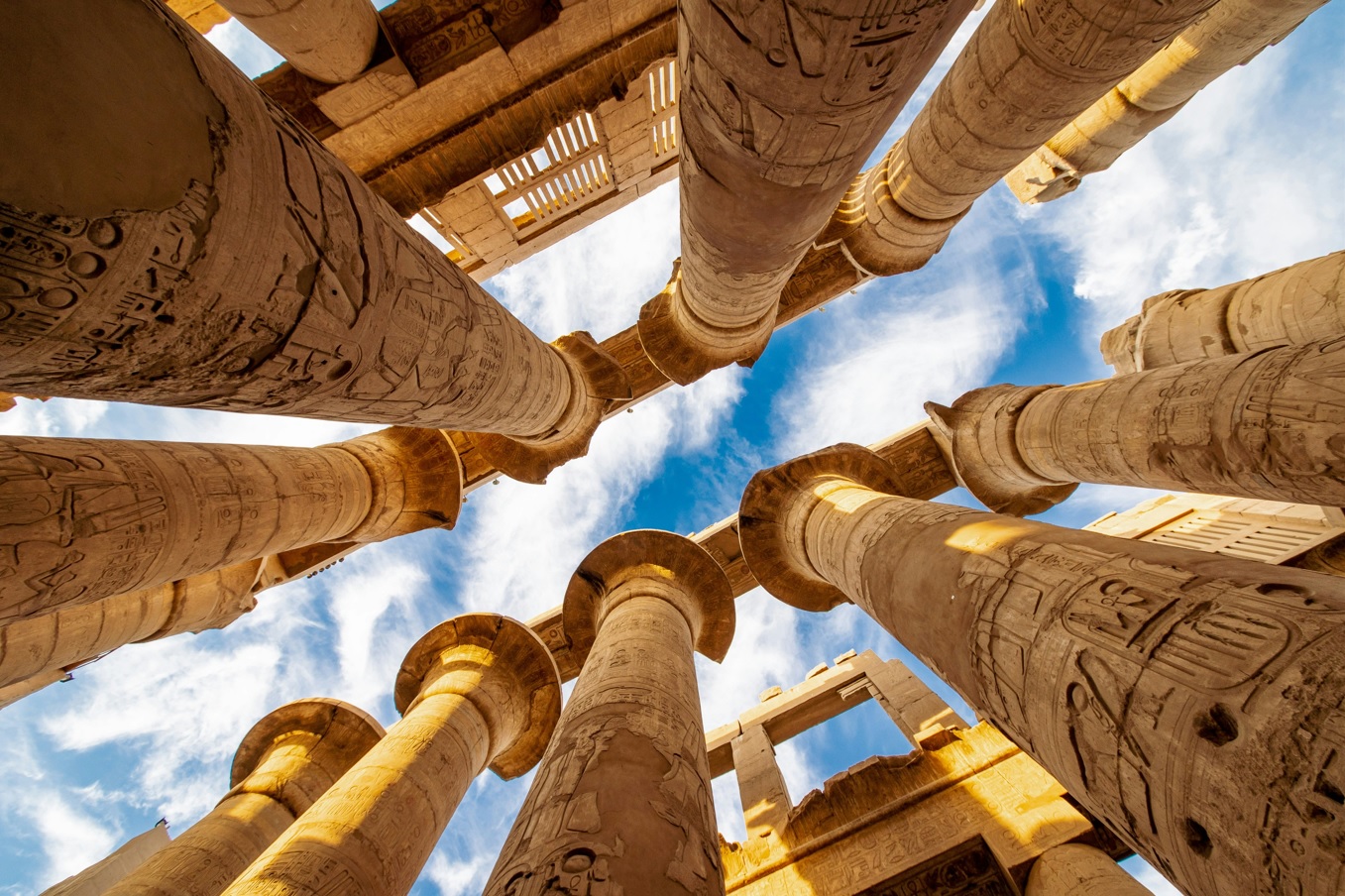
A major highlight is the Great Hypostyle Hall. It has 134 large columns set in long lines. When you walk through the hall, the height and the layout can feel overwhelming, like a real lesson in design from long ago.
Throughout the complex, you can discover monumental gateways, sacred spaces, obelisks, and beautifully carved hieroglyphics that reveal stories about the pharaohs, their religious beliefs, and their military achievements.
Karnak Temple is particularly fascinating for travelers who want to understand the importance of religion in ancient Egyptian society. Its size, intricate decorations, and historical significance make it an essential stop on a Luxor excursion.
What Can You Explore Inside the Valley of the Kings?
The Valley of the Kings sits on Luxor’s West Bank. It is one of Egypt’s best known archaeological places. In the New Kingdom period, it became a burial spot for pharaohs. Tutankhamun is among the rulers buried there, along with other important kings.
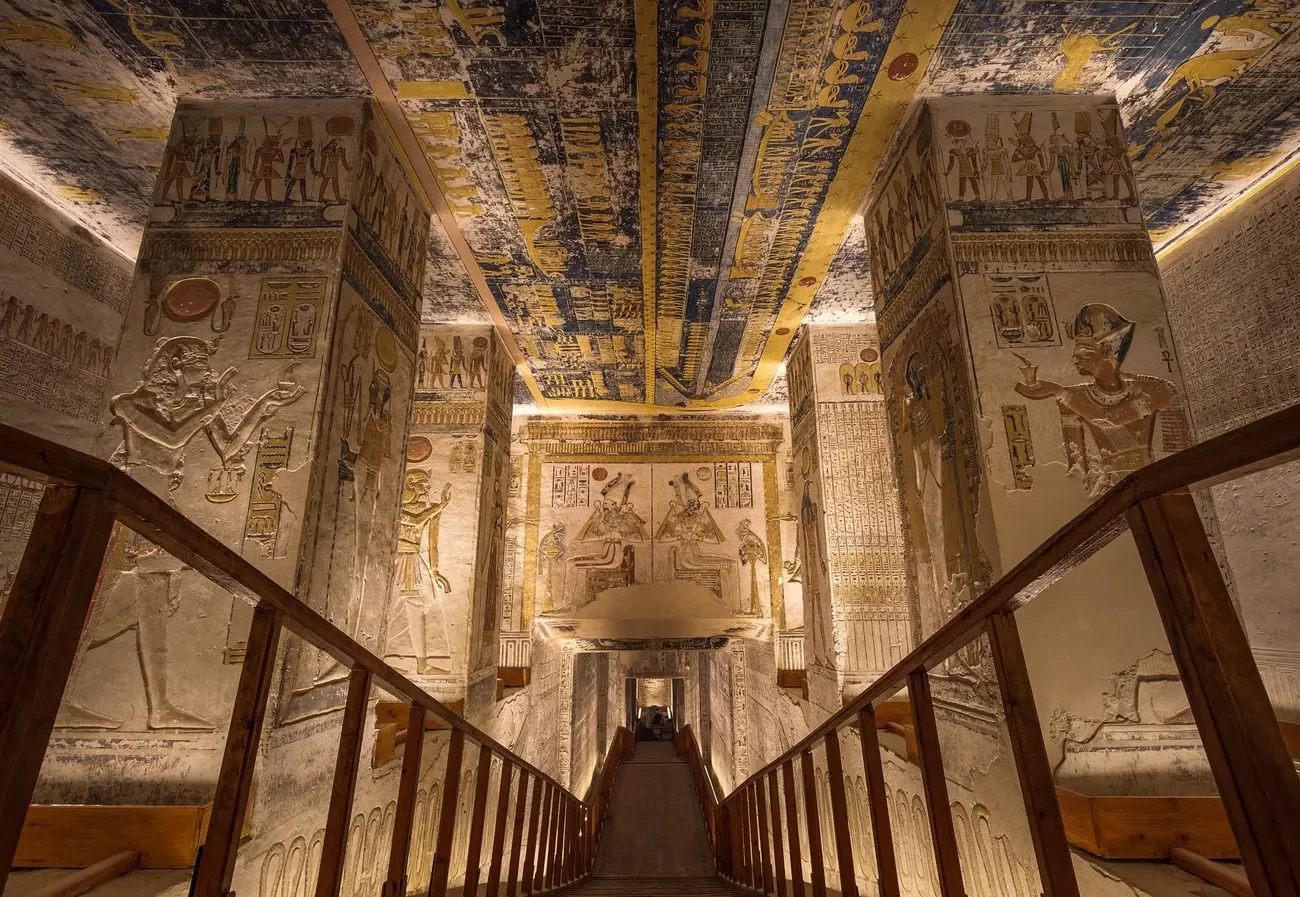
The valley is known for its rockock-cut tombs carved into the hills. Many tombs hold painted wall surfaces. The paintings often include religious writings and careful scenes meant to support the dead on their journey.
Step inside a tomb and look closely at the artwork. You can spot Egyptian gods, symbolic forms, and familiar religious themes. The colors may still look strong in some rooms. These images help explain what the ancient Egyptians believed about death and burial.
A visit to the Valley of the Kings is an unforgettable experience for anyone interested in ancient history. It offers a rare opportunity to explore the burial places of Egypt’s rulers and discover the artistic achievements of their civilization.
Why Is the Temple of Queen Hatshepsut Worth Visiting?
The Temple of Queen Hatshepsut stands out on Luxor’s West Bank. It was built for Queen Hatshepsut, one of ancient Egypt’s well known female rulers. People often notice the refined layout and the bold setting under high limestone cliffs at Deir el-Bahari.
Most Egyptian temple sites follow common patterns, but this one feels different. There are three main terraces, and they are linked by long ramps. The overall shape gives a sharp view against the desert hills nearby. That look is why it is often called one of Luxor’s best photo spots.
On the temple walls, visitors can see carved reliefs. They show key moments from Hatshepsut’s rule. One famous part depicts her trade journey to the Land of Punt. These carvings give a window into old Egyptian trade, faith practices, and royal claims.
A Stop at the Colossi of Memnon
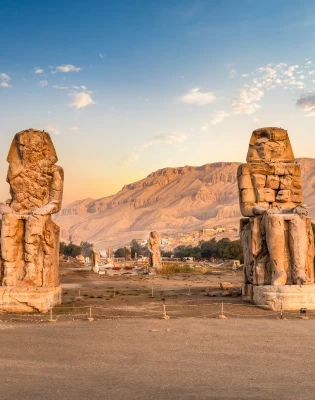
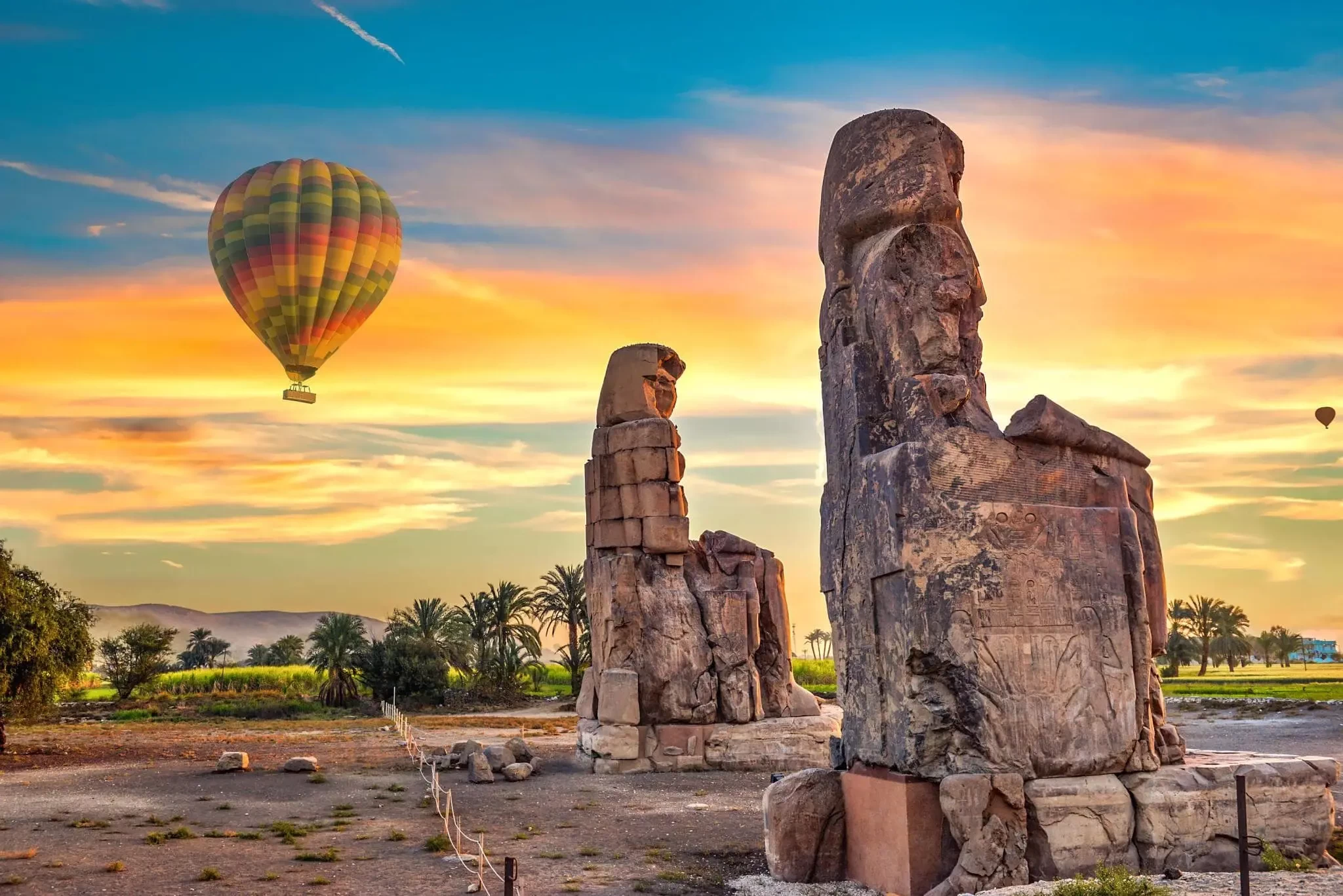
Many Luxor excursions add a stop at the Colossi of Memnon. These are two very large statues linked to Pharaoh Amenhotep III. They have been on the West Bank for over 3,000 years.
Each statue shows the pharaoh seated as if on a throne. Long ago, the statues stood near the entrance to a large mortuary temple. Even if the main temple is gone now, the two figures still make a strong impression. They also help people picture how large these ancient projects were.
The Colossi of Memnon are a common place to pause for photos. It is also a good chance to take in the massive scale of monuments from the pharaohs’ era.
What Should You Know Before Taking a Luxor Day Trip?
Planning ahead can help you make the most of your Luxor excursion from Sharm El Sheikh. Although traveling by plane reduces travel time, a day trip usually includes several historical sites and plenty of walking.
Here are a few useful tips before your trip:
- Bring comfortable walking shoes: Temples and archaeological sites involve walking across large courtyards, stone pathways, and uneven surfaces.
- Wear lightweight clothing: Choose comfortable clothes suitable for the weather, especially during warmer months.
- Protect yourself from the sun: Sunglasses, sunscreen, and a hat can help you stay comfortable while exploring outdoor attractions.
- Carry drinking water: Staying hydrated is important during a full day of sightseeing.
- Bring your identification documents: Keep the travel documents required for your flight and tour readily available.
- Check what your tour includes: Confirm whether flights, transfers, entrance fees, meals, and a professional guide are included in your package.
- Prepare for an early start: Flight schedules and the number of attractions included may require an early departure from Sharm El Sheikh.
It is also helpful to check the itinerary in advance, as the order of visits and time spent at each attraction can vary depending on flight schedules and local arrangements.
A Luxor day tour from Sharm El Sheikh by flight is an excellent way to discover some of Egypt’s most extraordinary historical treasures in a single day. From the monumental columns of Karnak Temple and the royal tombs of the Valley of the Kings to the architectural beauty of Hatshepsut’s Temple, Luxor Temple, and the impressive Colossi of Memnon, every stop reveals another chapter of ancient Egyptian history.
Whether you want to explore the East Bank, discover the royal monuments of the West Bank, or experience the fascinating world of the pharaohs, Luxor offers a memorable cultural adventure. With Rich Holidays, you can explore tour options and plan a visit to one of Egypt’s most remarkable historical destinations.
For travelers looking for memorable Sharm El Sheikh day Tours, a flight excursion to Luxor is a wonderful way to add history and culture to their holiday. It is also a great option for those exploring Egypt day Tours and looking to discover more of the country beyond the Red Sea coast.