
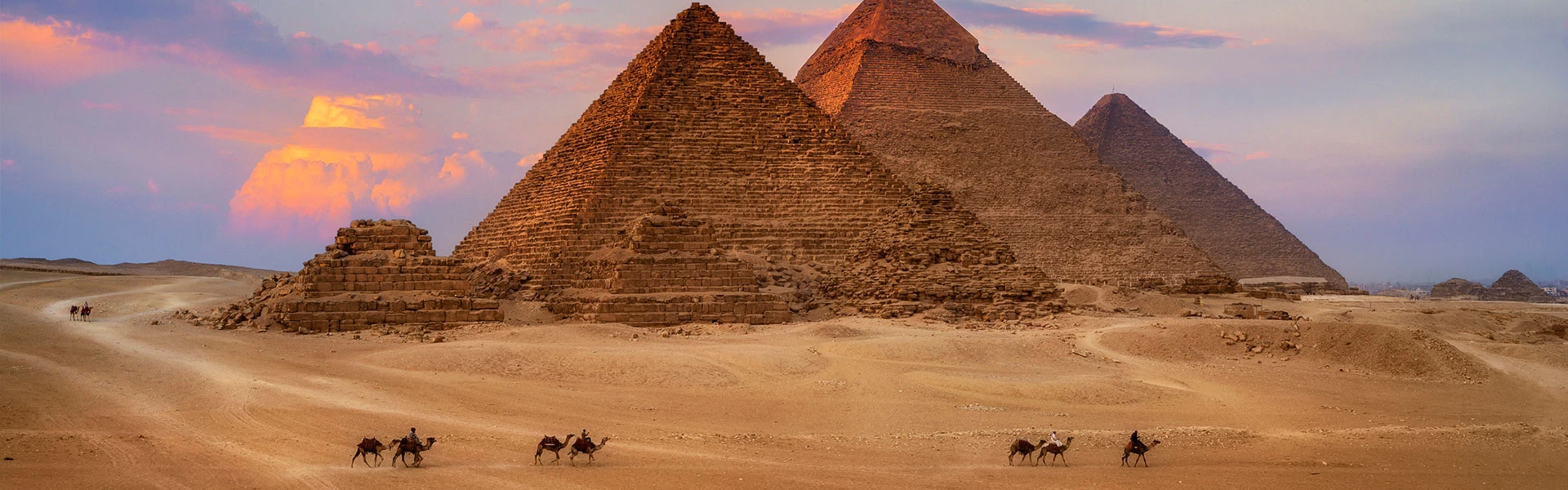
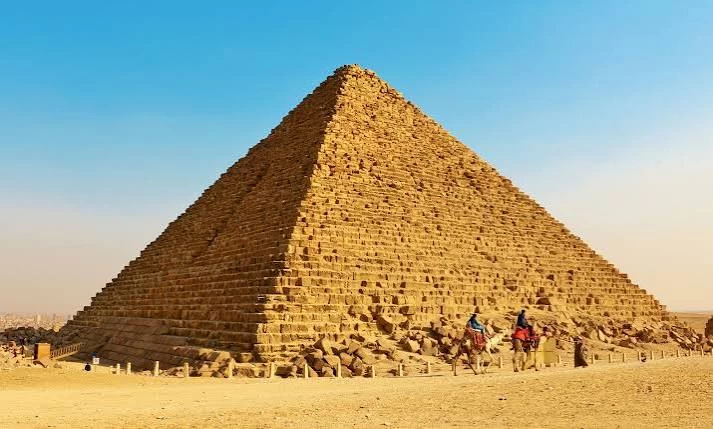
Menkaure’s Pyramid is the tiniest of the three big pyramids on the Giza Plateau. Even so, it deserves attention. It was made as a tomb for Pharaoh Menkaure in Egypt’s Fourth Dynasty. If you visit the Giza plateau for the first time, you may miss Menkaure at first. Its scale is smaller than the other two main pyramids. Still, the story behind it, the way it was made, and the mix of stones give it weight in the complex. In the sections ahead, you will find what the pyramid is, how the work was carried out, what sets it apart, and what to keep in mind before you go.
What Is the Pyramid of Menkaure?
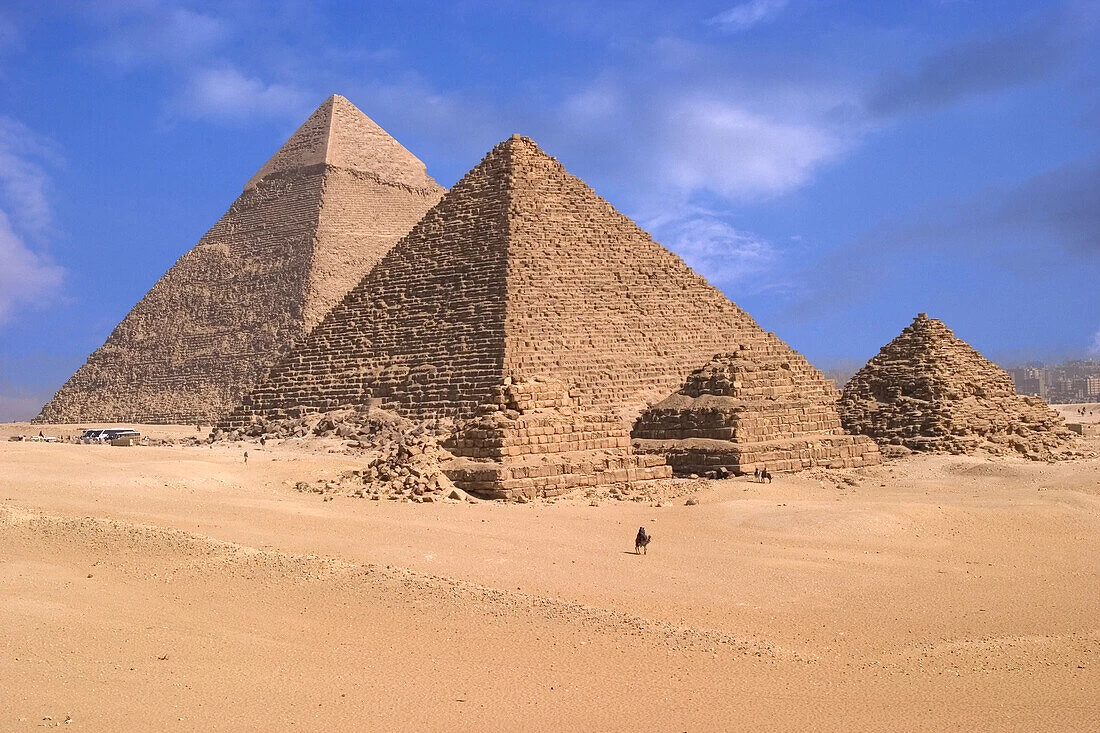
Menkaure’s Pyramid was made for the burial of Pharaoh Menkaure. He ruled in Egypt’s Fourth Dynasty. This pyramid is the smallest one among the three big pyramids at Giza. It sits next to the taller pyramids of Khufu and Khafre.
At first, the pyramid was around 65 meters tall. Over the years, some of the outer casing broke away. Because of that loss, it stands lower than it once did. Even now, it still looks solid and noticeable on the Giza Plateau. It also helps shape the look of the area in ancient times.
People often point to the stone choices in the build. Limestone makes up much of the structure. Granite shows up in some parts, especially near the lower areas and in nearby features. Granite is tougher to cut and shape than limestone. That means its use stands out as a key detail of the monument.
This pyramid was not meant to stand by itself. It was part of a funerary setup for the king. The site was made for his burial and for religious acts. You can find a mortuary temple there. There was also a valley temple. A causeway linked parts of the complex.
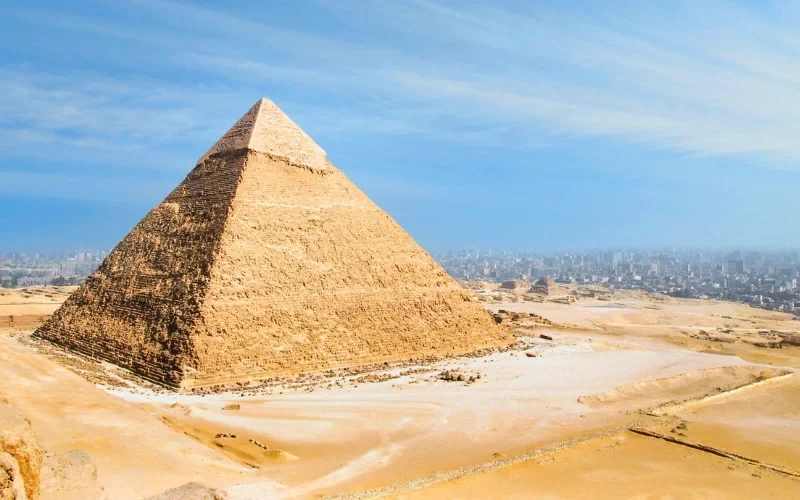
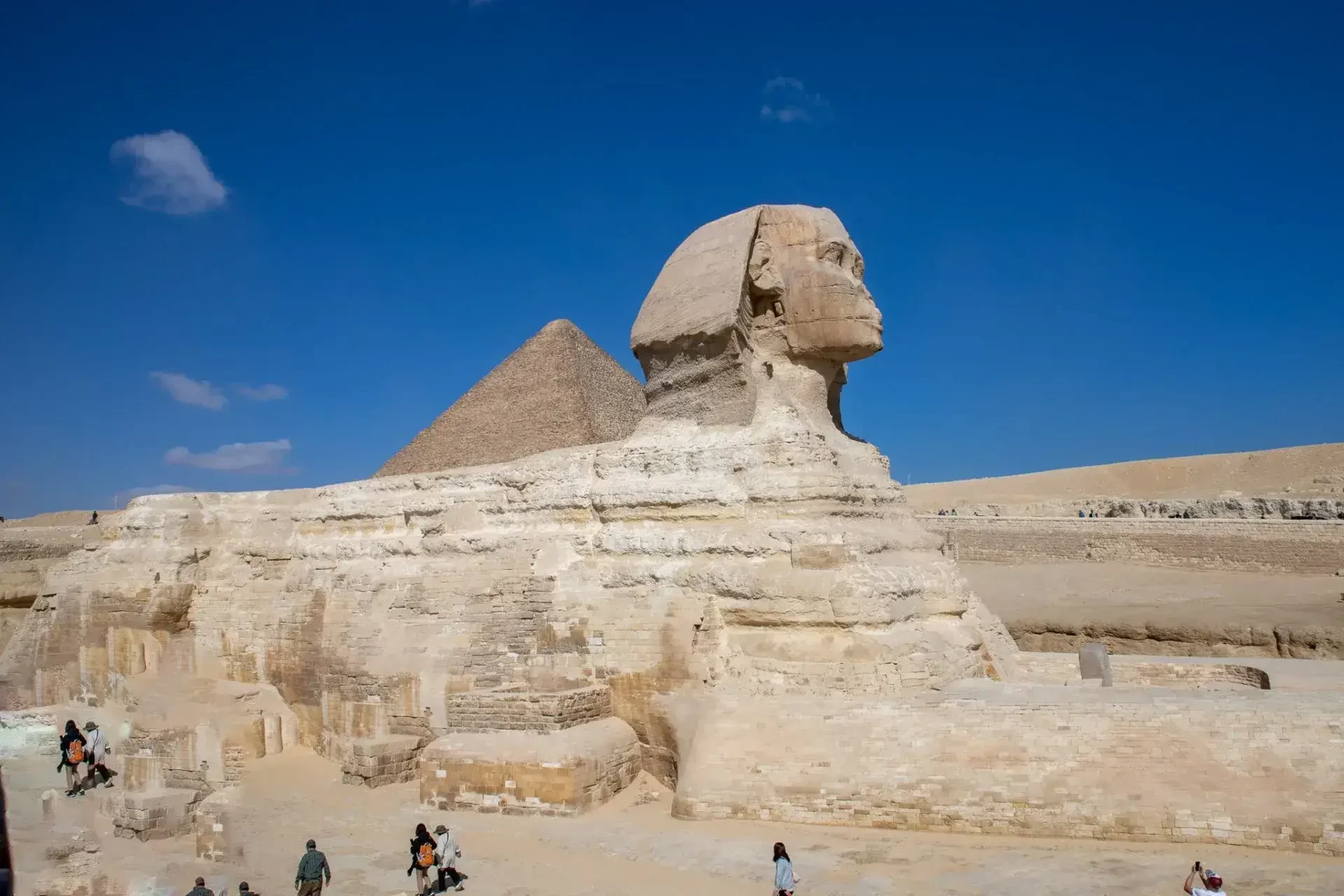
The location also makes the pyramid easy to include when exploring other Giza attractions. Visitors can see Menkaure together with the Great Pyramid, the Pyramid of Khafre, and the Great Sphinx during a visit to the plateau.
History and build of Menkaure’s pyramid
This pyramid is tied to Pharaoh Menkaure. He ruled during Egypt’s Fourth Dynasty. After Khafre, Menkaure took the throne. His pyramid is the third big royal pyramid at Giza.
Menkaure’s structure also fits older Egyptian ideas about death. People saw the afterlife as part of life that came next. The funerary site was laid out to help with burial rites. It was meant to support the king during that move to the next world.
Erecting a monument like this took long focus. Many hands were needed. Stone had to be cut first. Then teams had to move thick blocks to the site. After that, workers set the blocks where they belonged. They also had to coordinate the rooms and spaces of the funerary complex so the parts could function as a set.
The lower part of the pyramid is especially interesting because of its granite blocks. Some of these stones are very large and show the difficulty of the work carried out by ancient builders. The upper sections were mainly constructed with limestone.
The pyramid was also surrounded by additional buildings. The mortuary temple stood near the pyramid, while the causeway connected the upper complex with the valley temple. These areas were important for ceremonies connected with the king’s burial.
Over a span of many years, the pyramid faced weathering from nature and also changes made by people. In some places, parts of the original structure were lost or broken down. In other spots, portions are still there and can be seen now.
The stone that remains helps visitors study how workers mixed materials in ancient Egypt. It also shows that the pyramids at Giza do not match each other. Each one was built for a different ruler. Because of that,every pyramid has its own plan and small design features.
What Makes the Pyramid of Menkaure Different?
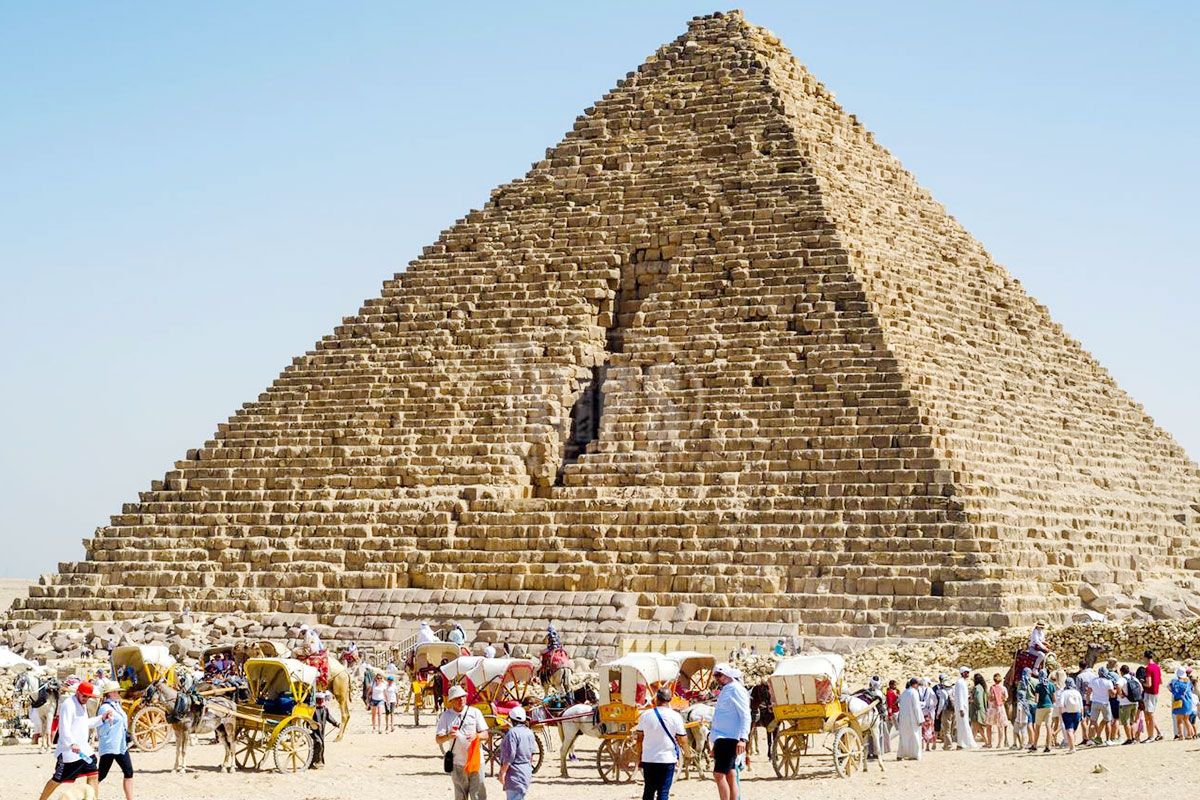
The Menkaure Pyramid is the smallest of the three big pyramids at Giza. Even so, it still matters. It was built for Pharaoh Menkaure. It also stands out in ways that do not match what we see on the larger pyramids of Khufu and Khafre.
Granite is one big difference. Workers used large granite stones on the lower sections. Granite shows up again in parts of the burial area around the pyramid. The darker stone makes a strong visual contrast against the pale limestone used elsewhere.
You may also notice spots that look rougher than the rest. Some surfaces seem unfinished or not fully smoothed. Those parts can help you see the stonework up close. They also point to changes the monument went through as time passed. You can get a better sense of how builders handled more than one kind of material.
The site around the pyramid adds another layer. Menkaure’s pyramid connects with several structures. There is a mortuary temple, a valley temple, and a causeway. Together, they fit into a wider sacred area tied to the pharaoh’s burial. They also relate to Egyptian ideas about what comes after death.
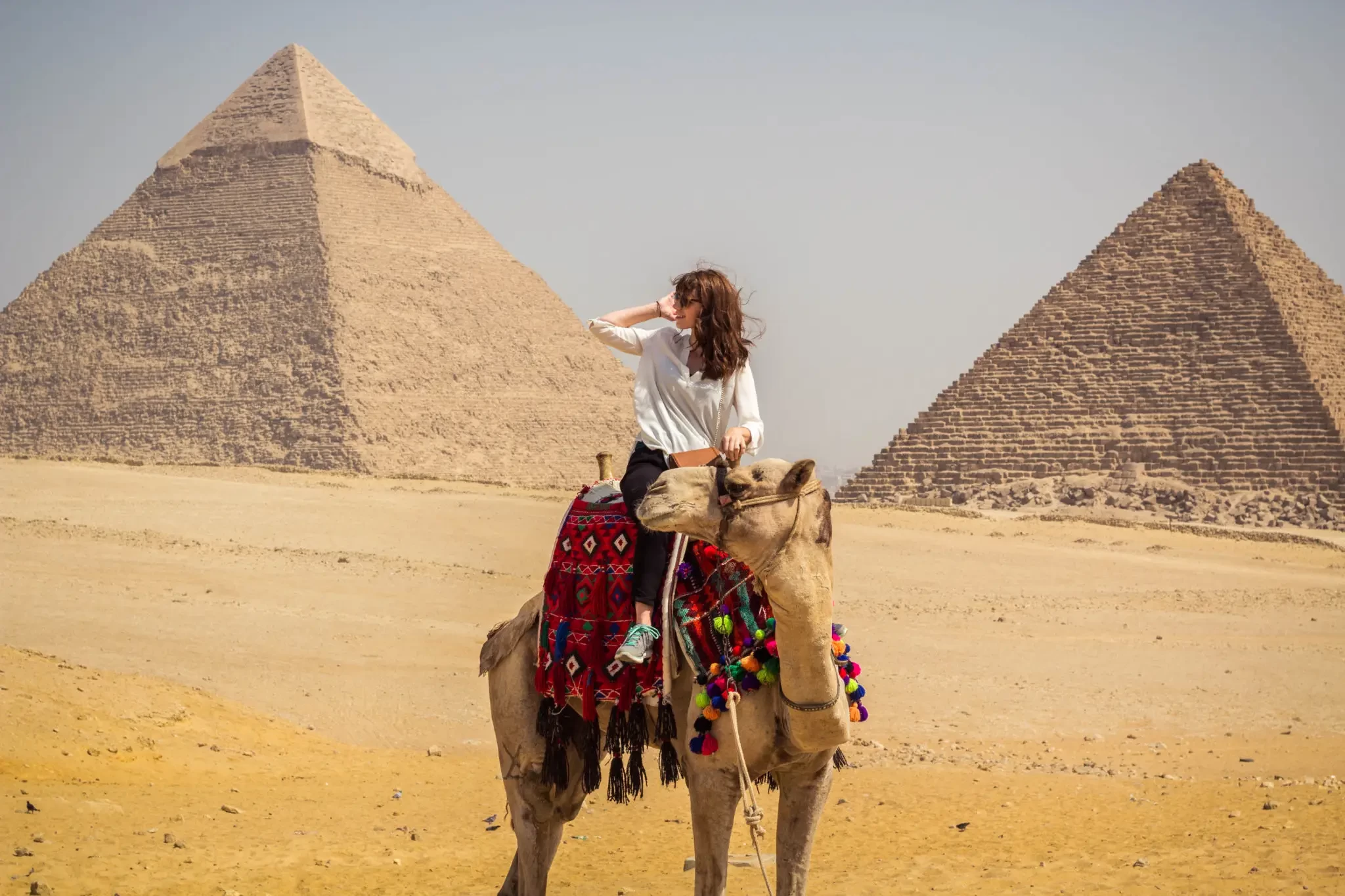
If you are using an Egypt Travel Guide, this pyramid is a good stop. Seeing it with the others helps you compare what is going on at Giza. You can look at size, building materials, and the overall layout. The setting also gives nice photo angles, with the pyramid and the desert in the same view.
What Can You See Around the Pyramid of Menkaure?
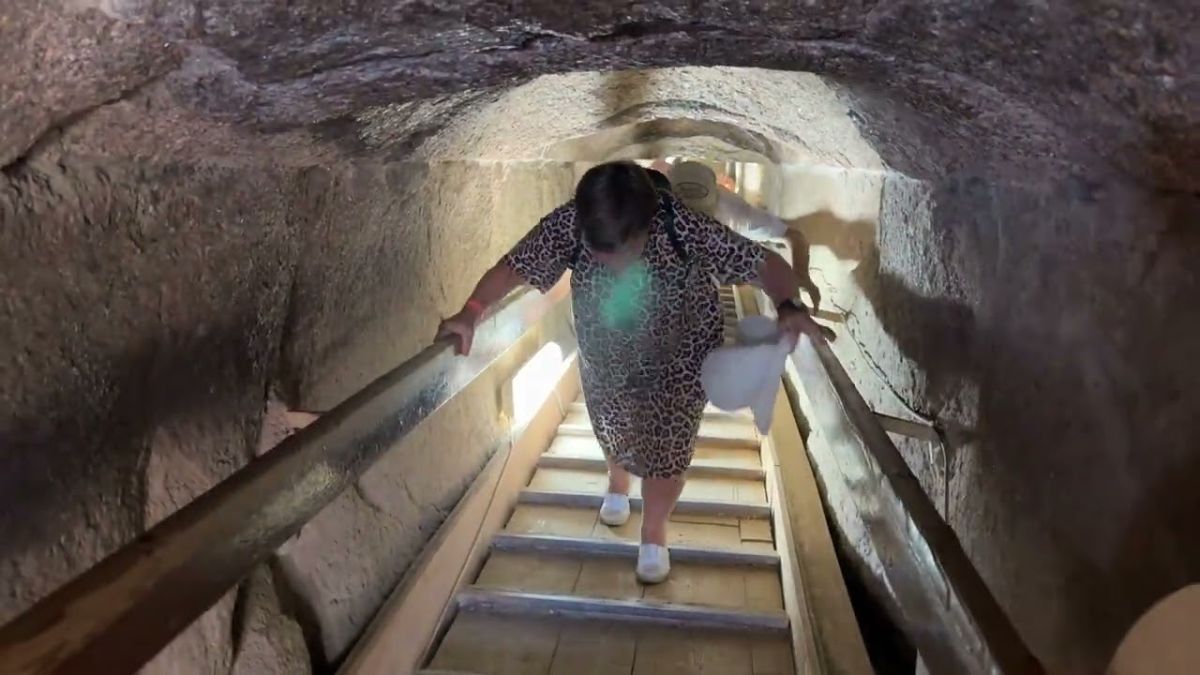
Menkaure’s pyramid sits inside a wider burial site. So there is more to look at than the pyramid walls alone. If you walk around first, you can get a clearer sense of how ancient Egyptians set up royal tomb areas.
Menkaure’s Mortuary Temple
Close to the pyramid, you can still find traces of the mortuary temple. This part was linked to ceremonies carried out for the pharaoh after he died. Most of the building is gone now. Still, the remaining ground-level sections help you picture the overall plan.
The Valley Temple and the Causeway
There was also a valley temple in the same complex. It joined to the mortuary temple through a causeway. That link suggests a guided path between key zones of the site. In other words, the pyramid worked as part of a bigger ritual setting, not as a lone structure.
Looking Toward the Other Pyramids at Giza
When you stand around Menkaure’s area, you can see the other big pyramids at Giza too. Seeing Khufu, Khafre, and Menkaure in the same view makes it easier to notice differences in scale, stone use, and design choices.
If you rely on an Egypt travel guide, this nearby area can make the day feel more complete. Many Egypt Day Tours also add the site so visitors can cover more than one major monument in a single plan.
Rich Holiday shares travel details and experiences for people exploring Egypt’s historic landmarks, including the well-known Giza Plateau.

.png "Partner")

.png "Partner")
.png "Partner")

.png "Partner")