The Giza Plateau is a key archaeological site in Egypt. Many people add it to their plans when they come to Cairo. Most visitors start with the pyramids, but the area has more than the big names. If you look at what to see at the Giza Plateau before you go, you can plan better. It also helps you avoid missing the top landmarks. You will likely want to see the Great Pyramid. You can also check out the other royal pyramids. Don’t skip the Great Sphinx. There are also older monuments nearby worth your attention. You can visit on your own or join a Cairo day tour. Either way, it helps to know what sights are there. It also helps to know how long you may need for each stop. That way, the day feels smoother and more fun.
What should you see at the Giza Plateau?
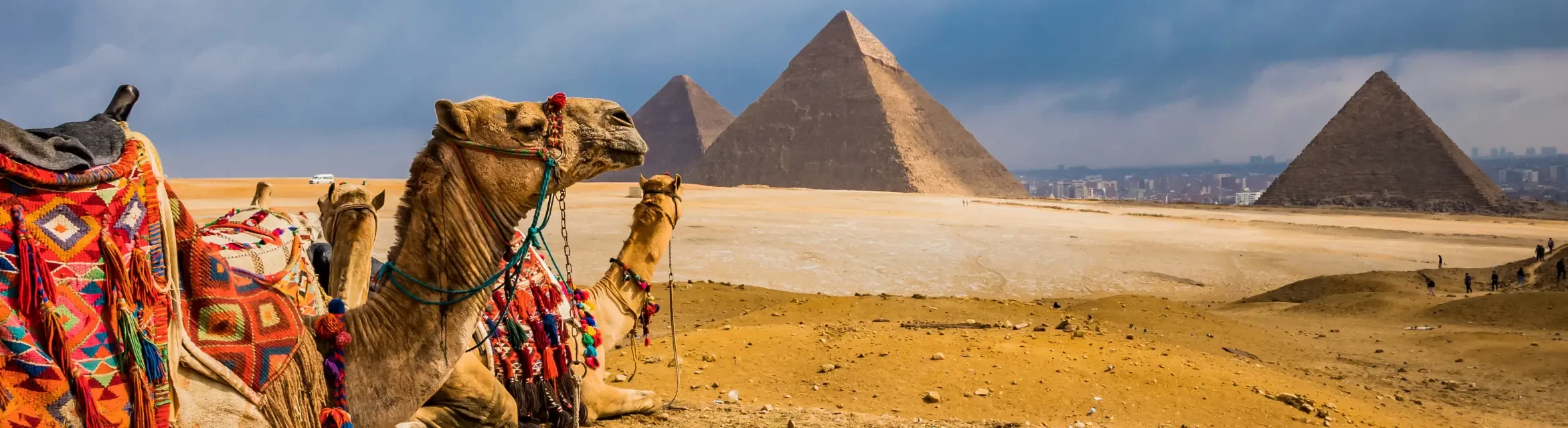
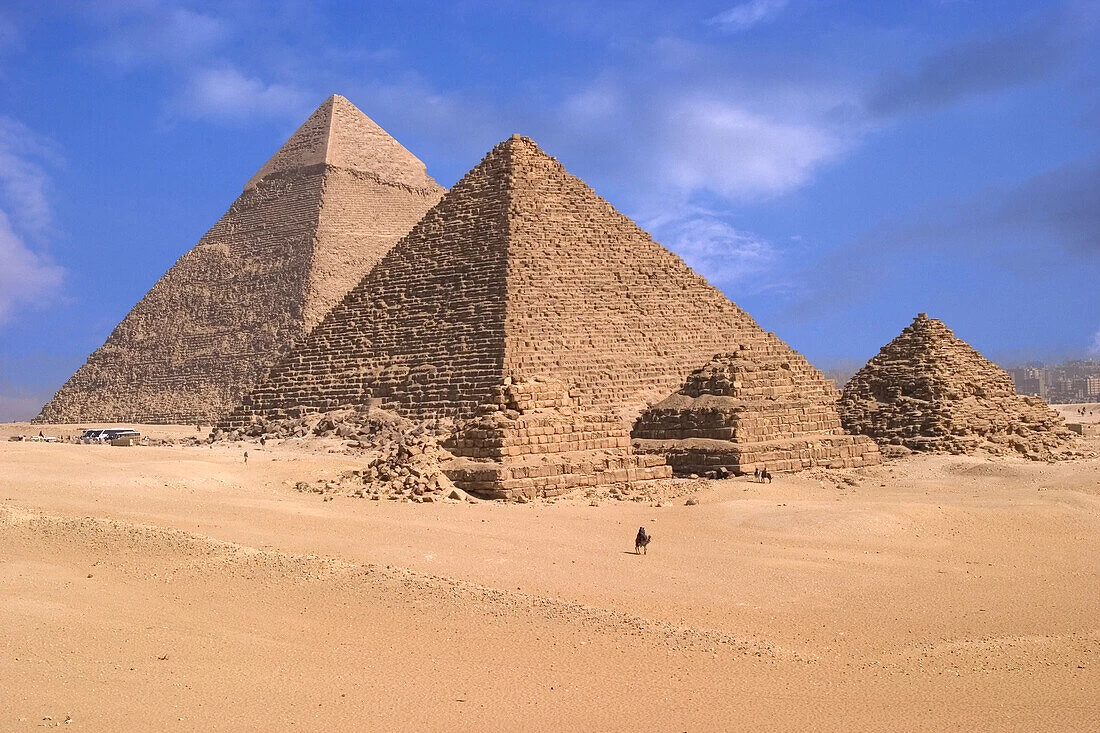
Most people start with the three big pyramids. They were made as royal tombs in Egypt’s Old Kingdom. Even now, they stand out more than anything else on the plateau.
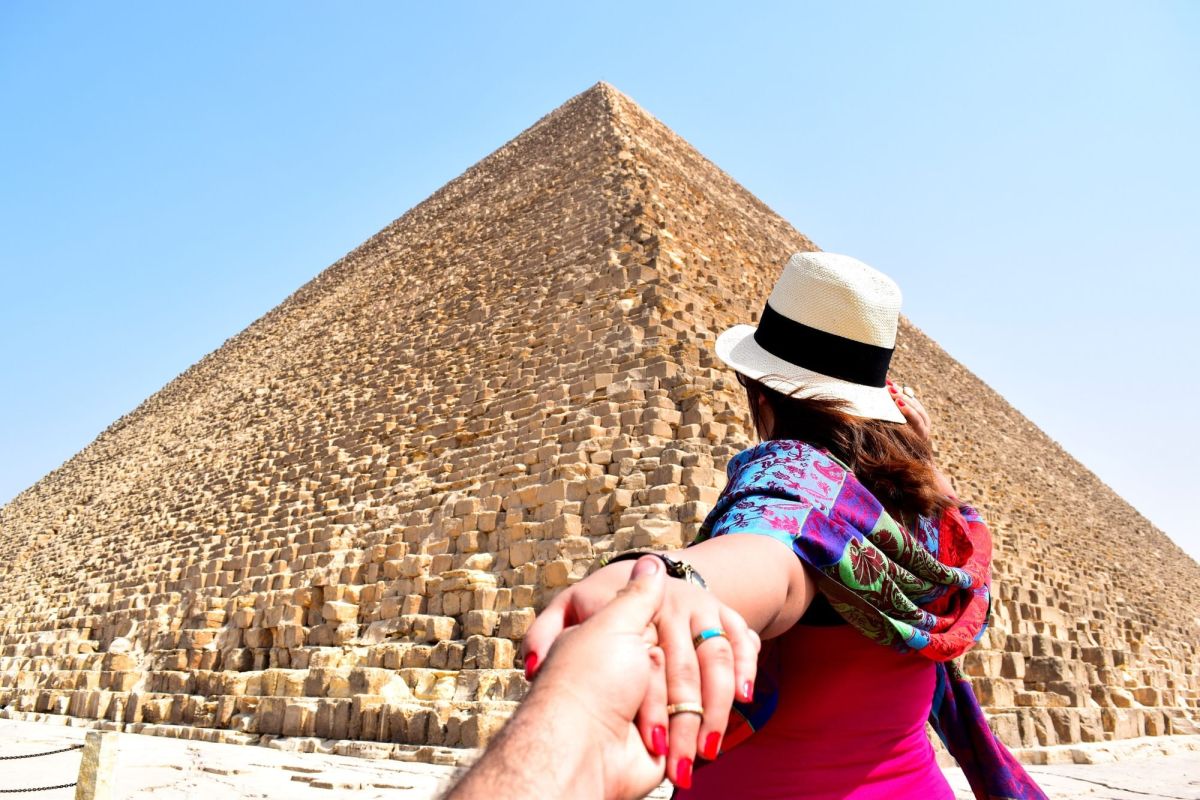
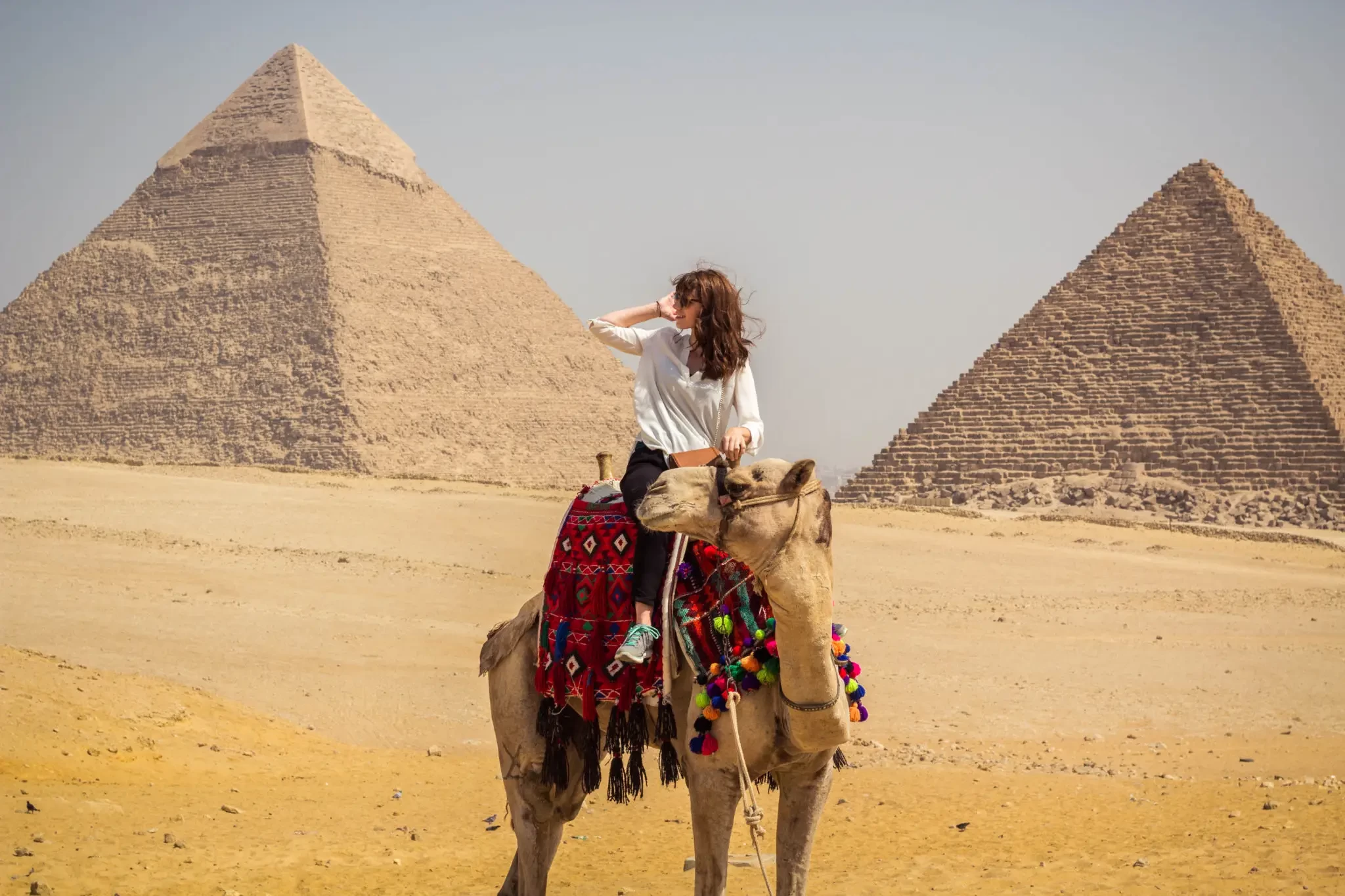
First, see the Great Pyramid of Khufu. It is the biggest of the three and the oldest. It is also the only one of the Ancient Wonders that still survives today. You can view its pale limestone walls from several spots around the plateau. If you buy a separate ticket, you can also go into parts of the pyramid.
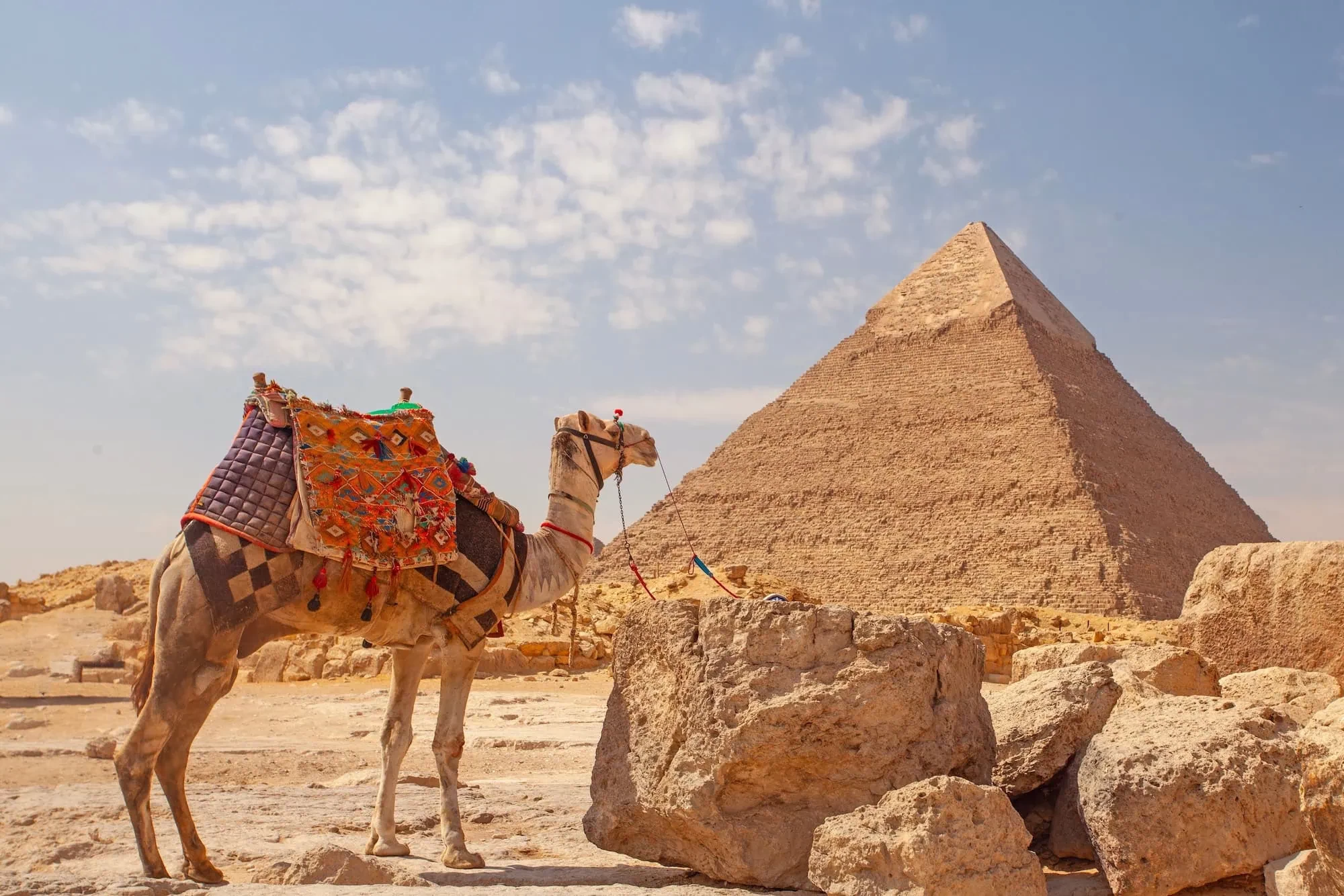
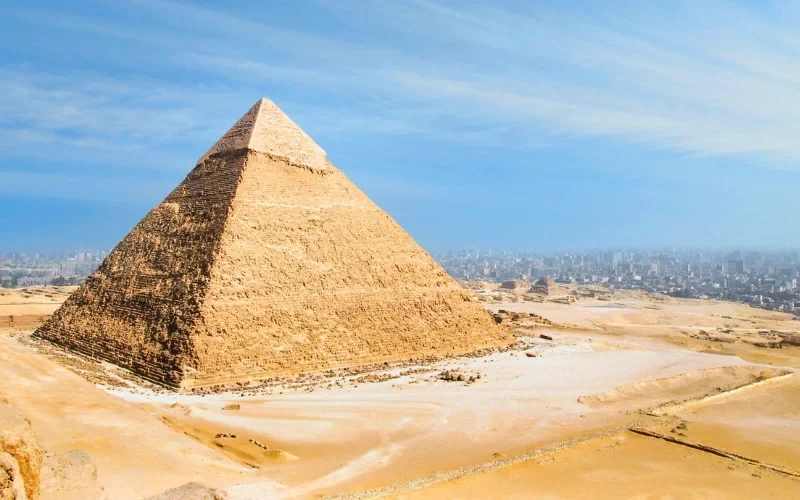
After that, look for the Pyramid of Khafre. Many travelers notice the top section where some smooth outer stones remain. From a few angles, it can look a bit higher than the Great Pyramid. A lot of that comes from its position on slightly higher ground.
The Pyramid of Menkaure is the smallest of the three main pyramids. Its lower courses include large granite blocks, making its construction noticeably different from the other pyramids.
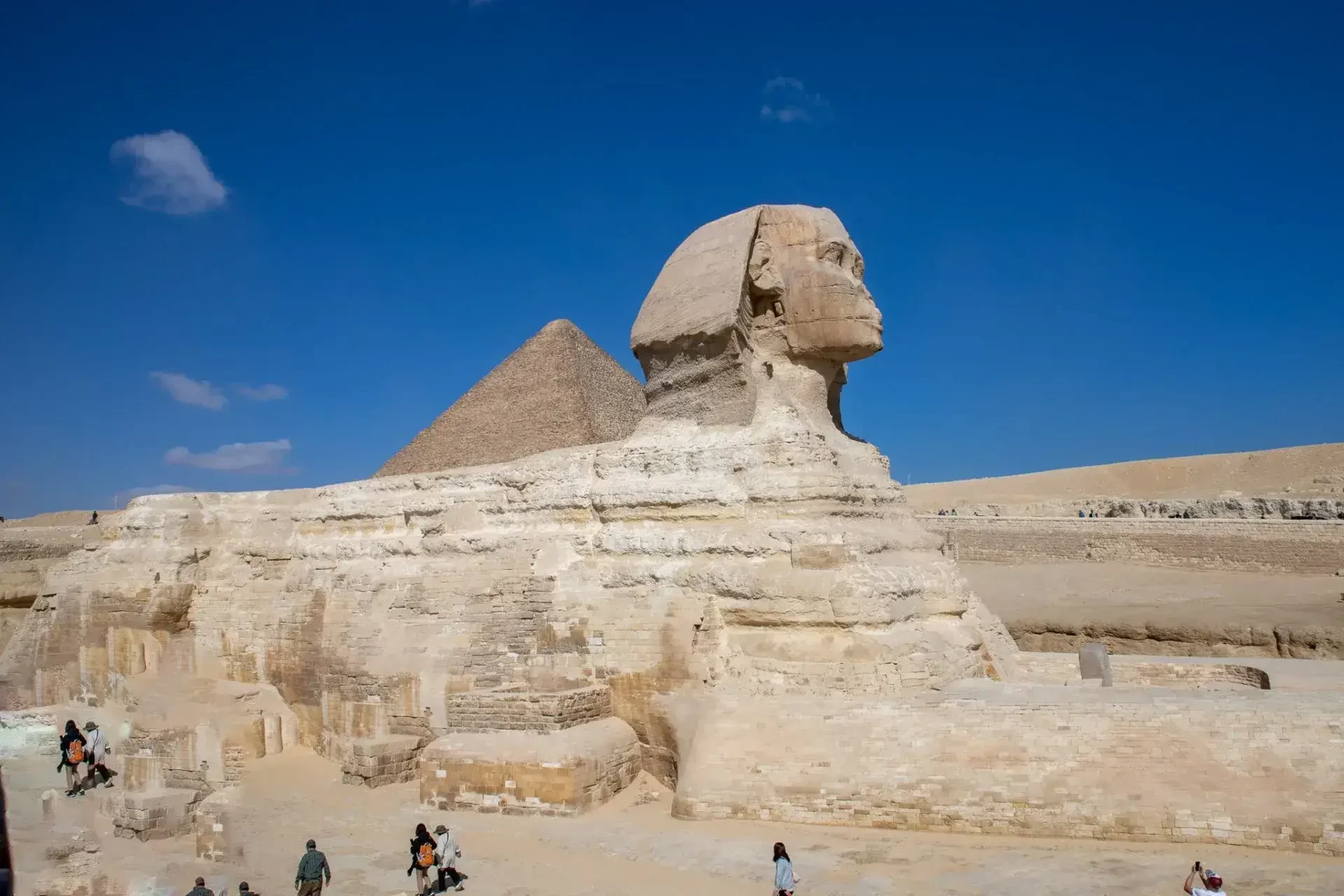
However, the pyramids are only part of the experience. One of the most important Things to see at the Giza Plateau is the Great Sphinx, which sits close to the Pyramid of Khafre.
The Sphinx has the body of a lion and the head of a human and is one of the most recognizable monuments in Egypt. Seeing it together with the pyramids gives you a better understanding of how the monuments are positioned within the ancient necropolis.
There are also smaller pyramids, tombs, temples, and other archaeological remains across the plateau. These sites are easy to overlook when you are focused on the three major pyramids, but they help explain how the Giza complex functioned as an important royal burial area.
Can You See the Great Sphinx at the Giza Plateau?
Yes. The Great Sphinx sits on the Giza Plateau, so it is a key stop for most visitors.
It was carved out of the natural limestone beneath the ground. The face is human, and the body is a lion. Many people link it to Pharaoh Khafre, but the details about when it was built and why still keep experts talking.
A lot of travelers enjoy that it is not far from the Pyramid of Khafre. When you stand in the Sphinx area, you can see how the monument lines up with the nearby pyramid complex.
Spend a bit of time in the marked areas. Walk slowly and view it from more than one side. This also helps you take photos that include the Sphinx and the pyramids in the same shot.
If you book with Egypt Day Tours, the Sphinx is usually one of the first stops you will see at Giza. Your guide can tell you more about how the monument was built, and they can point out small details you might skip if you only rush through.
What other places can you visit on the Giza plateau?
Aside from the three big pyramids and the Sphinx, there are more stops across the grounds. You can spot smaller monuments and older remains that help fill in the bigger story.
One example is the Valley Temple of Khafre. It was built for the pyramid complex. The temple links to the burial rites connected to the king. The heavy stone walls also show how organized the builders were, and how large the project felt.
Near the Sphinx, you can also see the Great Sphinx Temple. A lot of it has fallen apart over time. Still, the blocks that remain and the overall plan can tell you something about what people did there as part of worship.
There are also small pyramids and tombs from royal family members and key officials. They do not get as much attention as the Great Pyramid. Even so, they make it clear that Giza was more than just three pyramids in one spot.
If you are using an Egypt Travel Guide to map out your trip, it helps to keep this wider view of the plateau in mind. What you are looking at is a big archaeological area. It is not just a place you pause at for a few quick photos.
Taking time outside the best-known monuments can make the day feel calmer. You may also come away with a clearer sense of what life was like in ancient Giza.
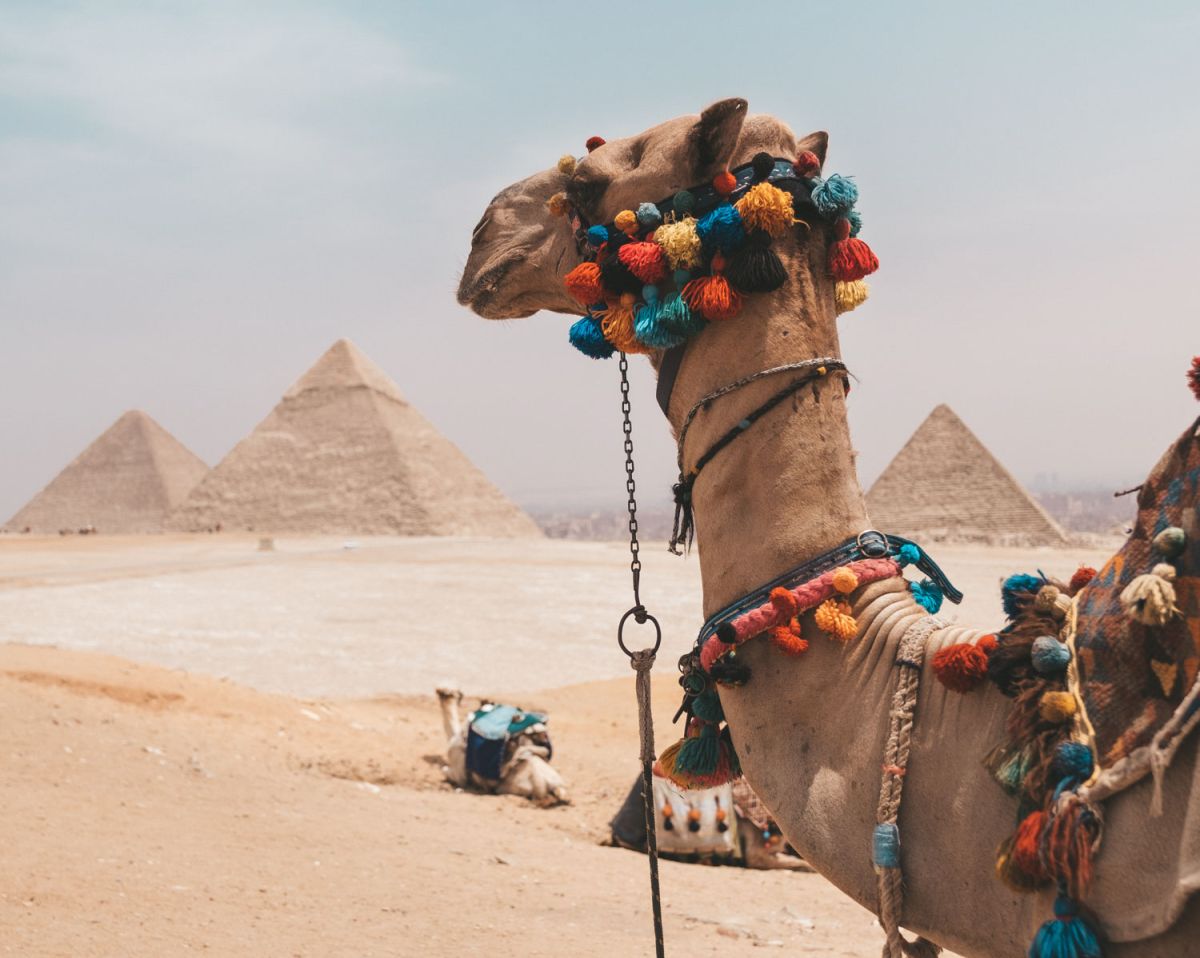
How much time do you need for the Giza Plateau?
It depends on what you want to do there. It also depends on whether you plan to go inside any of the pyramids.
If you only want the main sights, plan for about two or three hours. That usually covers the big pyramids, the Great Sphinx, photo stops, and a bit of walking around the nearby areas.
Want to go in a pyramid or two? Or do you want to take your time and also see more nearby archaeological spots? Then set aside three to four hours, or even longer if you like to linger.
The time of day matters too. Going earlier can feel easier, especially when it is hot. It also gives you more quiet time before the busiest hours start.
If your trip includes other stops in Cairo, it helps to plan. Many day tours mix with other Giza attractions, so pick your top sights first to use your time well.
If you booked your Egypt trip through Rich Holidays, you can add the Giza Plateau to your plan with the other Cairo highlights. The exact fit depends on your interests and the time you have.
The most important thing is not to treat Giza as a quick photo stop. The plateau contains thousands of years of history, and giving yourself enough time to explore its main monuments will make the visit much more rewarding.
From the Great Pyramid and the other royal pyramids to the Great Sphinx, temples, tombs, and smaller monuments, there are plenty of Things to see at the Giza Plateau. With a little planning, you can experience the highlights comfortably and get a much better sense of why Giza remains one of Egypt's most remarkable archaeological sites.
-home-package-card-315.webp)
.png "Partner")

.png "Partner")
.png "Partner")

.png "Partner")