
Discover Luxor Temple: History, Highlights & Visitor Guide
Luxor Temple is among Egypt’s great old sites. Many travelers put it at the top of their list when they come to Luxor. The temple sits on the east bank of the Nile. It lets you see how ancient Egyptians practiced religion. You can also spot their style of building and royal customs.
More than one pharaoh shaped this place over time. Amenhotep III and Ramesses II are often linked to major parts of the work. The front area is especially grand, with a strong entrance and huge columns. There are also statues and stone walls with careful carvings. Another reason the temple stands out is its tie to the old Avenue of Sphinxes. That road also helps form the wider historic setting around Luxor.
This write up explains the background of Luxor Temple. It also points out key sights once you are there. You will find notes on the main layout and standout design points. It includes practical tips that can help with planning your visit. Luxor tours can also make it easier to explore the temple and other historic attractions in the area.
Luxor Temple: Everything You Need to Know
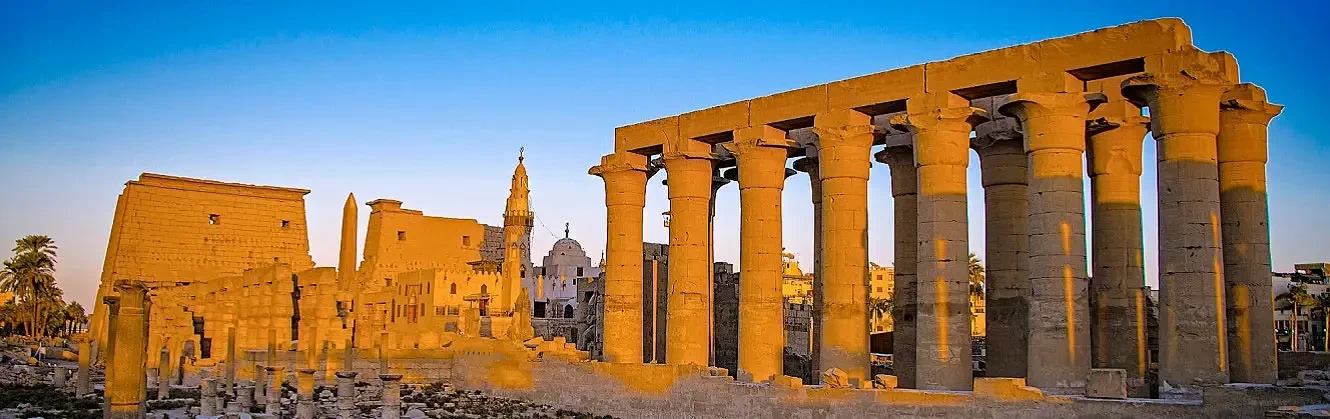
Luxor Temple is a top ancient site in Egypt. Many travelers rank it as a must see in Luxor. The temple sits on the east side of the Nile. When you walk around, you can see tall columns, huge statues, carved walls, and old monuments tied to well known pharaohs.
This temple was not built only for daily worship of a single deity. It also played a role in royal events. It was linked to the idea of new life for the king and the renewal of power. You can also fit it into your day with other stops, since it is in the busy center of modern Luxor.
Planning a trip to Luxor soon? Here you will find the story of Luxor Temple. You will also learn about the main sights, what your visit is like, and practical advice to help you enjoy it more. Edfu and Kom Ombo Temples are also popular ancient sites to consider adding to your Egypt travel itinerary.
Where Is Luxor Temple?
Luxor Temple is located on the east bank of the Nile. The site is close to the river. Today, the area around it has many hotels, places to eat, shops, and other stops for visitors.
Because it is so easy to reach, many people plan it as a day trip stop. Many travelers combine Luxor Temple with Karnak Temple and other historical attractions on the east bank.
History of Luxor Temple
Luxor Temple traces back more than 3,000 years. Most of the main building work began under Amenhotep III during the New Kingdom. After that, later rulers kept shaping the grounds and adjusted parts of the temple.
Ramesses II also made changes here. You can connect him to the large statues and the main pylon at the front. Those features play a big role in the temple’s current look.
Over the years, the temple did not stay unchanged. Different groups used the space and left their mark. Inside the complex, you can find traces tied to Roman and Christian activity. These details reflect how the site changed over time.
Why Was Luxor Temple Built?
Luxor Temple linked to the worship of Theban gods. It also fit the royal rites of ancient Egypt.
Most of the focus was on Amun in the Theban form. Other related gods were honored too. The temple had a key part in the yearly Opet Festival. During Opet, people carried sacred images from Luxor Temple to the Karnak area.
The festival celebrated the renewal of kingship and the divine connection between the ruler and the gods.
What to See at Luxor Temple
You will find several major spots to check out inside Luxor Temple.
The First Pylon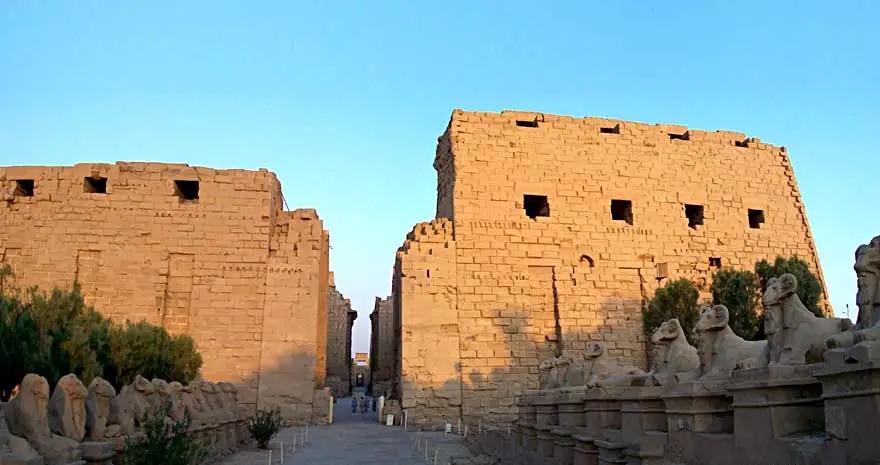
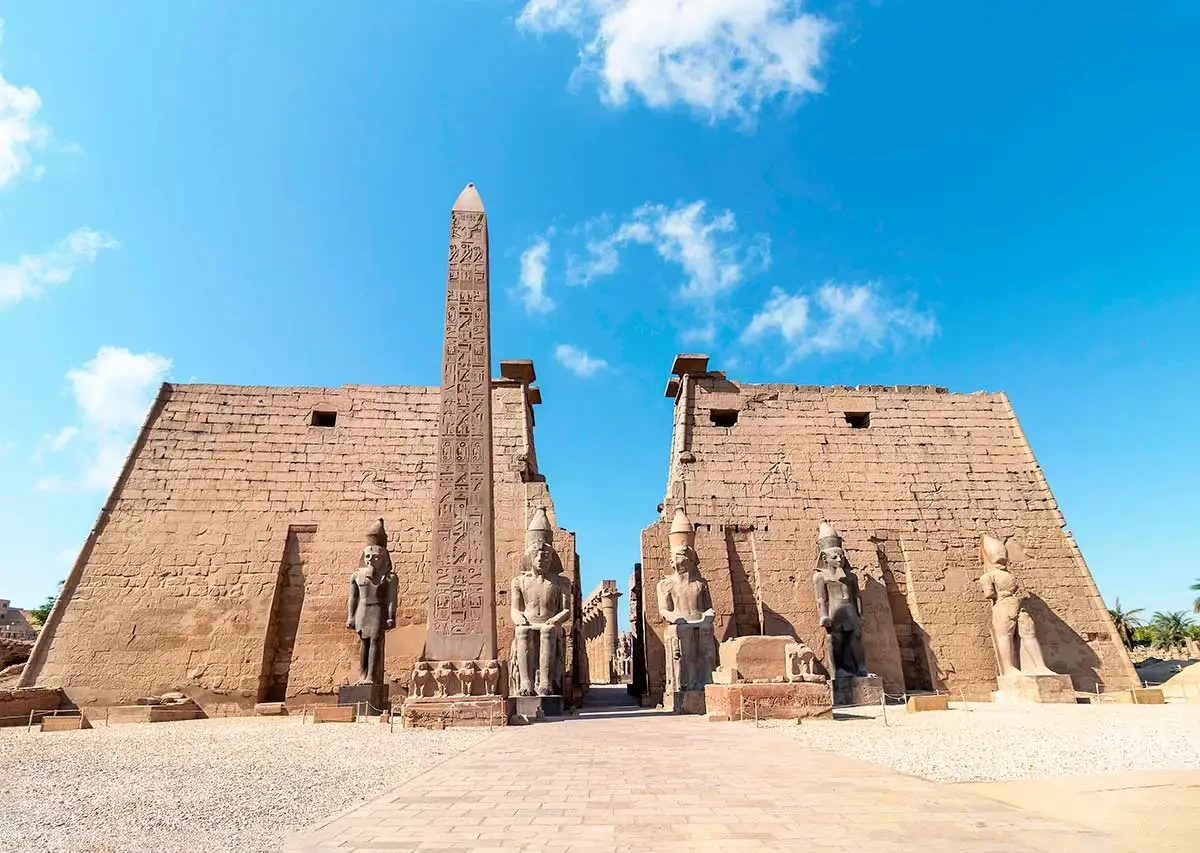
Begin at the main gate. This gate is called the First Pylon. Ramesses II ordered its build. On the outer walls, there are carved scenes. There are also brief carved lines that mention his wins.
Near the entrance you will see two big seated statues of Ramesses II. They are placed where they stand out. You will likely spot them fast.
Obelisk of Ramesses II
At Luxor Temple, near the entrance, there is a tall granite obelisk. It is one of the most easy to spot monuments on the site.
Long ago, this obelisk was made to stand with another one. That matching obelisk is now in Paris, placed at the Place de la Concorde.
The obelisk left at Luxor has carved text. Those markings link it to Ramesses II and to old Egyptian religious customs.
Avenue of Sphinxes
The Avenue of Sphinxes once worked as a ceremonial path. It connected Luxor Temple with Karnak Temple. Along the way, sphinx statues lined the route. They were part of major religious marches and processions. Today, restoration work has changed what people can see. Visitors can now grasp more clearly how the two great temples relate to each other.
Great Court of Ramesses II
The Great Court is a wide open courtyard. You can see it is ringed by columns and statues. Ramesses II added it, and it holds a few notable monuments.
Many visitors stop here to take in the size of the space. They also look closely at the plan of the older Egyptian temple style.
Colonnade Hall
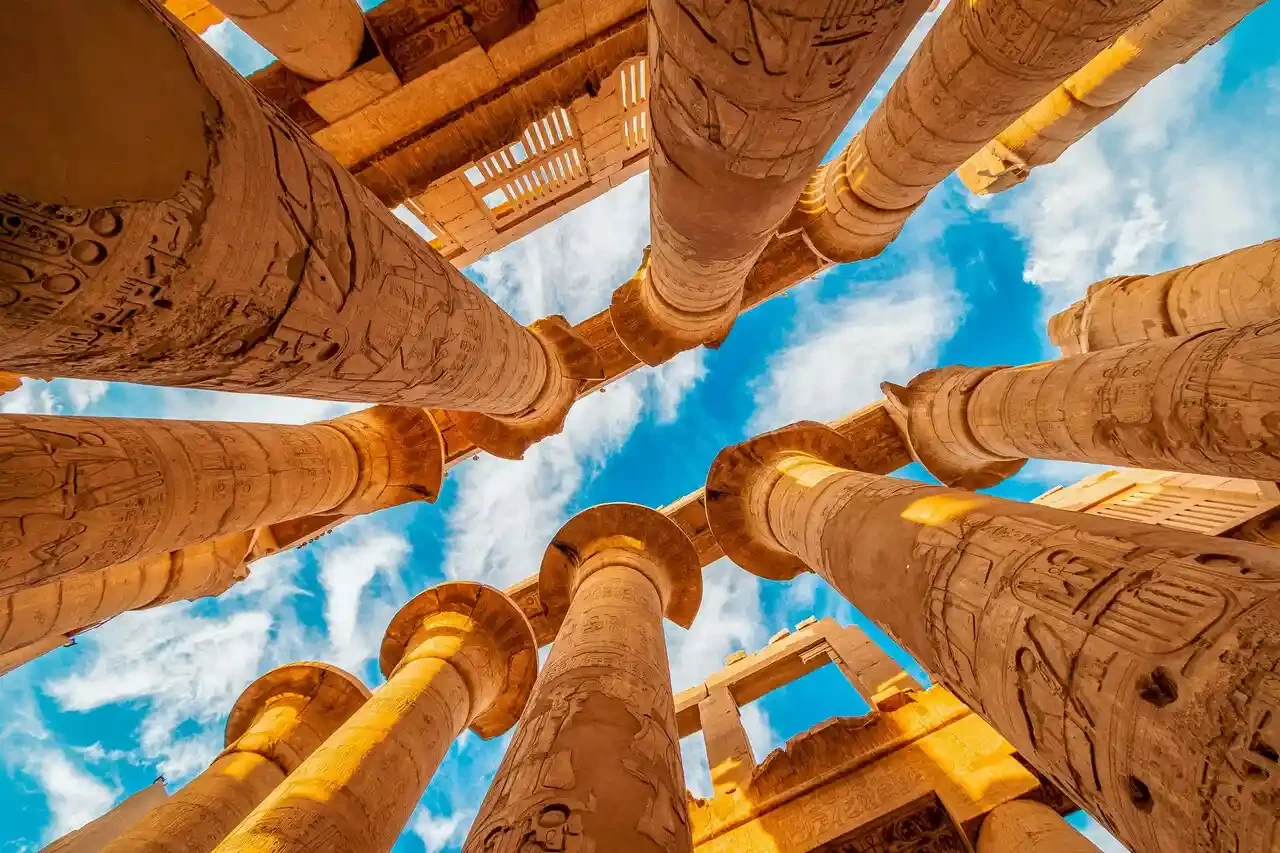
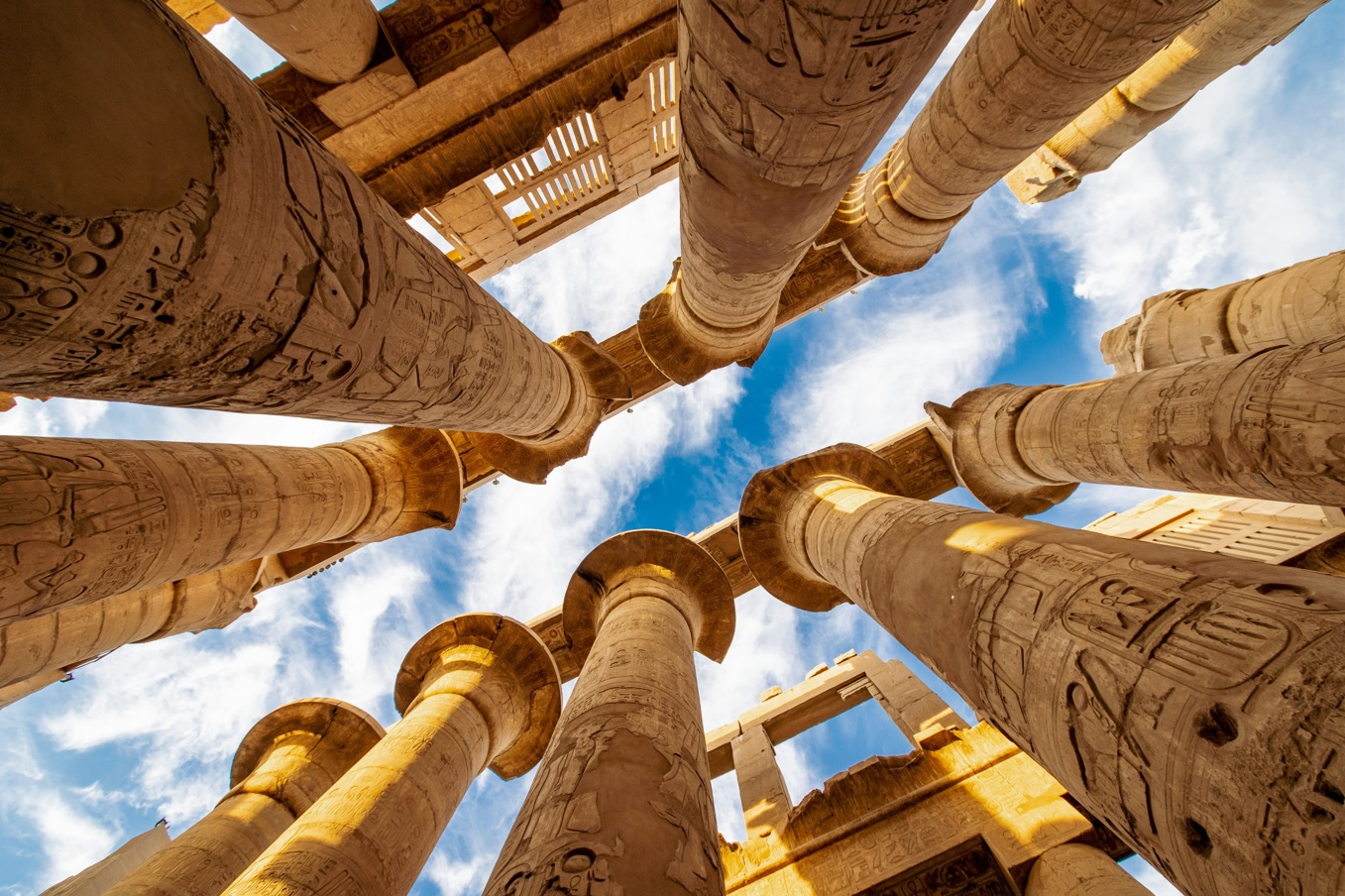
The Colonnade Hall stands out within Luxor Temple. Tall columns line the room in neat rows. Some columns carry carved relief scenes and written marks.
This hall also mattered for ceremonies long ago. Today it still gives strong views from inside the temple.
Statues and Reliefs
Throughout the temple, you will find statues, hieroglyphs, and carved panels. The carvings depict pharaohs, gods, religious scenes, and other important events.
Take a slow walk and look at the work up close. If you give yourself a bit of time, the visit can feel more satisfying. This matters even more for anyone who is into ancient Egyptian history.
Luxor Temple at Night
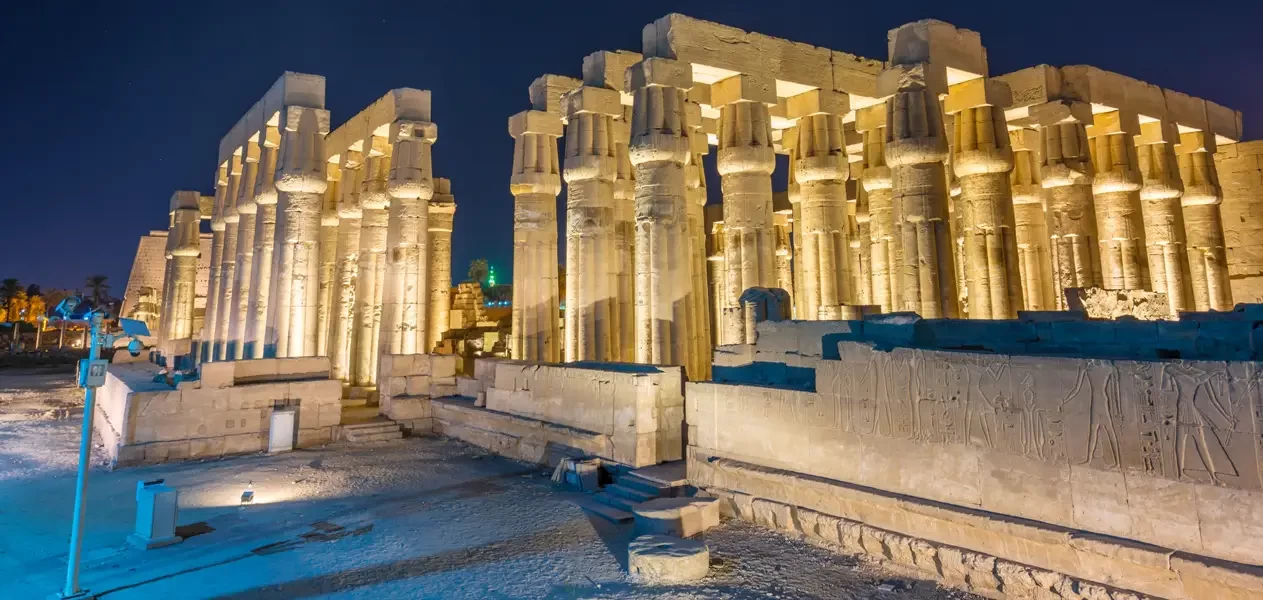
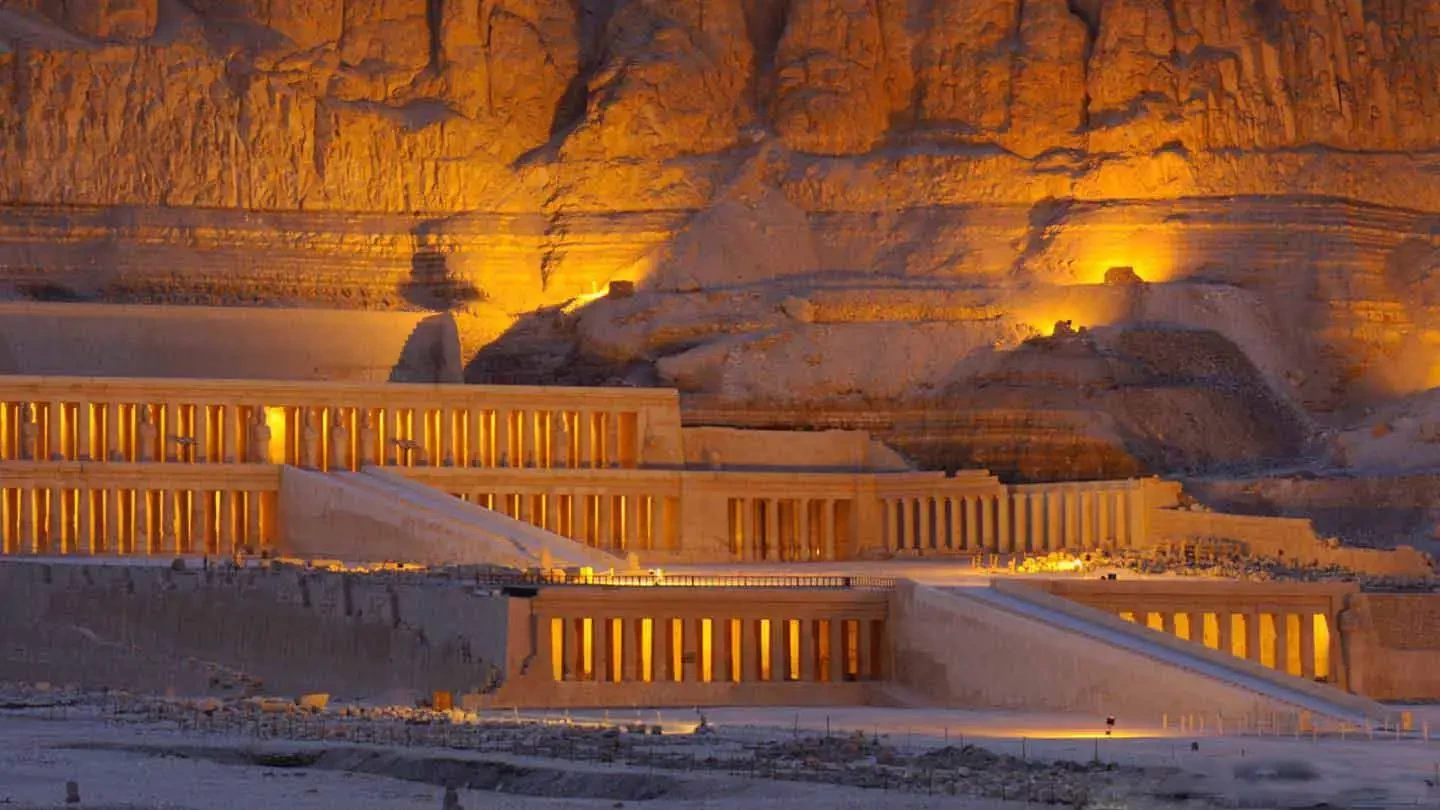
Night time is actually the most effective time to see Luxor Temple among the very most beautiful celebrations at night. The landmark is actually exceptionally lit at night, creating the columns, particulars as well as sculptures glow! The overall atmosphere in the evening could not be more different as it is compared to during the daytime. The lighting is very strategic, underlining the magnitude of the architecture and provides an interesting photographic background. If your schedule allows, consider visiting Luxor Temple in the evening or returning after exploring it during the day.
.png "Partner")

.png "Partner")
.png "Partner")

.png "Partner")