
Abu Simbel Temples: A Wonder of Ancient Egypt
The Abu Simbel Temples of southern Egypt near the border of Sudan are perhaps Egypt's best known ancient monuments. These temples were carved out during the reign of Ramses II and contain some of Egypt's most grandiose works of art in gigantic rock cut structures. Aswan tours offer visitors an excellent way to explore these remarkable monuments.
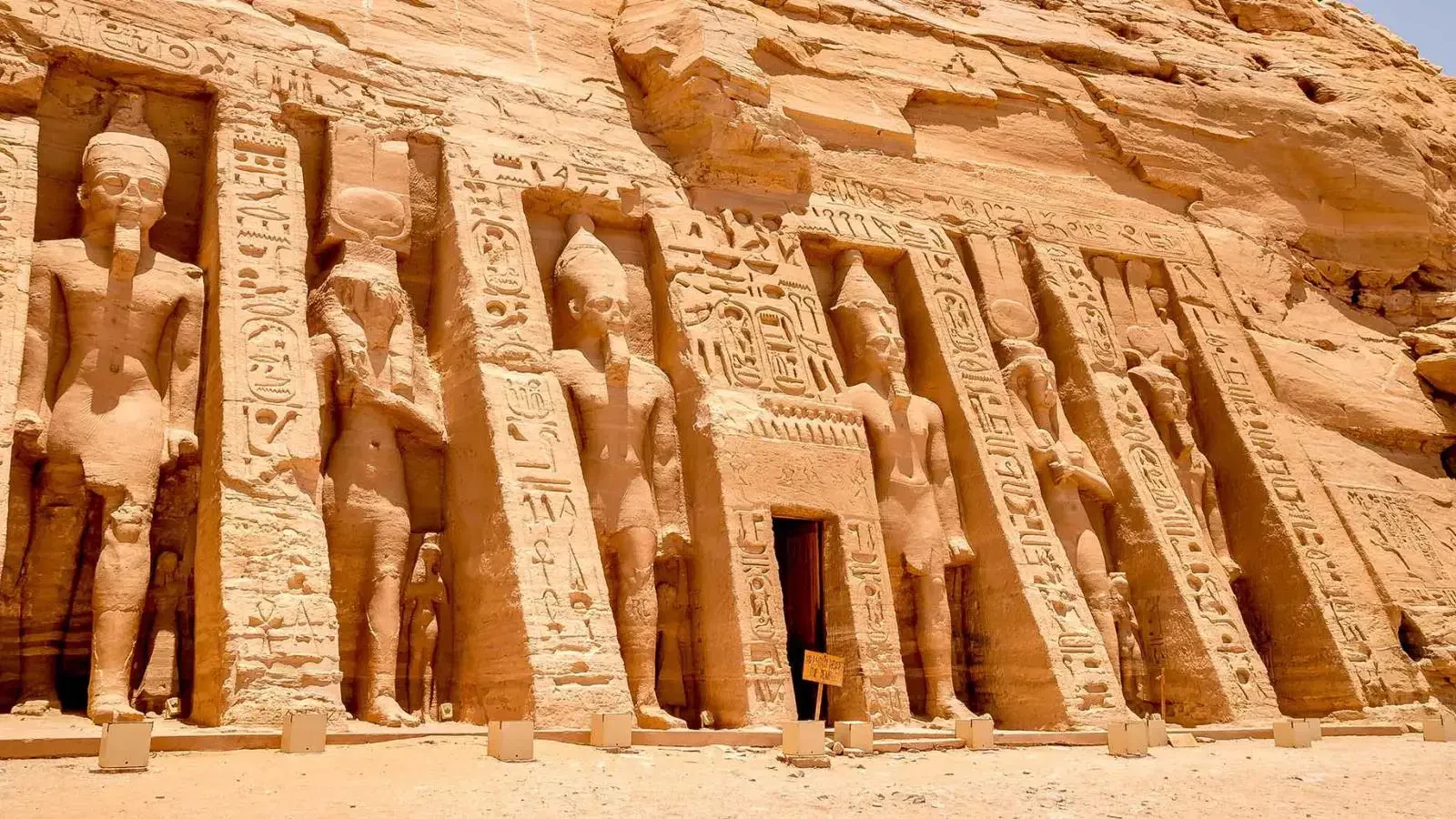
Consisting of two distinct rock-cut temples the structure contains the Great Temple of Ramses II and the Temple of Queen Nefertari. Both are adorned with intricate art and writings depict aspects of ancient Egyptian religion and royal life throughout history.
The modern history of the Abu Simbel Temples also is a noteworthy fact to discover as the temples were moved in the 1960s to save them from inundation from Lake Nasser and the Aswan High Dam. Their rescue was perhaps the most magnificent accomplishment in the history of modern archaeology and site preservation. Visiting these monuments can be one of the great trips you can take when visiting southern Egypt.
Abu Simbel Temples: A Complete Travel Guide
The Abu Simbel Temples are among the most impressive monuments of ancient Egypt. Located in southern Egypt, not too far from the Nasser Lake. Built into the natural rock as well as using the rock itself for statuary, they are very impressive with giant statues, fine carvings and a deep linkage with Ramses II and Queen Nefertari. An Abu Simbel Day Tour is a great way to explore these remarkable ancient temples.
A trip to Abu Simbel should be very unforgettable experience for people who travel in south Egypt.
Where Are the Abu Simbel Temples?
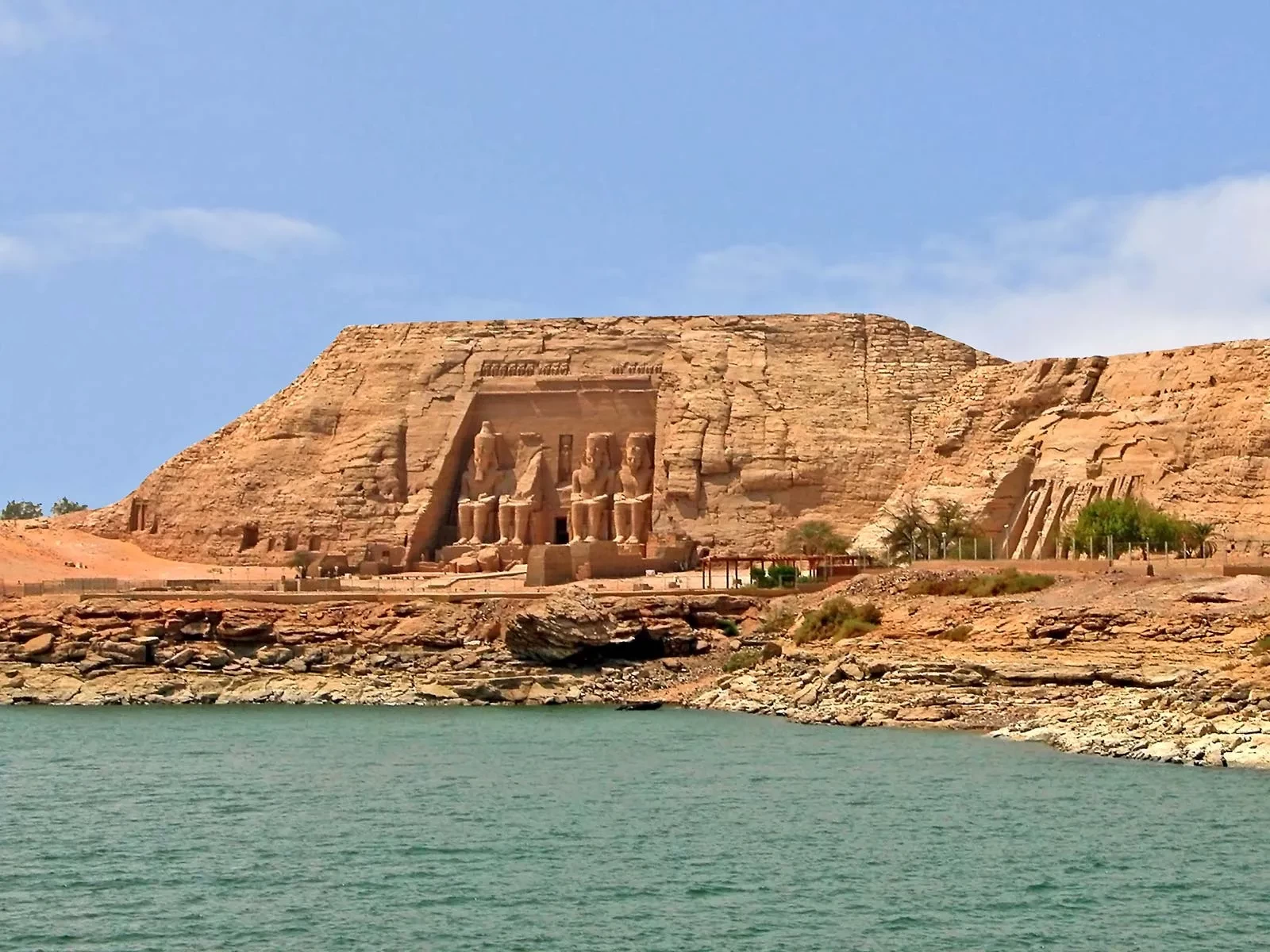
The Abu Simbel temples are situated in Southern Egypt, close to the present border with Sudan, on the western banks of Lake Nasser. Situated in Nubia they can either be included on an excursion to Abu Simbel from Aswan.
It is this slight obscurity that contributes so much to the experience of visiting Abu Simbel, a wonder that can either be accessed by road or air on an excursion from Aswan.
History of Abu Simbel Temples
The Abu Simbel Temples were constructed during the rule of the world-famous pharaoh, Ramses II, throughout which two main temples were excavated. The work began around the 13th century B.C. creating a remarkable and grand temple complex solely to emphasize the power of the pharaoh and demonstrate the dominance of the gods. They consist of the great temple of Ramses II accompanied by certain major gods, and the second great temple of Nefertari, also containing the worship of the goddess Hathor. The awe-inspiring faades and rich decorative interiors have captivated tourists for millennia.
The Great Temple of Ramses II
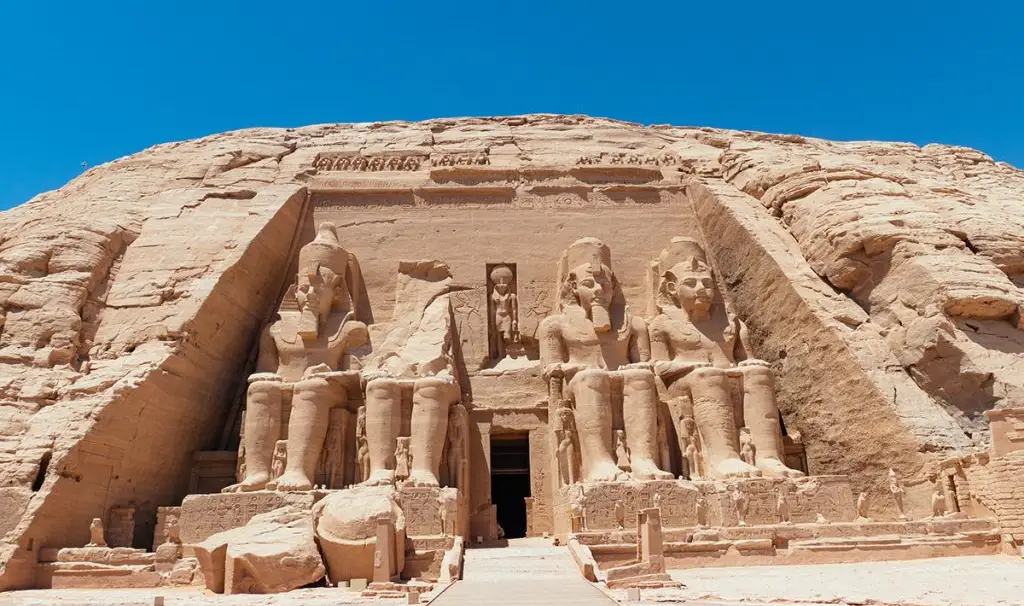 The Great Temple of Ramses II is probably the most famous element of the Abu Simbel complex. At the entrance are the colossi statues, carved from the rock face, showing Ramses II in a seated position.
These statues are indicative of the Pharaoh's stature and authority, forming one of the most unforgettable images within Egypt. Near the statues are the much smaller figures of the royal family, in accompanying poses, as you can see with statures and miniature ones alongside it.
The interior comprises the inner sanctuary and large hypostyle halls filled with a great many Egyptian hieroglyphics and inscriptions which detail scenes from both warfare and religious ritual.
The Temple of Queen Nefertari
The second building and next to the Great Temple is the Temple of Queen Nefertari, which is dedicated to the queen and goddess Hathor. The facade also displays huge statures of the pharaoh and queen. It's interior walls have been carved with beautiful reliefs of Nefertari standing in the presence of the gods and other divine settings; though smaller than the main Temple it is one of the finest sites as well as another great testament to queens within the pharaohdom of ancient Egypt.
What to See at Abu Simbel Temples
There are several highlights to discover during your visit.
1. The Colossal Statues
The giant statues of Ramses II that guard the entrance of the Great Temple, are, of course, Abu Simbel's prime reason for fame. Their scale and mastery of craftsmanship offer compelling evidence of the great talents possessed by the ancient Egyptian artists and architects who built them.
2. Ancient Reliefs and Inscriptions
The interior of the Great Temple consists of detailed relieves and inscriptions that detail images of the Gods, and of ceremonies relating to the worship of the gods, but these includes regal affairs and some images of successful campaigns of war.
3. The Great Hypostyle Hall
Visitors should not miss walking through the Grand Temple into the Great Hypostyle Hall with its giant statues and vivid reliefs. The size of the hall and its vivid decoration provide a dramatic feeling and a reflection of the size of the temple.
4. The Temple of Nefertari
A second impressive reason for visiting Abu Simbel is The Temple of Nefertari; the smaller temple with this dedicate to the Queen Nefertari and to Hathor. The wall decorations in its chambers and some imposing statues create an amazing reason in the list to get a visit in Abu Simbel.
5. Lake Nasser
The temples are situated on the bank of Lake Nasser, providing visitors an impressive outlook and background; the contrast between the ancient temples the dessert and the blue water is incredible and gives a great panorama and photograph location.
Abu Simbel Temple Relocation
One of the most remarkable stories connected with Abu Simbel is the relocation of the temples.
When the waters of Lake Nasser began to rise as a result of the Aswan High Dam, the temples were in danger of being submerged. A monumental international conservation project was mounted to save the monuments.
During the 1960s and 1970s, the temples were carved into enormous pieces and moved higher, where they were reassembled, recreating the original site and orientation of the structures. The saving of Abu Simbel remains one of the most extraordinary archaeological achievements of modern times.
The Sun Festival at Abu Simbel
The second known characteristic of Abu Simbel is its mysterious solar phenomenon. Twice per year the sun appears directly in the depths of the Great Temple where it casts a beam on various interior statues.
This phenomenon is related to the original design of the temple and clearly outlines the astronomical knowledge possessed by ancient Egyptian architects. It also attracts spectators who want to discover this ancient Egyptian treasure, and learn about the link between the monument and the movement of the sun.
.png "Partner")

.png "Partner")
.png "Partner")

.png "Partner")