Crocodile Museum: Discover Ancient Egypt’s Sacred Crocodiles in Aswan
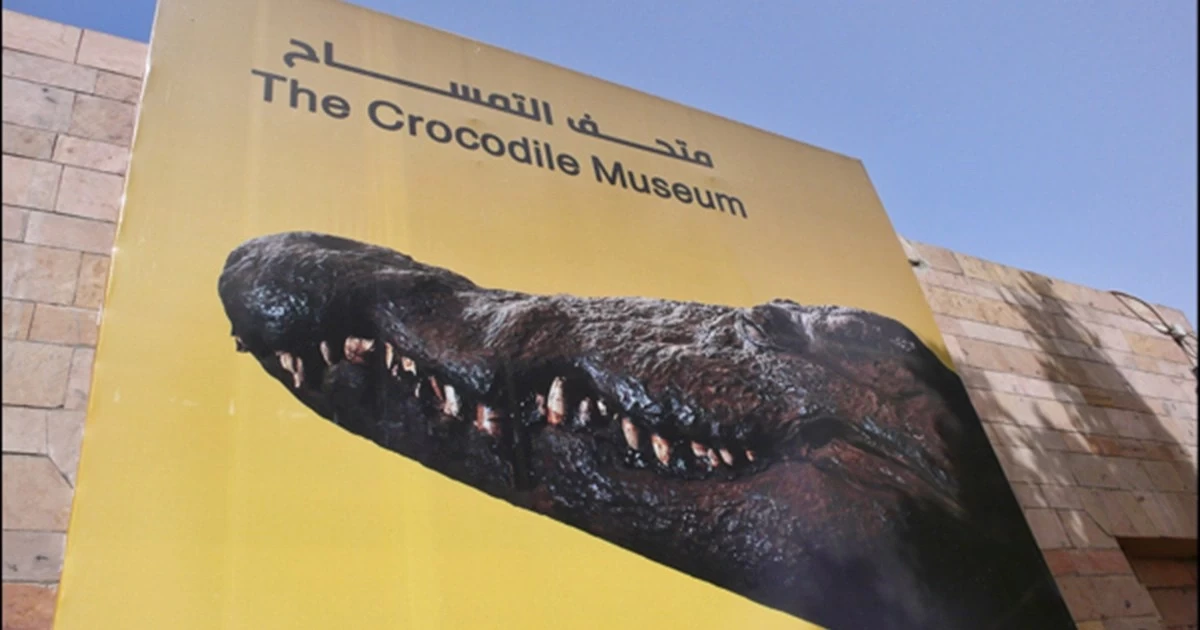
Egypt is famous for its monumental temples, royal tombs, and extraordinary stories from the ancient world, but some of its most intriguing history can be found in unexpected places. The Crocodile Museum in Kom Ombo, Aswan, offers visitors a remarkable glimpse into the spiritual relationship between ancient Egyptians and one of the Nile’s most powerful creatures.
Where Is the Crocodile Museum in Aswan?
The Crocodile Museum is located in the town of Kom Ombo, which lies to the north of Aswan in the eastern part of the Nile river valley. Its location is very convenient since it belongs to the archaeological area of Kom Ombo Temple and you may visit them both during one trip.
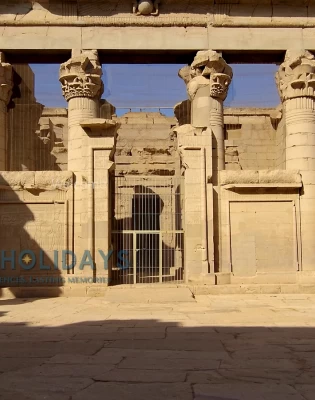
In Kom Ombo you will see a unique double temple dedicated to the main gods Sobek and Horus the Elder. The Crocodile Museum supplements this temple by displaying the information about crocodiles and their significance in the religion of ancient Egypt.
This place will be great to visit while traveling to Egypt since it is a good addition to Egypt tours and even a stop on the way from Aswan or Nile cruise tour.
Sobek and the Sacred Crocodile in Ancient Egyptian Religion
To comprehend the Crocodile Museum one should learn about Sobek, the deity depicted with a crocodile’s head and the body of a person who had an important role in ancient Egyptian religious practices.
Sobek was considered a god of water, fertility, protection, and forces of nature. Ancient people feared the crocodiles because of their great size and aggressiveness. But worshipping Sobek gave a spiritual explanation of such dangerous creatures and protection from the powers they possessed.
Kom Ombo is the center of Sobek’s cult and the religious landscape around shows the strong connection between river, agricultural practices and the divinities. The crocodile was more than just an animal in this landscape. It was a symbol connected with many religious ideas.
Crocodile Mummies and the Museum’s Remarkable Collection
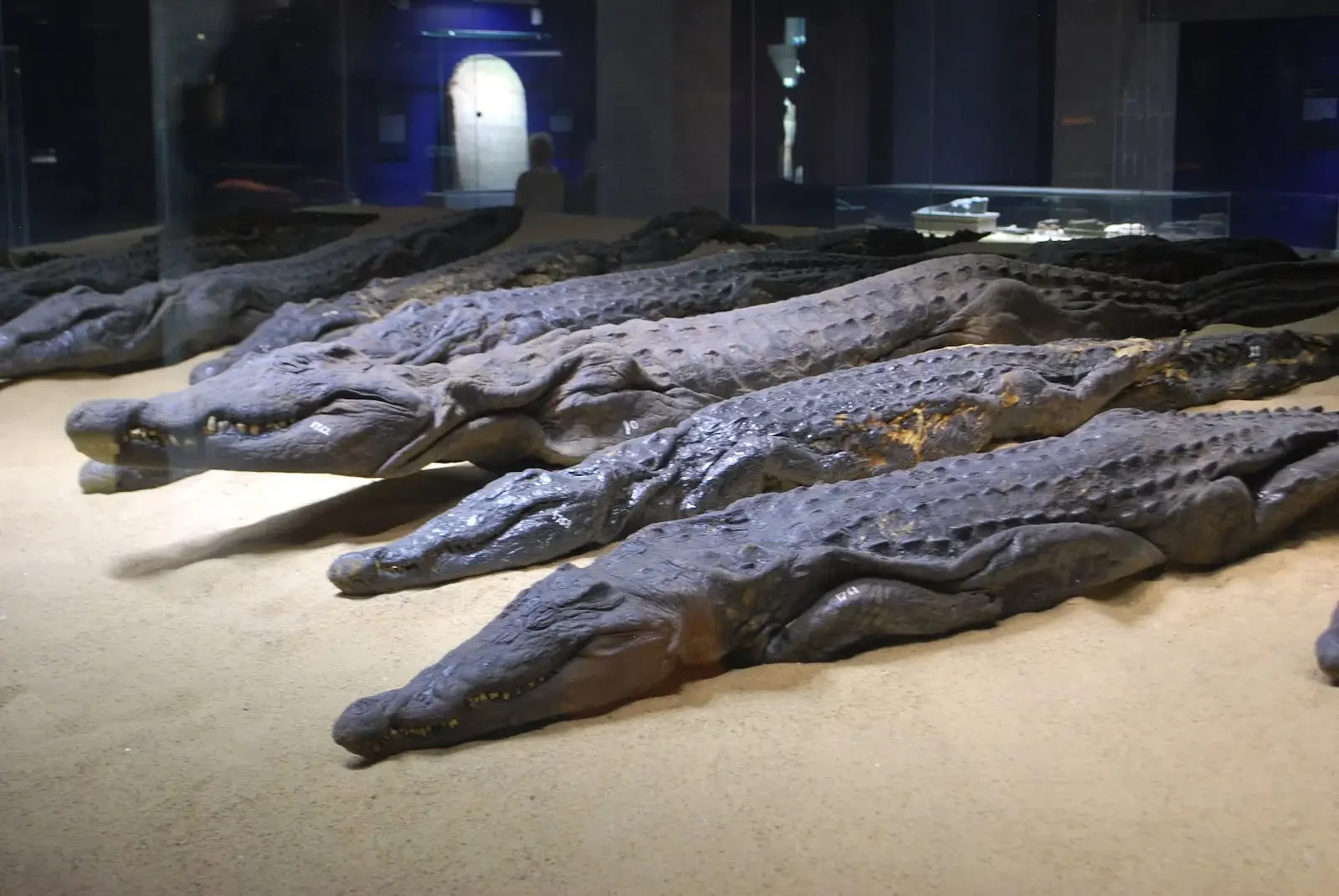
Perhaps one of the most vivid exhibits at the Crocodile Museum is represented by the mummies of crocodiles. These animals give an example of how ancient Egyptians used live animals for worship rituals.
The process of animal mummification was an essential part of ancient Egyptian worship. In certain religions, there were certain deities with which animals were connected, and the mummies of these animals were used as an offering. Crocodiles' mummies found in Kom Ombo prove the importance of Sobek as a deity and traditions formed around his worship.
In the Crocodile Museum, visitors have the opportunity to see mummies of crocodiles and other archaeological finds telling about this process. The size of these mummies, their state, and unique appearance make them interesting both for families, historians, photographers, and everyone interested in ancient burial rites. Visitors can also discover this remarkable collection as part of aswan day tours, combining cultural exploration with the history of ancient Egypt.
What Makes the Crocodile Museum a Unique Cultural Experience?
Crocodile Museum in Kom Ombo provides a unique chance to get familiar with another side of Egyptian antiquity. Instead of usual archaeological museums with exhibits related to royal treasures, statues or grave goods, this place will provide visitors with information about the cult of crocodiles and their importance in the spiritual beliefs of people living in the Nile Valley.
People will be able to see how crocodiles were kept in ancient times, why they were associated with god Sobek, and how the environment had affected the spiritual life of people. The collection in this museum helps to connect archaeological findings and mythology of the era.
The location of the museum near Kom Ombo Temple allows tourists to have a tour in two places connected to each other within one day. Thus, it will be interesting for people who are interested in history, mythology or culture of Egypt. Visitors exploring aswan attractions can include the Crocodile Museum in their itinerary for a deeper understanding of ancient Egyptian heritage.
-M-S-Renaissance-Nile-cruise-(4)-home-package-card-315.webp)