
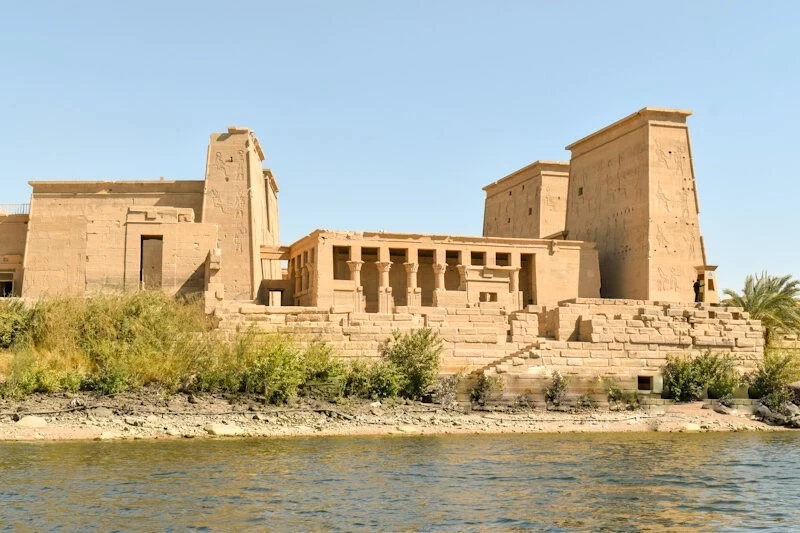
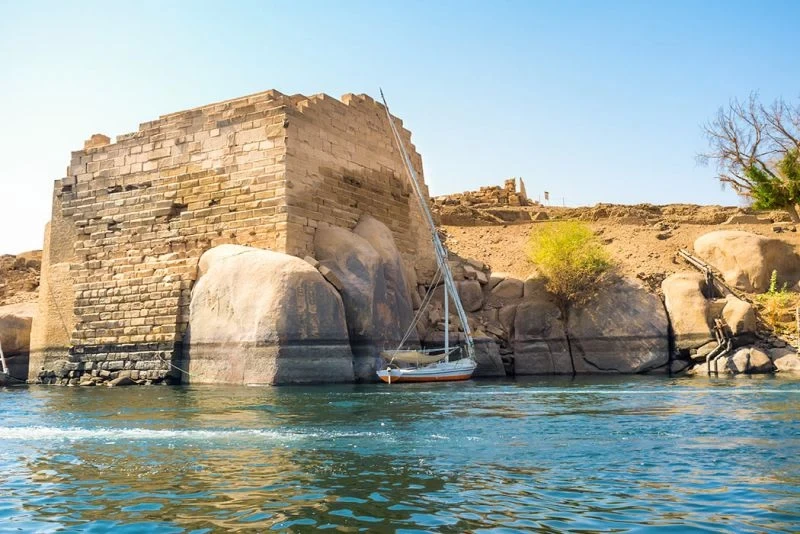
Elephantine Island Aswan
The island Elephantine of Aswan, lying close to the first cataract was the first administrative and trade post and a religious centre, being the link between Nubia and Egypt. Remnants are the ancient houses, temples, a Nilometer and a museum; Moreover there are excellent Nile views from the island, a strong Nubian connection.It can also be included in Aswan Day Tours for travellers who want to discover the historical side of the city and its surrounding attractions.
Elephantine: Egypt's Southern Gateway
Elephantine Island was not only an important part of Aswan during the time when Aswan was not yet established as a popular holiday destination but also an important center within the frontier of Egypt.
Being located near the first cataract, Elephantine became the bridge between Egypt and Nubia and the door for commerce and traveling.
This island is not only known to be one of the religious centers but also an active town where administration, trading and everyday life were developing near the River Nile.
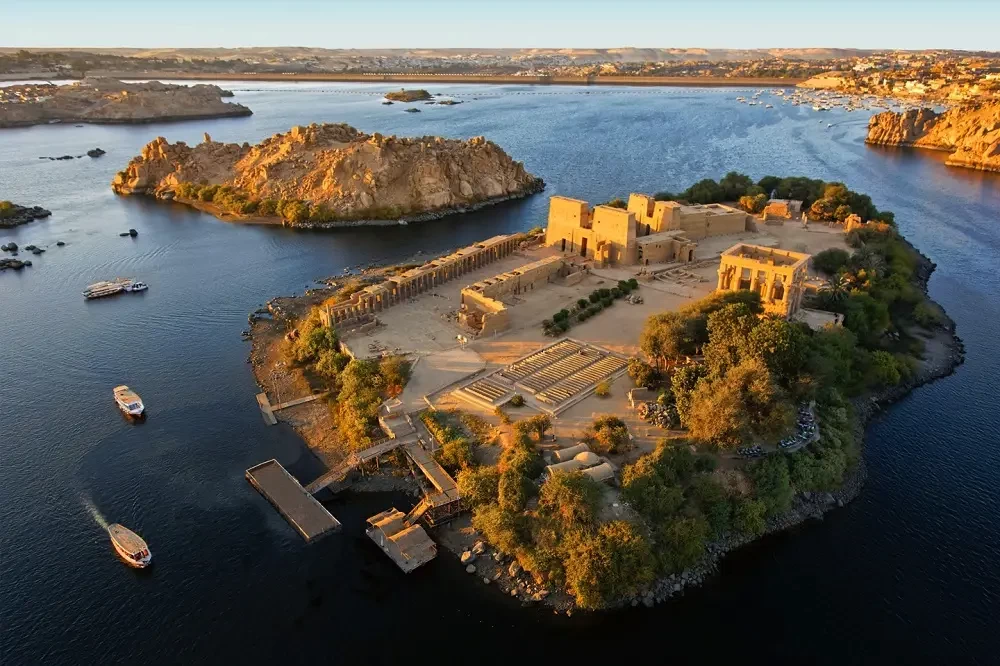
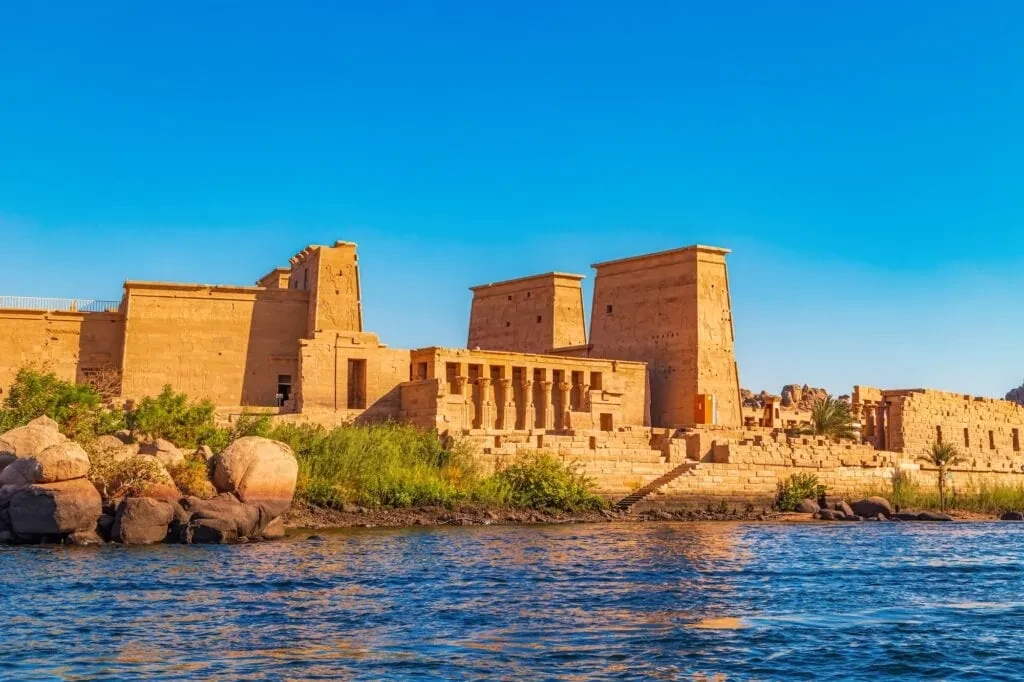
Its location allows it to be combined with a trip to Elephantine with other significant attractions of Aswan, such as Philae Temple located on the island that lies to the south and can be reached by boat.
Life Around the Temples of Khnum and Satet
Religious life on Elephantine had a close connection with the Nile River. It should be noted that the island was related to Khnum, who was considered the god of the annual flooding of the Nile, and Satet, who was connected with flooding and with the protection of the southern borders of Egypt. Temples of both deities played an important role in the religious life of the island.
Temple of Khnum is considered one of the most significant archaeological sites on Elephantine Island. According to official information of the Egyptian tourism authorities, there were also remains of the Temple of Satet, which was rebuilt in the 18th Dynasty by Hatshepsut and Thutmose III. In other words, Elephantine preserves the traces of various periods of Egyptian history.
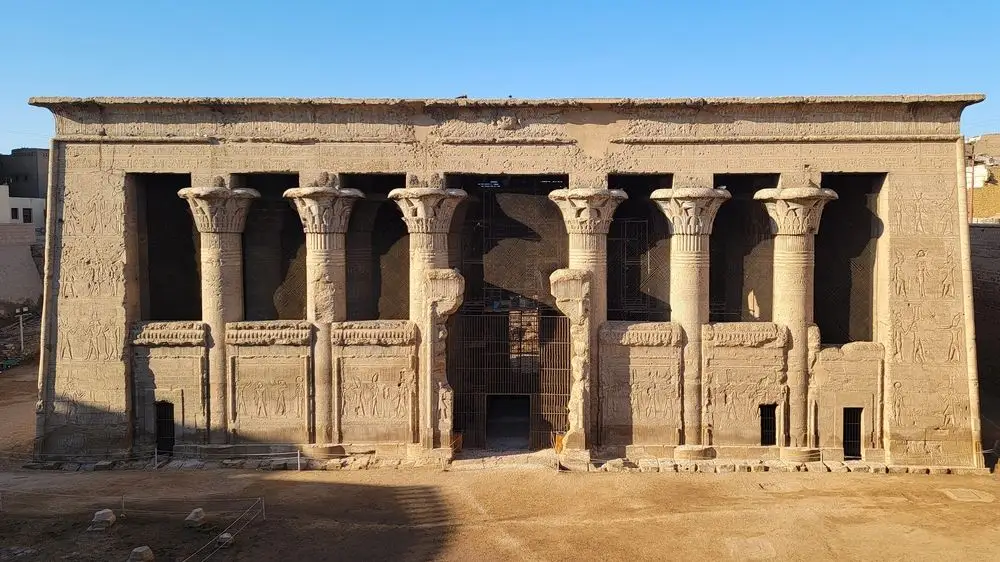
Also, Elephantine was connected with the whole triad of Khnum, Satet and Anuket, which had the same name - the Elephantine Triad. In this regard, their connection testifies to the importance of the Nile River and its water resources for ancient Egyptians. For tourists, the remains of the temple provide much more than just stones.
What Archaeology Reveals About Elephantine
Among the most fascinating aspects about Elephantine Island are the archaeological findings in addition to the temples. Ancient buildings, houses and religious monuments have been excavated and provide information about the way the community has evolved through time. There is a museum on the island where all the artefacts that were excavated are on display and provide a better understanding of the ruins and the lifestyle of the people who once lived there.
Evidence of trade and transportation is another feature that one can see in Elephantine Island. The El-Ahly Quay is thought to have been employed for the transportation of large blocks of stone from the southern quarries. In other words, the Nile River was an important trade route at the time.
Elephantine is also among the notable Aswan attractions for travellers interested in discovering the archaeological and historical side of the city.
Reading the Nile Through the Nilometer
Nilometer located on Elephantine Island exemplifies how significant was the River Nile in ancient Egypt. Through measurement of the water level of the river, the communities were able to determine how strong the Nile floods would be since it played a crucial part in farming and survival. Being located within the ruins of the island and also temples of Khnum and Satet, Nilometer signifies the close relation between the religion, farming and the river. The Nile was not just a landmark; it played an important role in the economic and cultural life of the region.
.png "Partner")

.png "Partner")
.png "Partner")

.png "Partner")