
Monastery of St. Simeon in Aswan: History & Visitor Guide
Discover the Monastery of St. Simeon at Aswan as it offers the opportunity to experience one of the sites of earliest Christianity of Egypt. Read about its history, architecture, spiritual meaning and relation to the River Nile; learn useful information and you will want to include it as part of any Aswan tour.
Monastery of St. Simeon in Aswan: History and Travel Guide
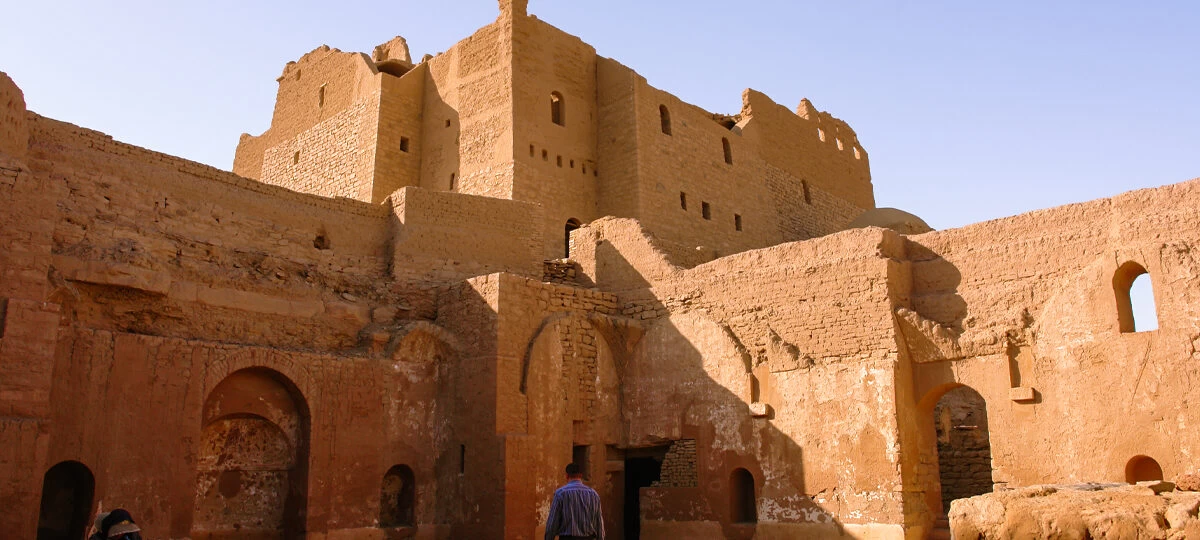
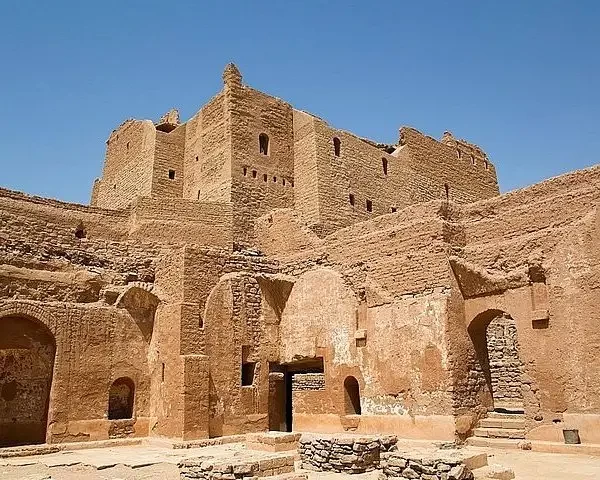
The Monastery of St. Simeon at Aswan is the most intriguing Christian ancient ruin in the southern part of Egypt. As a historic Christian location on the West bank of Nile river in the south of Egypt. Aswan's ancient monastery provides glimpses to religious and traditional Egyptian Coptic Christianity and history.
Situated amid the sandy environment of Aswan city, the monastery gives tranquil visit away from the bustling streets. Stone walls, ancient churches, relation to St. Simeon the tanner will make the attraction to any visitor.
Where Is the Monastery of St. Simeon in Aswan?
The Monastery of St. Simeon is located on the west bank of the Nile, on the west bank of the river not far from the site of Qubbet el-Hawa, high up in desert surroundings and with views of the surrounding desert and of the river Nile that will not disappoint. The location is quite accessible too, with visitors taking the ferry from Aswan to the other bank of the river and traveling from there to the site.
History of the Monastery of St. Simeon
The Monastery of St. Simeon is thought to be tied to the name of St. Simeon the Tanner, also a figure of importance in the world of Coptic Christianity, and that this was where he founded the first Christian monks of the region, or where at least Christianity flourished with them, being set up as a monastery where religious communities lived.
Over time the monastery grew, expanding through a couple of different construction phases and it can be seen today how this was added to by churches, cells in which the monks slept and where they were supported to worship as well as surrounding walls and even more buildings to try and support the religious activities. It is certainly seen now as an incredible insight into Christianity's spread within the area and why those visiting the country make it an essential stop.
What to See at the Monastery of St. Simeon
There are a few interesting things that visitors can see when looking around at the Monastery of St Simeon in Aswan.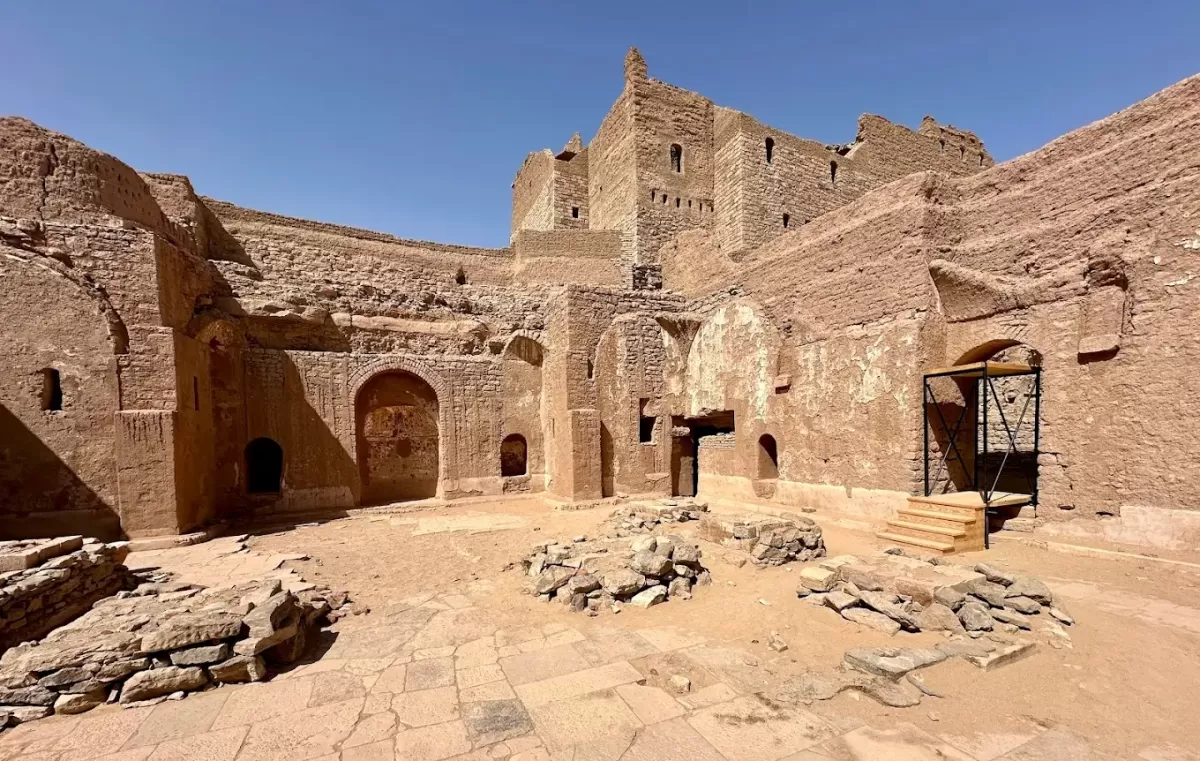
1. The Ancient Church
The monastery contains a church, which is one of the primary features that you can still see there today. Made out of stone, its architecture provides a look back into how everyday religious life was conducted.
2. The Monastery Walls and Buildings
The remains of the monastery have a lot to be seen within the buildings and the surrounding walls show the way in which the monastery would have worked. They lead you through the different rooms and corridors.
3. Coptic Christian Heritage
The monastery offers great insight into the Coptic Christian faith found throughout Egypt. You'll discover more about its traditions, buildings and monkish way of life.
4. Desert and Nile Views
This is probably the main memorable part of visiting this particular monastery. From its position on the hill you can see the Nile, the desert and much of the town of Aswan.
5. St. Simeon the Tanner
St. Simeon the Tanner connects an important religious aspect to the monastery and his history is interesting to discover to understand why this place is considered sacred in Coptic tradition.
Why Visit the Monastery of St. Simeon?
St. Simeon's Monastery in Aswan is a different prospect compared to its prominent ancient Egyptian temple counterparts. In contrast to the colossal scale of pharaonic structures you can explore a significant piece of Egypt's Christian past.
The combination of old stones, religion, the desert as a backdrop and views of the Nile makes the monastery a value stop for anyone in search of culture and history in Aswan.
Monastery of St. Simeon and Aswan Tours
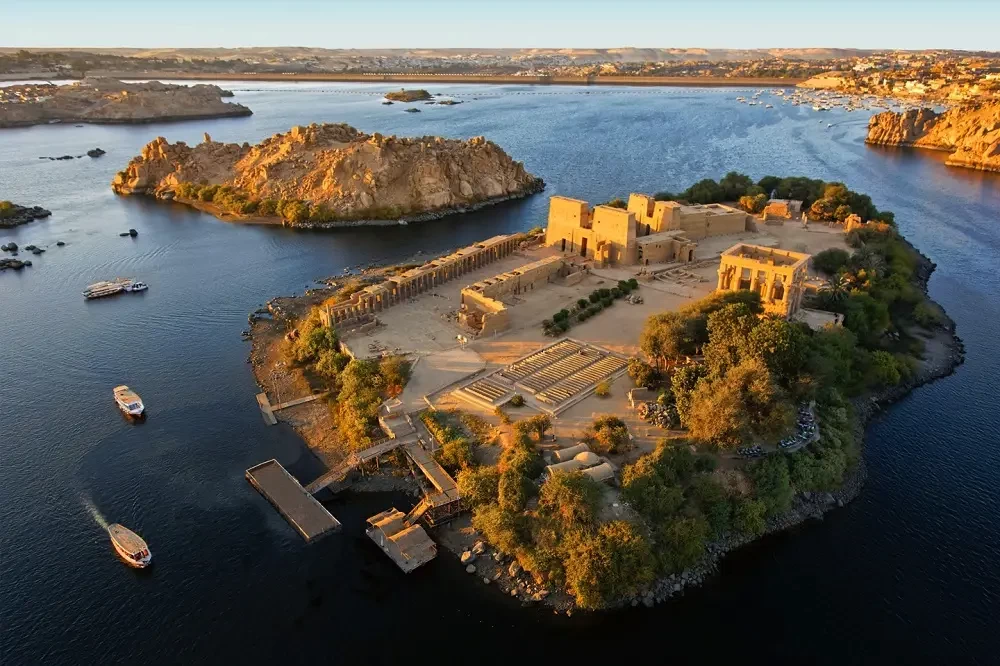
A monastery of St. Simeon added to a tour of Aswan is a good idea and allows you to enjoy the other antiquities of this amazing city, both Egyptian and Nubian, as well as its Christian side. These monasteries can be added to a west bank tour alongside some of Aswan's other monuments, enabling you to pack as much of its history into one trip as possible.
.png "Partner")

.png "Partner")
.png "Partner")

.png "Partner")