
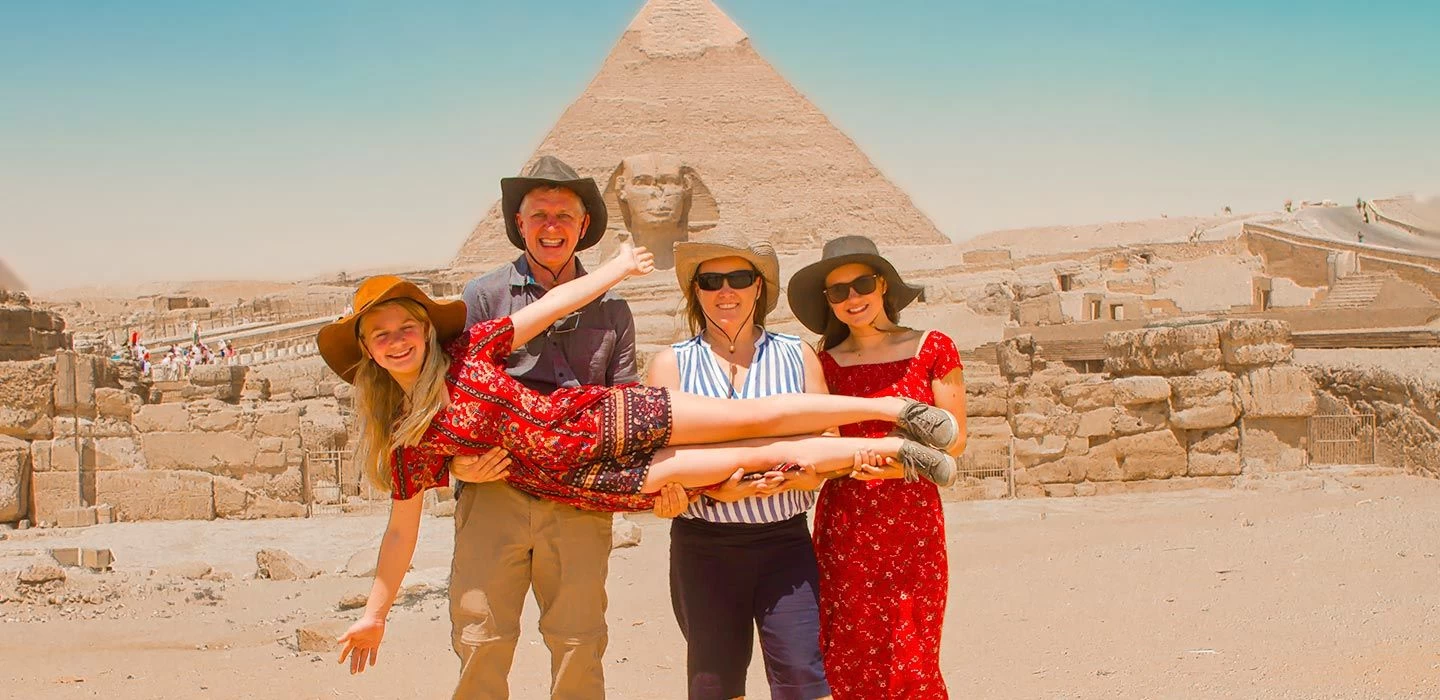
The Pyramids of Giza are famous ruins from ancient Egypt. Lots of travelers go to Egypt mostly to see them. They stand on the Giza Plateau, not far from Cairo. On the grounds you can walk around the Great Pyramid of Khufu, the Pyramid of Khafre, and the Pyramid of Menkaure. You can also go and look at the Great Sphinx. There are other old remains there as well.
If you are there for the first time, the plateau may feel very large. At first, it can be tough to know where to focus your eyes. After you read a bit about the pyramids, you may spot ways they are not the same. Then you can better understand what you can visit now. This Egypt Travel Guide explains the main points, notes the most important sites, and lists simple tips for planning your day.
What are the Pyramids of Giza?
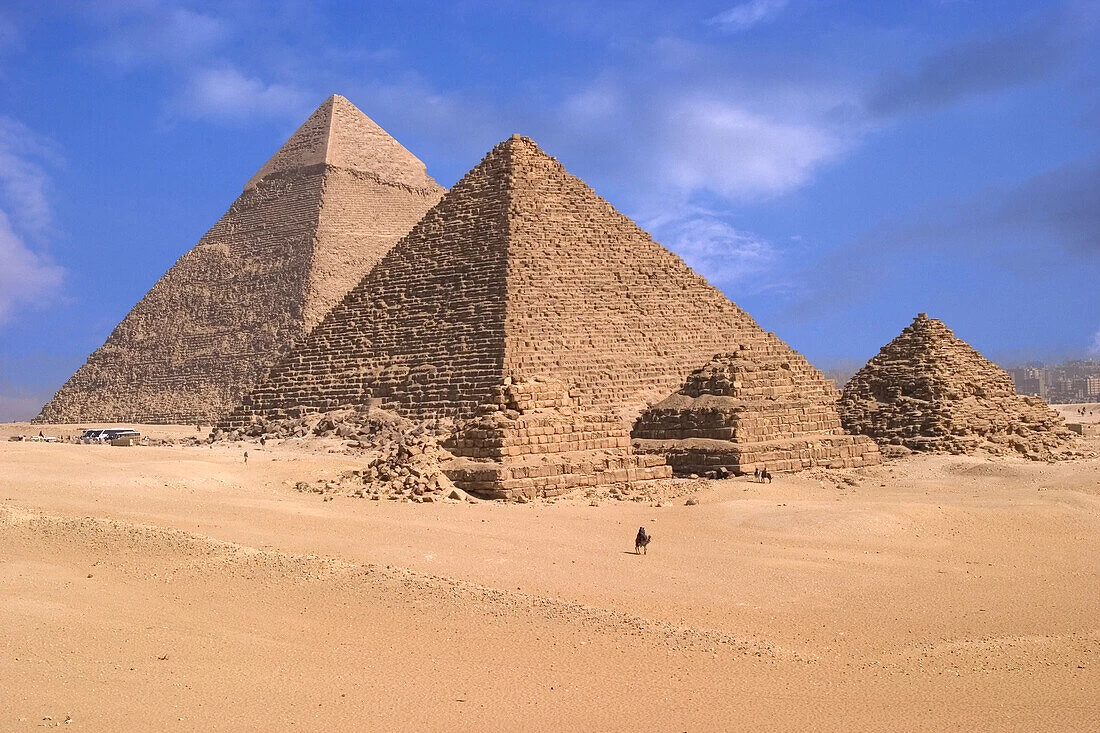
These Pyramids of Giza were built in Egypt during the Fourth Dynasty and served as the royal burial places for the Pharaohs Khufu, Khafre, and Menkaure. Of these, the Great Pyramid of Khufu is the oldest as well as the largest; Khafre's pyramid is the structure to be identified with the remnants of casing stones which have remained at the summit and;Menkaure's pyramid is the smallest.These were not built in isolation. They belonged to a larger construction and in the greater Giza monument can be foundtemples, causeways and other buildings integral to the royal burial practices and to the theology and religious thought of ancient Egypt.
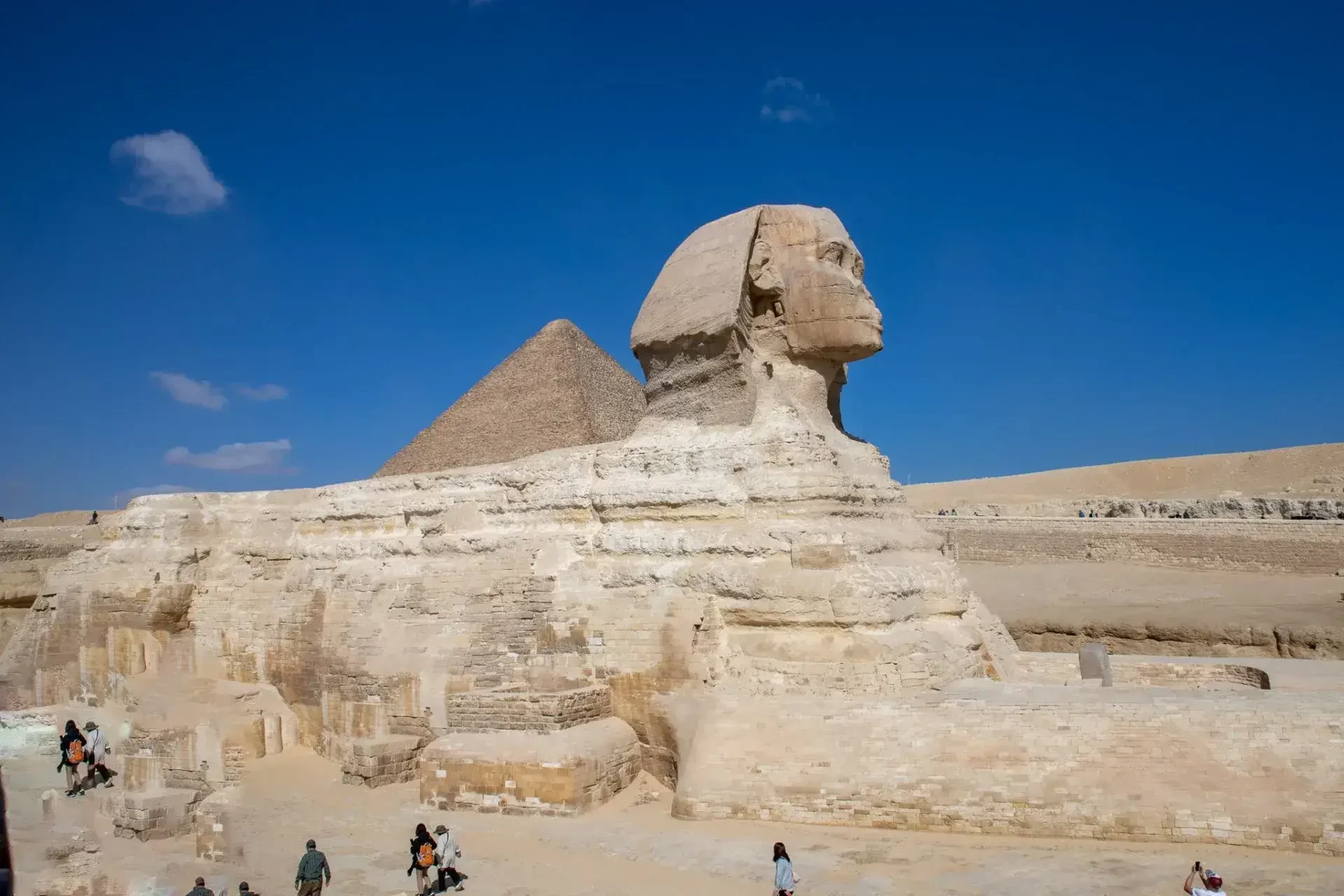
Close to the complex of King Khafre are also found the limestone statue with the body of a lion and the head of a human by the name of the Great Sphinx. It is situated at the northern edge. It is said to be positioned at the location which is associated with Khafre, because it is located near to the Valley Temple.
To date, it is one of the key attractions of Giza. Most travelers put this in their itineraries if they have opted to explore the ancient Egyptian history.
History of the Pyramids of Giza
The Pyramids of Giza are over 4,500 years old and belong to the Fourth Dynasty of ancient Egypt. The biggest was built for King Khufu, known as the Great Pyramid. It initially stood at approximately 146.5 meters but was then the tallest building made by humans for the world.
It was later that the Pyramid of Khafre, who was Khufu's son, would rise above and become its closest companion, although less than the largest of the three.
At the top of the building, where many see remaining traces of old smooth limestone casing, which helps tell the pyramids apart in group shots-it can, at best, be tricked into near-equality height-wise, because it is built on raised ground higher up, not because of its size. The last of the three was built for Menkaure, whose pyramid is far smaller than the other two, and many of whose building had used granite. These structures were, all three together, a burial site for royals that most still name as among the foremost monumental structures of ancient Egypt. Engineering this required a lot of organization; construction workers had to be trained, stone moved by great numbers, while transport and planning went into building it.
Many steps involved in the Great Pyramid remain elusive, yet work there can be done step-by-step; step 3 in the step-by-step building on Great Pyramid is completely unbeknown to people in the present day.
What You Can See at the Giza Pyramid Site
A trip to the Giza Pyramid Complex is more than just views from outside. Your ticket choice and what is open on your dates can affect what you are allowed to enter and where you can walk.
Great Pyramid of Khufu
The Great Pyramid is the biggest pyramid at Giza. Many people come here first. Inside, there are multiple chambers and hallways, such as the Grand Gallery and the King’s Chamber. You need an extra ticket if you want to go in.
Pyramid of Khafre
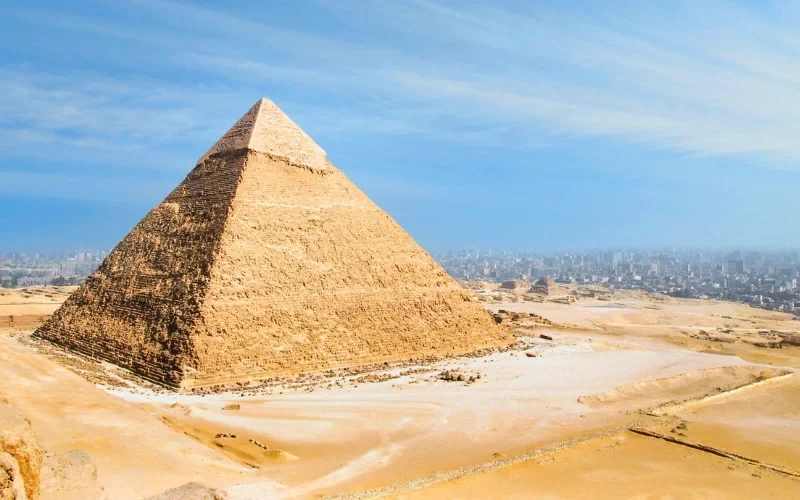
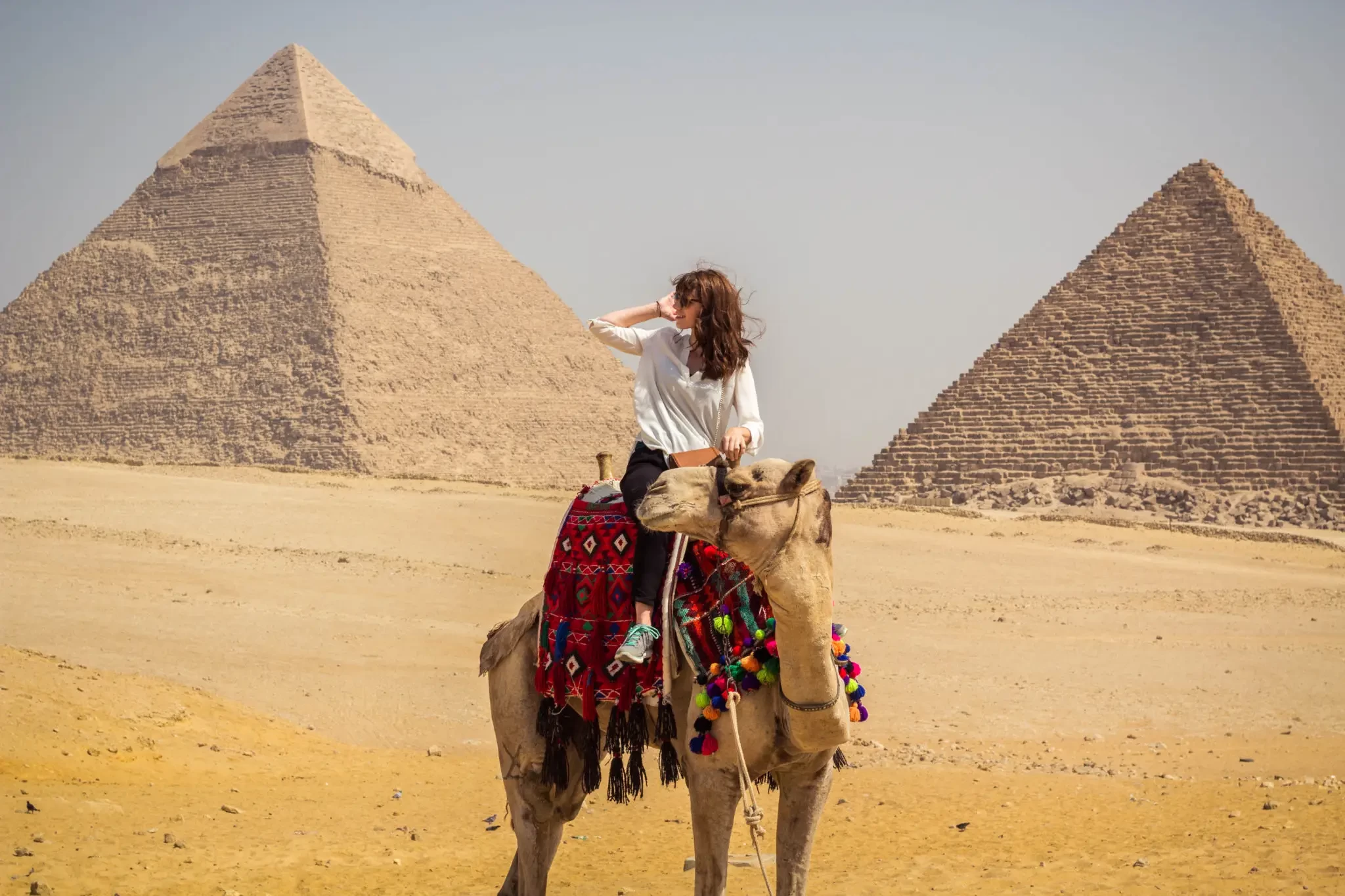
Khafre’s Pyramid is the second-largest pyramid at Giza. It sits on higher ground than the nearby structures. You can also still see some casing stones near the top. That is why it often looks the most striking on the plateau.
Pyramid of Menkaure
Menkaure’s Pyramid is the smallest of the three major pyramids. It is not as tall as the others. It also uses more granite in its build, which makes it feel different compared to Khufu and Khafre.
Great Sphinx
The Great Sphinx is close to the pyramid complex of Khafre. It is shaped with a lion’s body and a human head. The form was carved out of the natural limestone bedrock.
These stops together are part of why the Giza Plateau is seen as one of the key Giza attractions for people drawn to ancient Egypt.
Why You Should Go to the Pyramids of Giza
The Pyramids of Giza let you view major monuments from ancient Egypt in one place. The area makes it easier to notice how the three pyramids relate to each other. You can also walk near the Great Sphinx. There is plenty to learn about royal burials and how the buildings were arranged to form a larger site.
If this is your first visit to Egypt, Giza is a smart place to begin. From here, you can keep going to other well known stops. Saqqara is close by in spirit and history. Memphis is another option you can add to your trip.
If you want a longer plan across the country, Rich Holiday provides travel services for Cairo and other historic locations. Putting the Giza Plateau into your Egypt Travel Guide helps you use your time wisely in and around Cairo. You get a key sight without rushing.
You may come for ancient history. You may focus on architecture or take photos. Or you may simply want to see the pyramids in person. Either way, the Giza Plateau fits well on an Egypt trip.
Pyramids of Giza Visitor Guide: Tickets, Hours & Tips
Before visiting the Pyramids of Giza, it is useful to plan your time because the plateau includes several monuments and some areas require additional tickets.
The official Ministry of Tourism and Antiquities lists separate access for the Giza Plateau and additional tickets for the Great Pyramid, Pyramid of Khafre, and Pyramid of Menkaure. Opening hours and ticket information can change, so check the official information shortly before your visit.
Best Time to Visit the Pyramids
Going in the morning is often easier on your body, mainly in the hotter parts of the year in Egypt. If you arrive early, you can walk around the plateau before the biggest crowds show up.
How Much Time Will You Need?
Plan on at least a few hours if you want to see the three pyramids, the Sphinx, and nearby sights without rushing. If you want to go inside one of the pyramids, give yourself more time for that part too.
What to Pack
Wear shoes that feel right on your feet. The ground out there can be hard in places and not even. Go with lighter clothes when it gets hot.
Also pack sunglasses and sunscreen. Bring enough water so you do not run out.
Do you need a guide?
A local guide can explain what you are seeing and point out key spots. If you prefer things handled for you, Egypt Day Tours and Cairo day tours can be a good option since transport and sightseeing are arranged in advance.
-home-package-card-315.webp)
.png "Partner")

.png "Partner")
.png "Partner")

.png "Partner")