
Explore Kalabsha Temple in Aswan
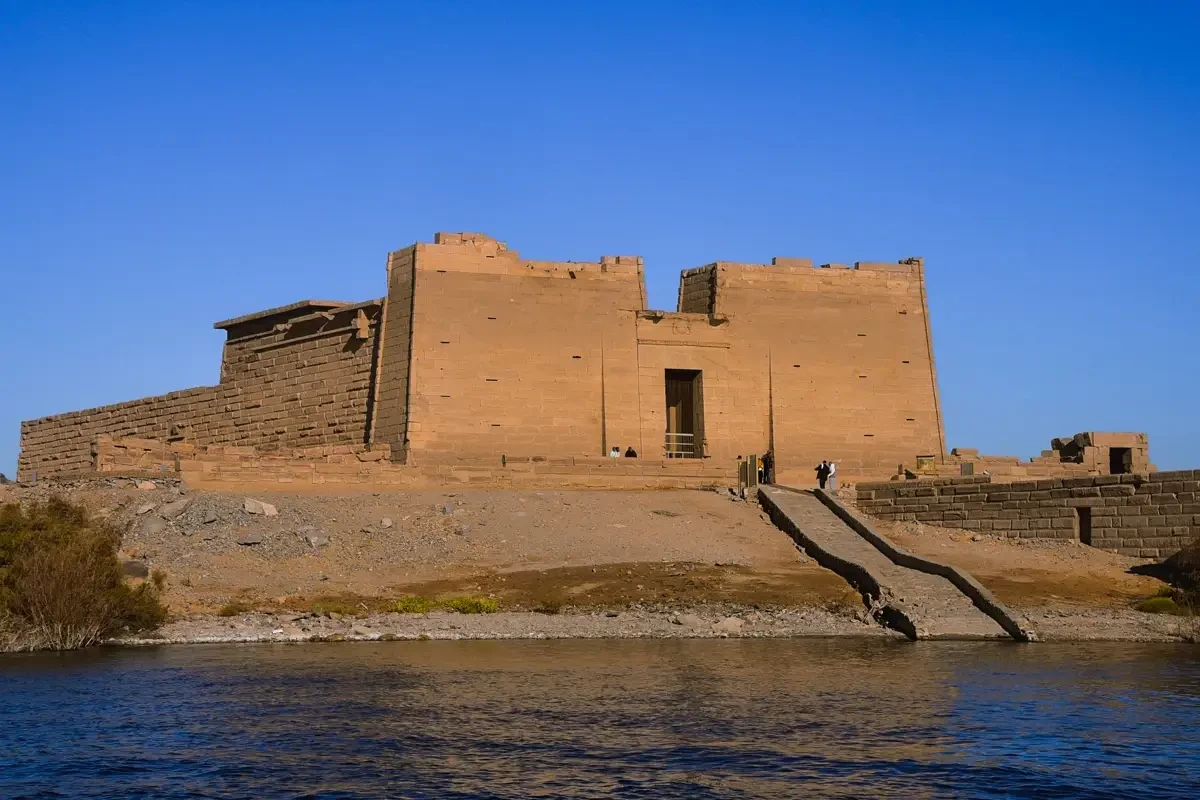
This is one of the great historical structures within the region of Aswan, an area known as "the great and the beautiful". In the same area stands Lake Nasser. The temple of Kalabsha was created during Roman occupation to worship Mandulis, the ancient sun god. The structure of the temple symbolizes a connection between the Egyptian people of history and the Nubian people; therefore it displays elements of both. Aswan tours offer visitors an opportunity to explore this remarkable historical site.
The temple is widely acknowledged for its great stone structures and well-developed reliefs, writings and columns within. The temple contains a huge court with religious sanctuary and well-embellished walls, where the visitor can gain insights into what was once known about religion in ancient Nubia. The moving of Kalabsha temple itself represents a milestone of modern Egyptian archaeology as it shows how an enormous monument has been safely relocation away from the then growing waters of the Lake Nasser resulting from the building of the High Dam.
Kalabsha Temple in Aswan
The temple of Kalabsha located in Aswan, is a magnificent ancient structure and is one of the most fascinating sites in the area in terms of exploring ancient Nubian life and Egyptian religion. Located not far from the vast Lake Nasser, the temple of Kalabsha is famed for its incredible sandstone structures, complex sculptures and for its connection with the Roman presence in Egypt. Kalabsha Temple and the Nubian Museum are both important sites for discovering the history and culture of the region.
Visitors and tourists heading towards Aswan, to experience the historical marvel of Kalabsha will gain insight to an incredible historical site and have the opportunity to explore the life and times of ancient Nubia while absorbing this awe-inspiring temple.
History of the temple of Kalabsha
Today's temple of Kalabsha was constructed during the Roman era although the temple area was actually a significant site during previous eras. Its dedication was to Mandulis, a Nubian sun god, who was worshipped in the area.
The decorations of the temple display Egyptian as well as Nubian influence indicating the cultural relationship between these two civilizations. Inscriptions and reliefs throughout the site also offer considerable information with regard to religious practice, and ancient southern Egyptian history.
Where is Kalabsha Temple?
Kalabsha Temple is located at New Kalabsha near the Aswan High Dam and near Lake Nasser. Visitors who travel to the temple in their tour, can take pleasure from its magnificent views across the lake and the surrounding desert.
The temple was relocated to this new location when it was placed at the mercy of the rising waters of Lake Nasser following the construction of the High Dam. Its present location allows tourists to experience the great monument at a risk of submersion.
What Makes Kalabsha Temple Special?
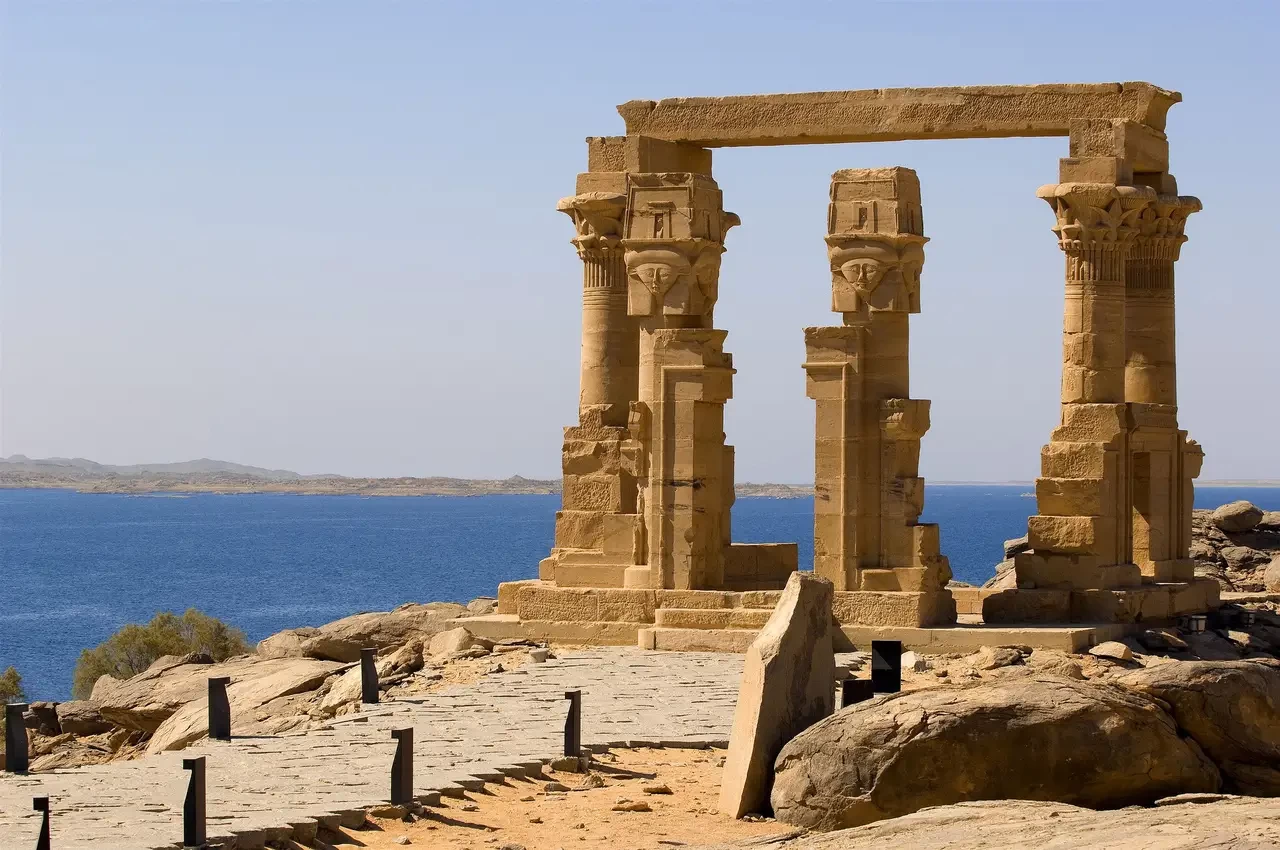
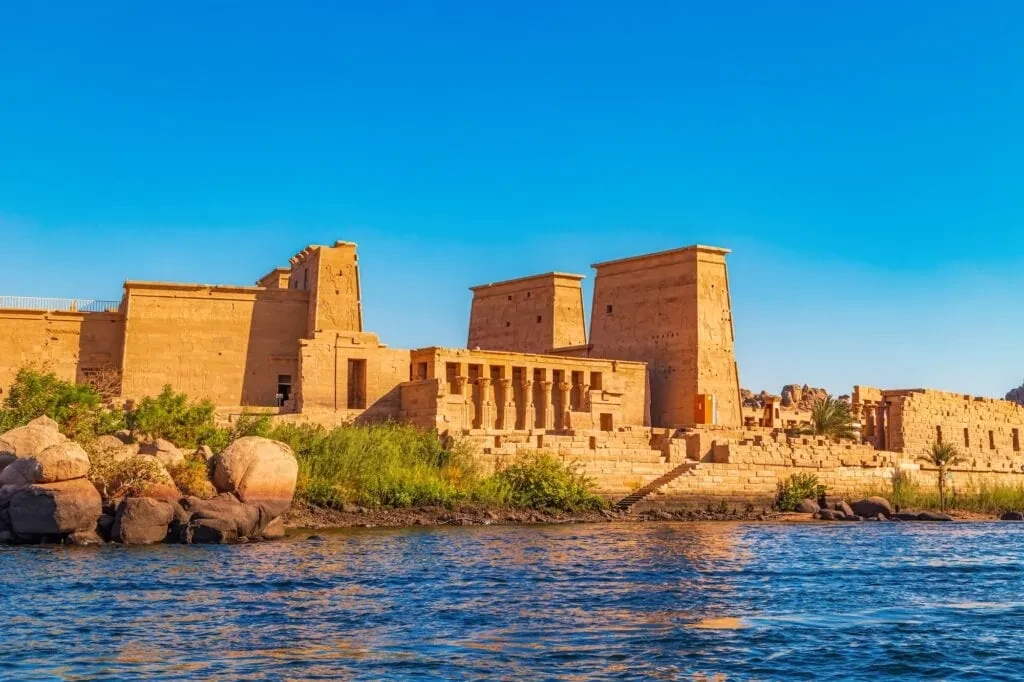
At Kalabsha Temple in Aswan one's attention is drawn to the temple's grandeur of architecture combined with the sense of historicity associated with its ancient parts. Immense sandstone blocks, towering columns and its decorated walls and inscriptions depict a sense of mastery over masonry from builders in that time period.
The temple also is historically and religiously significance due to its indication of mixed cultures/religions of ancient Nubia.
Things to See at Kalabsha Temple
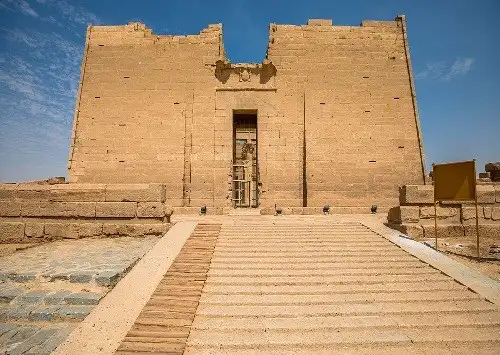 The Temple Gateway
On entering the complex one is confronted by the gateway; this is enormous and makes for a commanding entrance to the entire temple. Ancient carvings and hieroglyphics are present and one gets some perspective of the size and impact of the entire complex.
The Courtyard and Columns
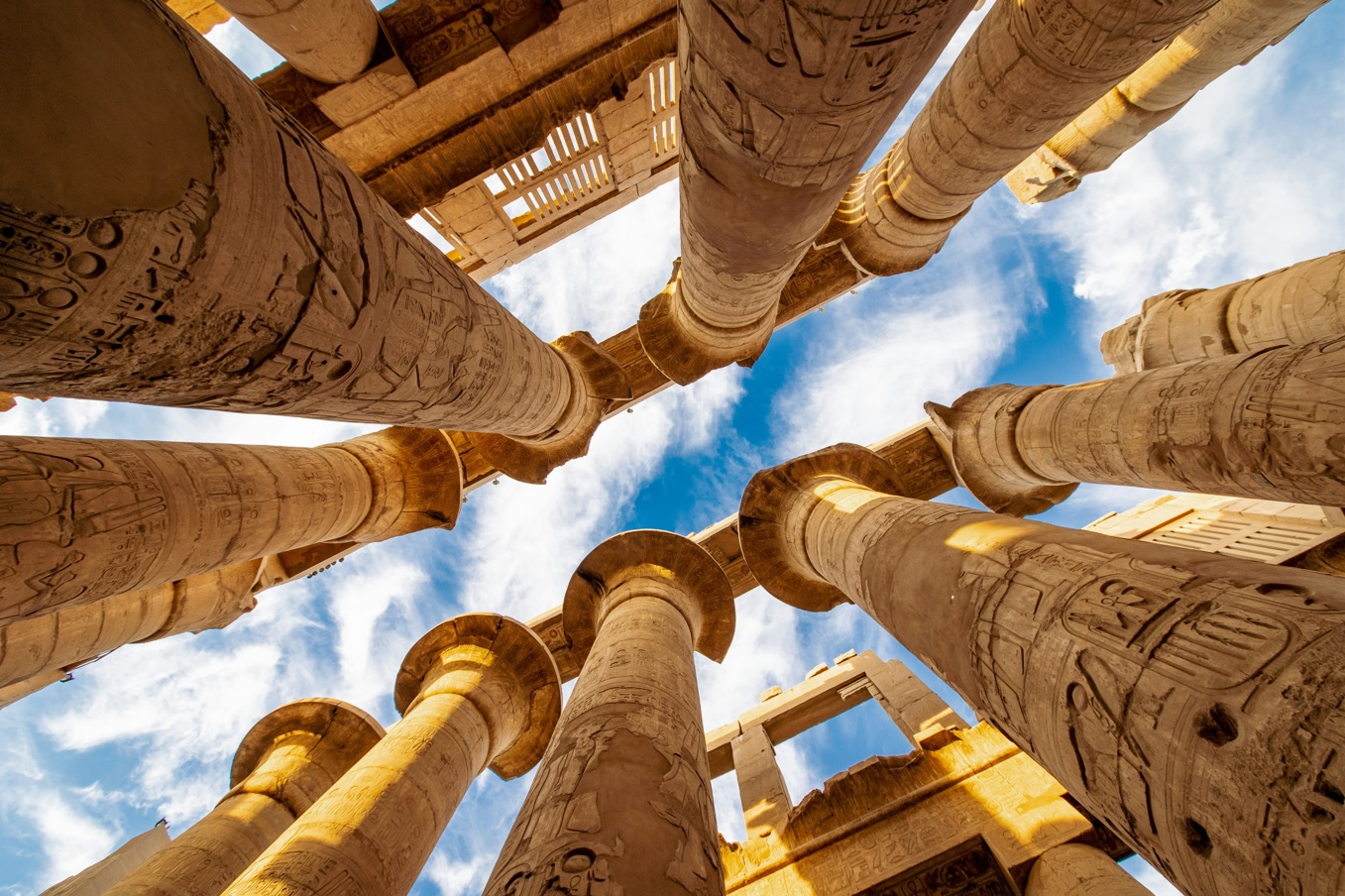
A very large courtyard surrounded by pillars occupies much of the temple area. Once inside one can readily study the architecture that surrounds one to get a good picture and an idea of the enormity of the ancient complex.
Reliefs and Inscriptions
Detailed images of Egyptian Gods and religious events can be seen engraved on the walls throughout the temple structure. It is a significant part of the temple's history to be able to see such precise depictions and to visualize the religious practices back in the time. The inscription works have also been a source of evidence for the linkage between Egyptian and Nubian cultures.
The Sanctuary
This was one of the sacred part of the temple and was mainly used for worship for deities who were venerated at Kalabsha. The existence of remnants in this section with beautiful designs makes it easier to conceptualize the importance of worship for these gods.
Lake Nasser Views
A view on to the vast Lake Nasser complements this temple perfectly. This serene setting of blue water and rugged desert mountains forms an excellent background of the magnificent sandstone temple and it is a perfect inclusion for an Aswan tour experience.
The Relocation of Kalabsha Temple
One of the more recent and important episodes in the temple's history is the story of its move from its original location. During the construction of the Aswan High Dam and the ensuing flooding as Lake Nasser expanded, many monuments risked being permanently submerged under the water. Kalabsha Temple was an endangered artifact: it was carefully dismantled and moved, during an ambitious UNESCO-driven archaeological salvaging operation, to the location it can be seen at today. The success of this operation ensured that the monument was preserved for posterity.
When you visit Kalabsha Temple in Aswan
Visiting the temple is a must as part of any trip to Aswan, with other local sites also a part of this often very rich visiting experience. This is an ideal stop for anyone with a love of ancient Egyptian culture, the Nubian experience, archeology and photography. Kalabsha Temple is a little more remote than some of Aswan's most popular sights and so you are much more likely to have an experience with the imposing structure and be able to feel that you're savoring a moment of peaceful viewing.
Why Add Kalabsha Temple to Your Aswan Tour?
Kalabsha Temple is a good perspective into the history of southern Egypt since you haveRoman period of construction, the Nubian religion of the builders, the artistic skills that characterize the Egyptian and even the modern tale of the move.
For those that intend to visit Aswan for a tour this is an opportunity to visit an interesting structure in a wonderful area over the Nasser lake.
.png "Partner")

.png "Partner")
.png "Partner")

.png "Partner")