
Nubian Museum: Explore Nubia’s Rich Heritage
Explore the Nubian Museum in Aswan. The displays show parts of Nubia’s past, and some objects are from long ago. Take a few extra moments to read the small label cards by each case. They often mention where the items were found, sometimes in places close by. This section also shows what daily life looked like in earlier times.
Go through the rooms about regular life in Nubia. Keep an eye out for short notes as you walk. Some of those notes point to dig sites linked to the same area and Nubian History and Culture.
Before you head out, check the museum guide for opening hours and rules for visitors. A lot of people add this stop to an Aswan plan. It feels different from the typical sights in town.
Nubian Museum: History, Culture, and Tips for Visitors
If you are in Aswan, the Nubian Museum is a strong stop for learning about Nubia. It sits close to major ancient areas in Aswan. Inside, you can see many objects that map the story of Nubian life, starting long before recorded history and continuing to modern times.
For travelers interested in ancient Egypt, archaeology, and local culture, visiting the Nubian Museum is an excellent addition to any Aswan tour.
What Is the Nubian Museum?
The Nubian Museum is a museum focused on the archaeology and culture of Nubia and the people there. It was set up to save and display the area’s history. This came about after many Nubian sites were harmed during the building of the Aswan High Dam.
Inside the museum, you can find thousands of items. They span many parts of Nubian history. The displays range from early settlements in prehistoric times to the Islamic era, and also to later periods.
History of the Nubian Museum
The Nubian Museum opened in 1997. It was launched as part of a wider international push. The goal was to protect Nubian culture and the finds from archaeology.
Making the museum was tied to a rescue effort. Many Nubian sites were at risk. The danger came from water levels rising in Lake Nasser after the Aswan High Dam was built.
Now the museum is a key place for holding the region’s past. It also helps people view that history.
What Can You See at the Nubian Museum?
You can visit the Nubian Museum and see many parts of Nubian history. The displays are set up in a way that helps you follow changes across a long time. It covers events and developments from thousands of years ago.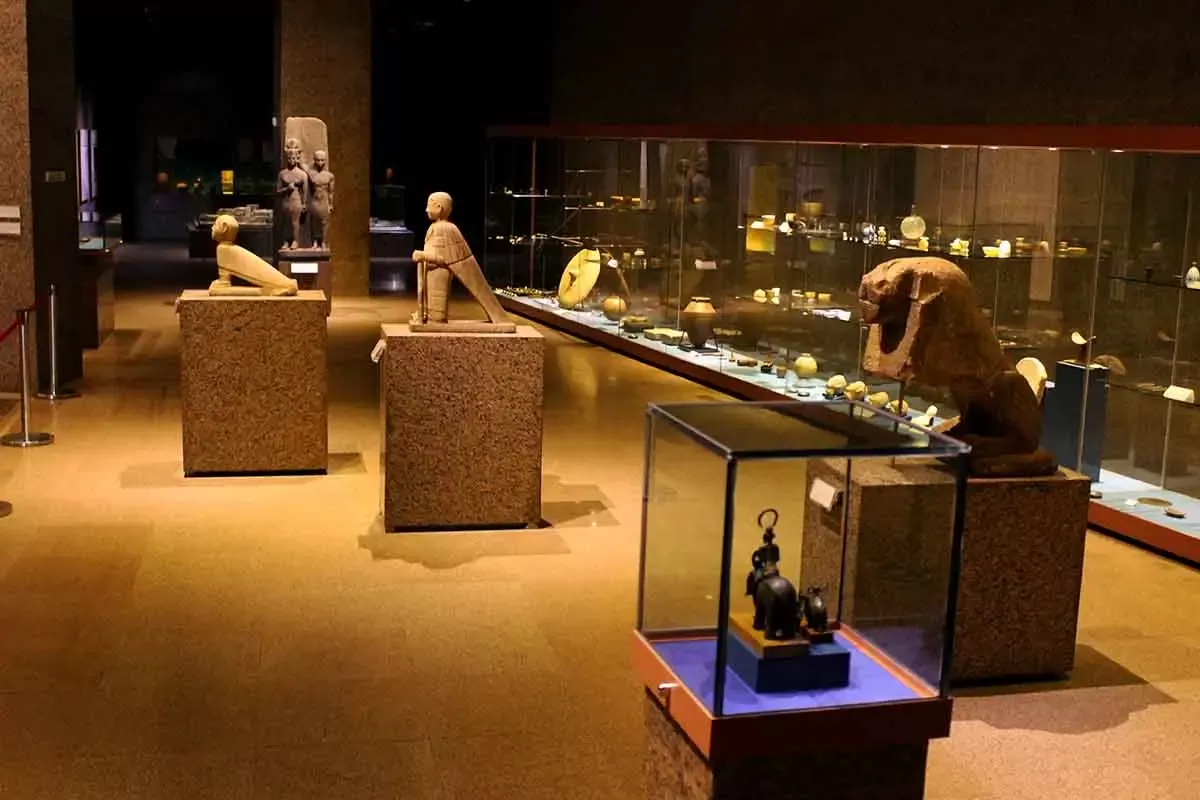
Ancient Nubian Artifacts
In the museum, you can spot lots of old objects. Some are pots. Others are carved figures or small ornaments. A few items seem made for everyday use. Some also look like weapons. There are objects that were used in rites. Taken as a whole, the collection helps show how people lived. It gives a glimpse into what mattered to them. You can also see what kinds of art they made.
Egyptian-Nubian History
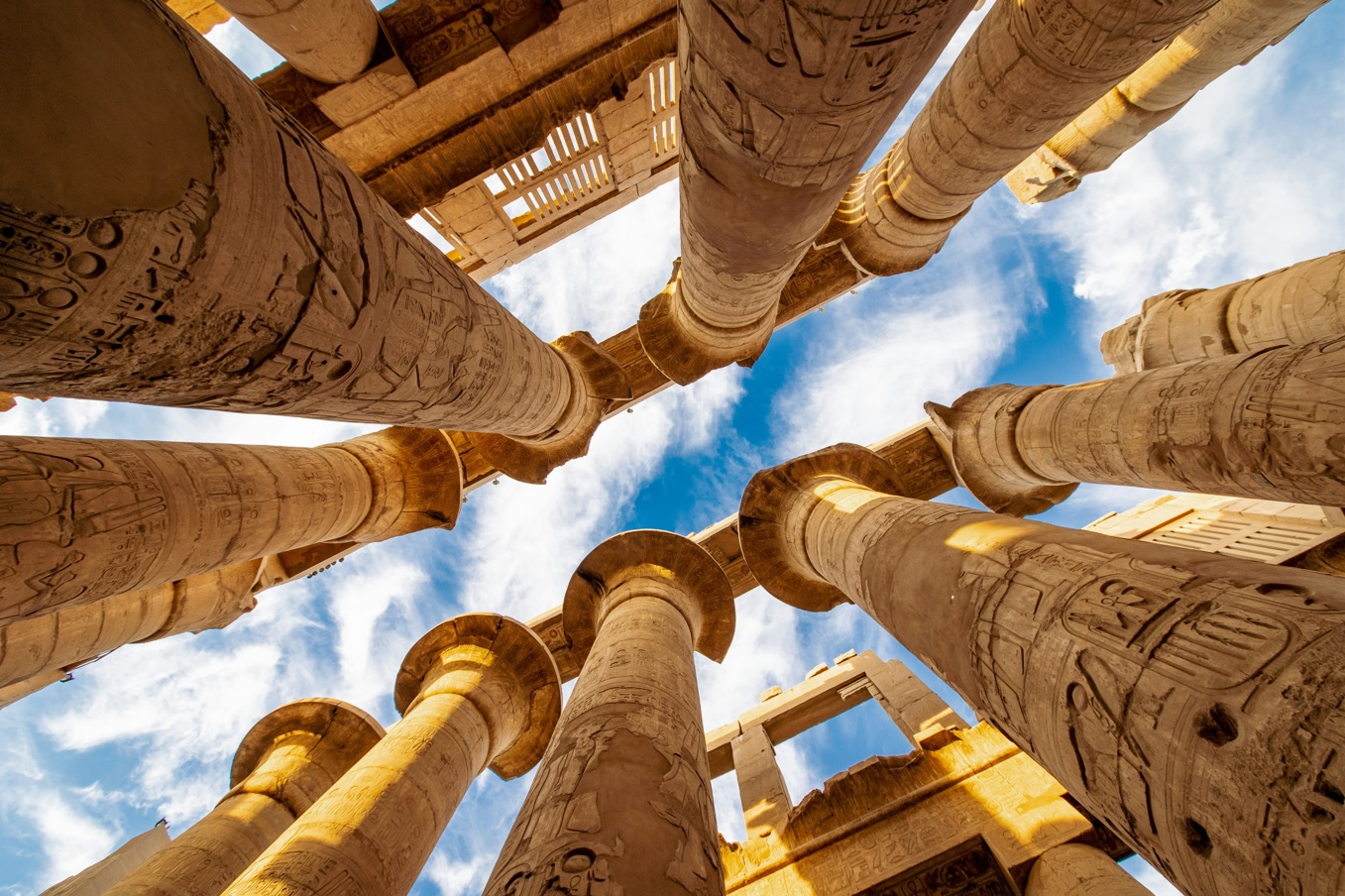
Nubia and ancient Egypt were connected for a long time. Their link was not simple. It had many layers and changed over time. The museum shares items and notes that point to links in culture, politics, and trade.
You can also see how Nubia mattered in Egypt’s past. At the same time, you learn that the two worlds shaped each other.
The Kingdom of Kush
A key section of the museum tells the story of the Kingdom of Kush. This was a strong ancient society in Nubia.
You will see displays that explain how Kush mattered and how it was tied to ancient Egypt. The room also brings in the Nubian rulers. Some of them later held power in Egypt in the 25th Dynasty.
Nubian Culture and Traditions
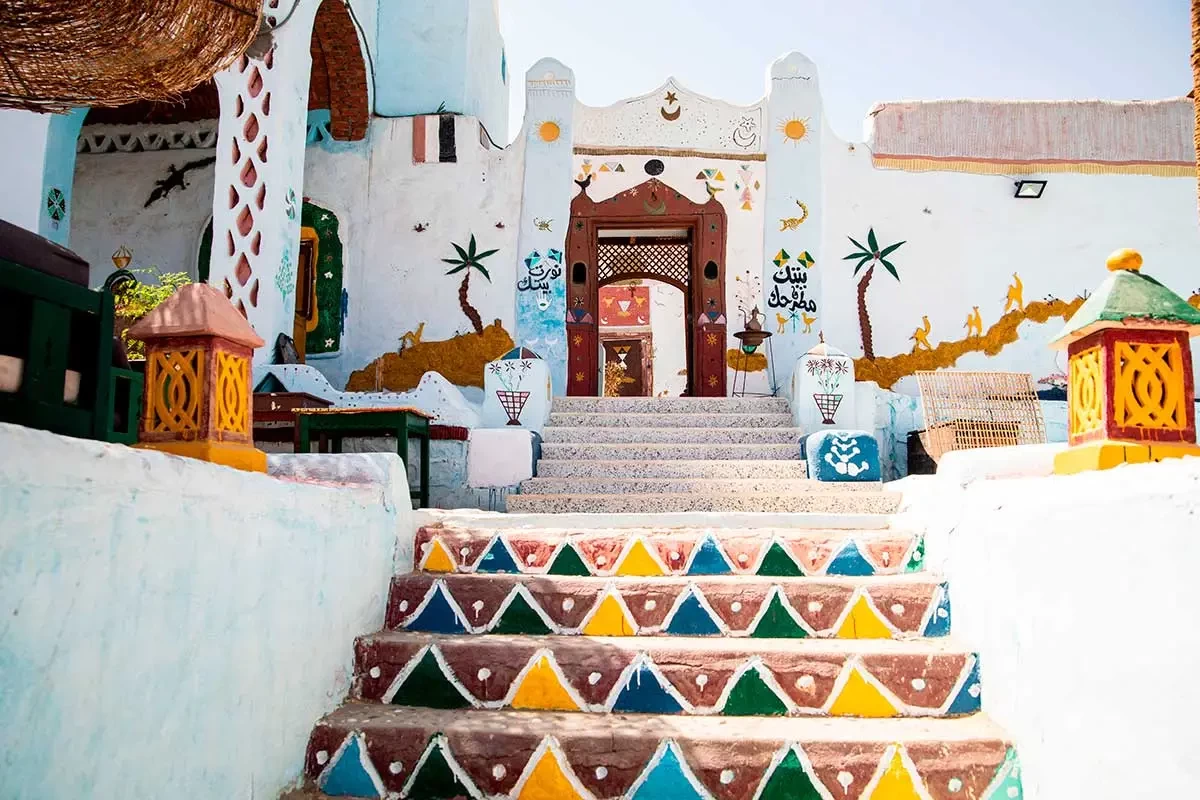
The museum is not just about the far past. It also shows traditional Nubian culture. You can view images of local houses and the way they were built. There are examples of handmade work, along with scenes of normal daily life.
Taken together, these parts help visitors see Nubia as more than ruins and old stone.
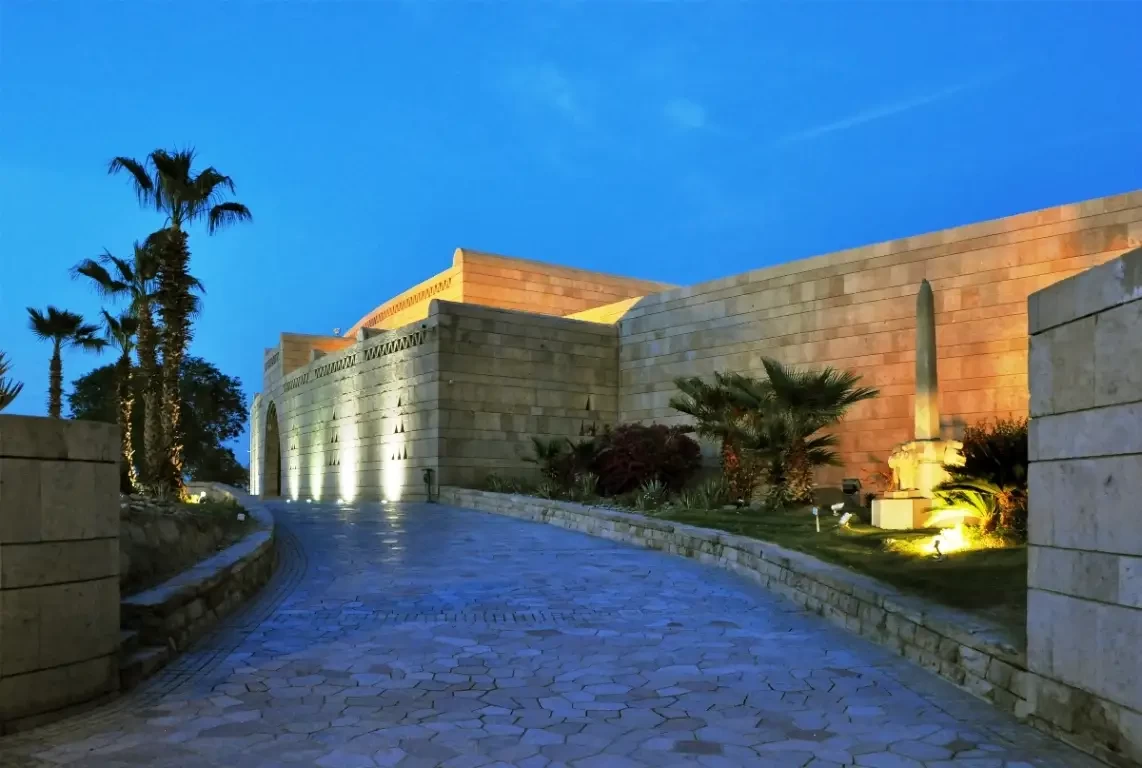
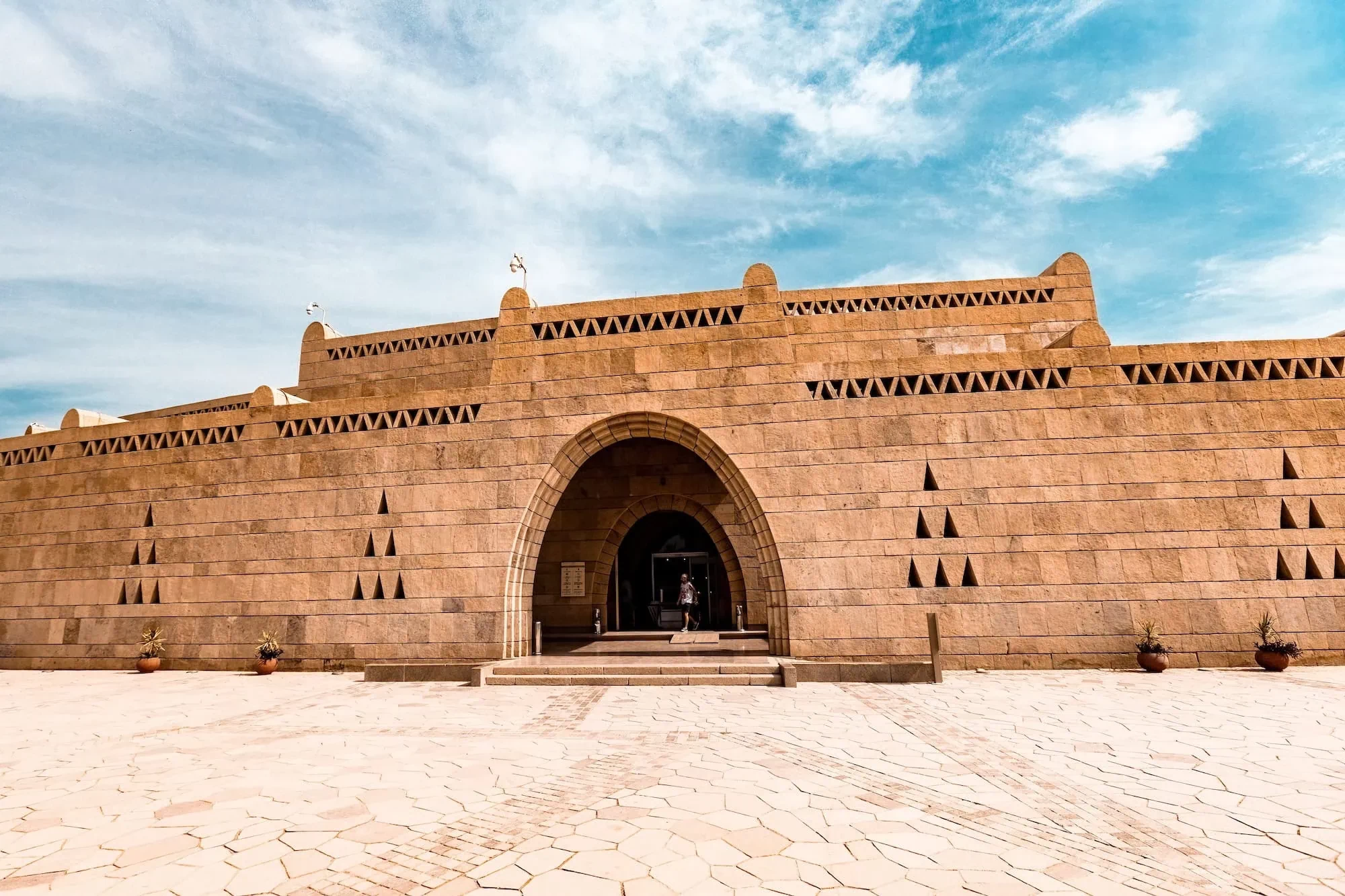
The Nubian Museum’s design
The Nubian Museum was planned to fit the place around it. The plan uses local shapes, and the small touches do too. Because of that, the whole building feels like it belongs.
Outside, the grounds are not just decoration. The gardens include parts linked to archaeology. You can see statues placed in open space, along with sections that were put back in place. People often notice these outdoor details first, and then they see the same idea again once they are inside.
Nubian Museum Garden
The museum sits within a wide garden full of plants. As you walk through, you come across statues and pieces of old stone. There are also displays that point to shifts seen in different times of Nubian history.
The area stays calm. Many visitors walk more slowly there. They pause to look at what is nearby, not just at the exhibits.
Why Is the Nubian Museum Important?
The Nubian Museum holds Egypt’s cultural and history pieces. It guards a rare chapter from long ago. Nubia’s past reaches far back. It includes lands in today’s southern Egypt and northern Sudan. Because of that, its heritage links to the wider Nile Valley story.
At the museum, you learn with real items you can see with your own eyes. You can also find displays tied to excavation work. The cultural exhibits help fill in the larger picture.
Where Is the Nubian Museum?
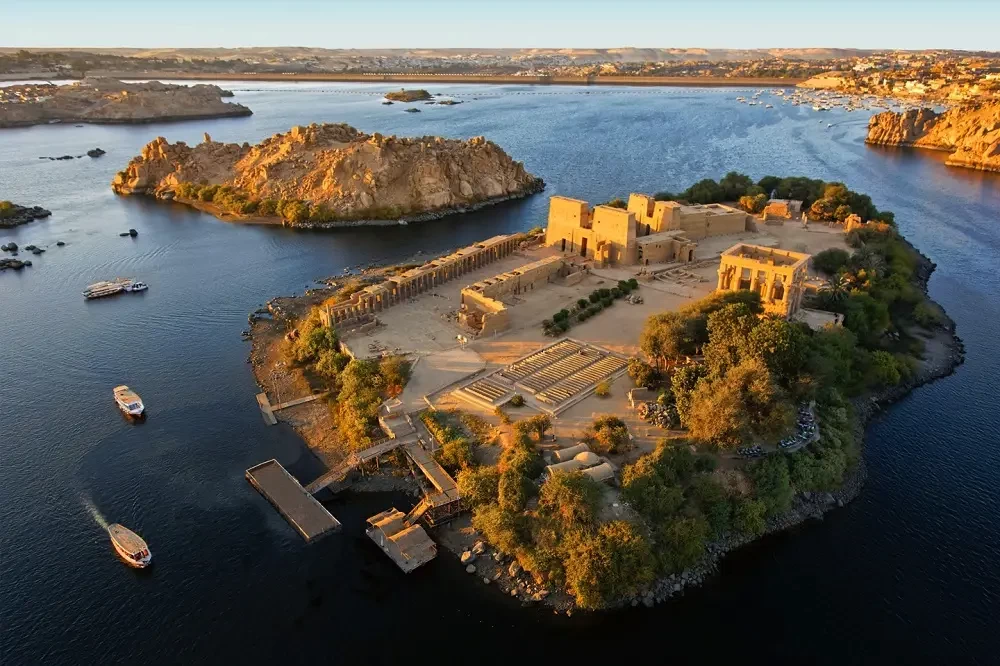
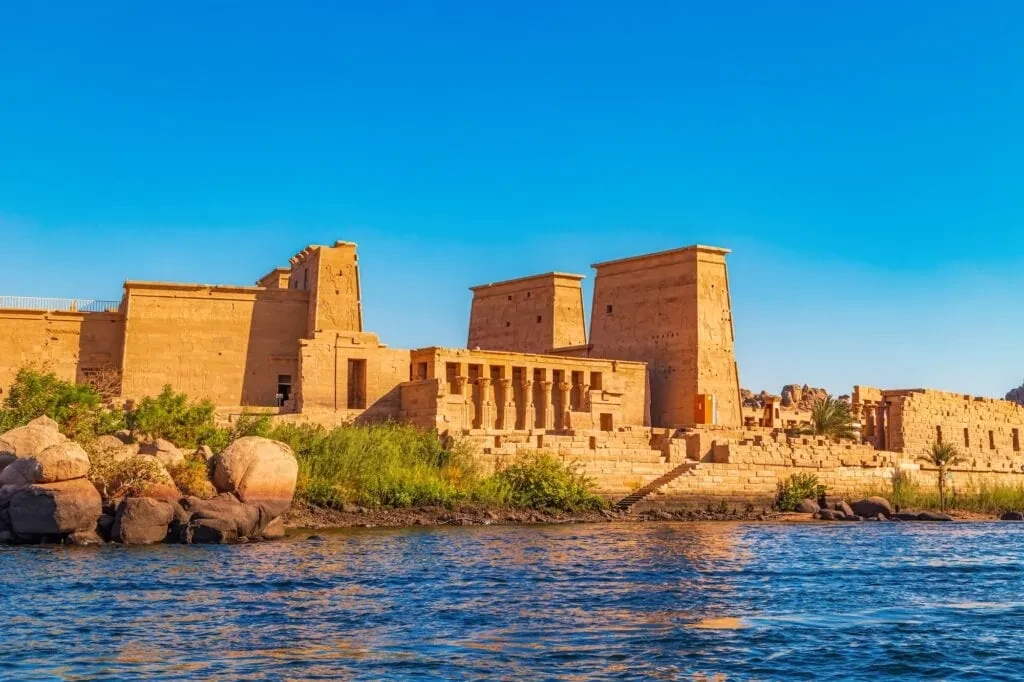
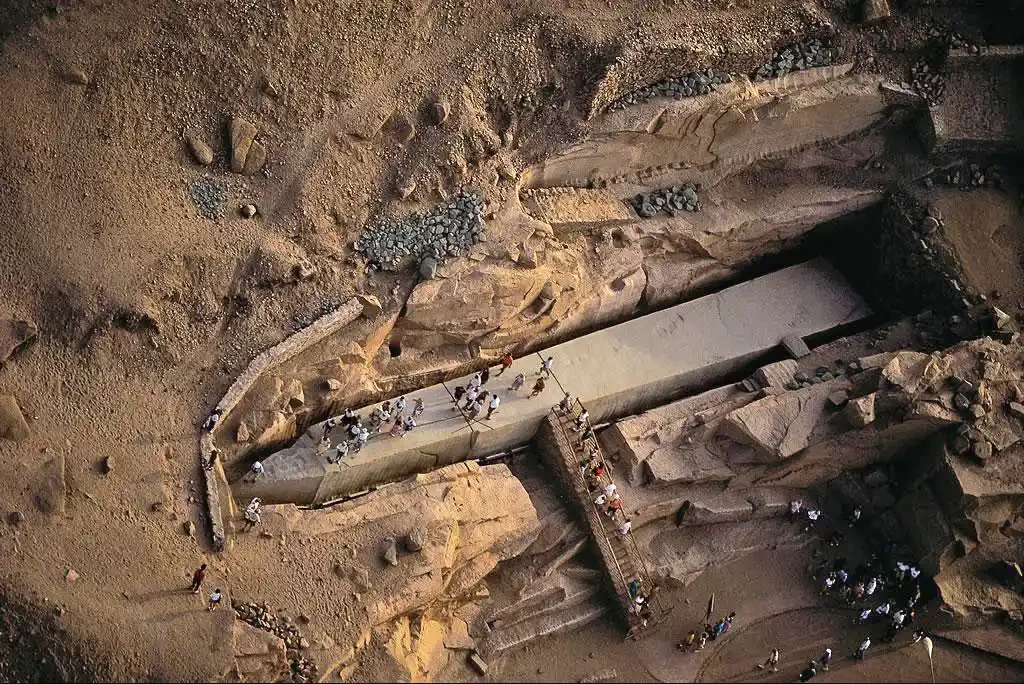
The Nubian Museum is in Aswan, in southern Egypt. Its location also makes it simple to visit other nearby places. Many visitors plan to see it along with Philae Temple, the Unfinished Obelisk, and the Aswan High Dam.
Because of this, the museum is often included in sightseeing itineraries and Aswan tours.
Nubian Museum in Aswan Tours
You can fit the Nubian Museum into your Aswan plan and still see the major temple sites. Philae Temple has famous old Egyptian stone work, but the museum gives you more background on Nubian life, history, and culture.
A few Aswan tour routes put the museum near other key stops. That setup can help you see the old period and local traditions in one day.
.png "Partner")

.png "Partner")
.png "Partner")

.png "Partner")