
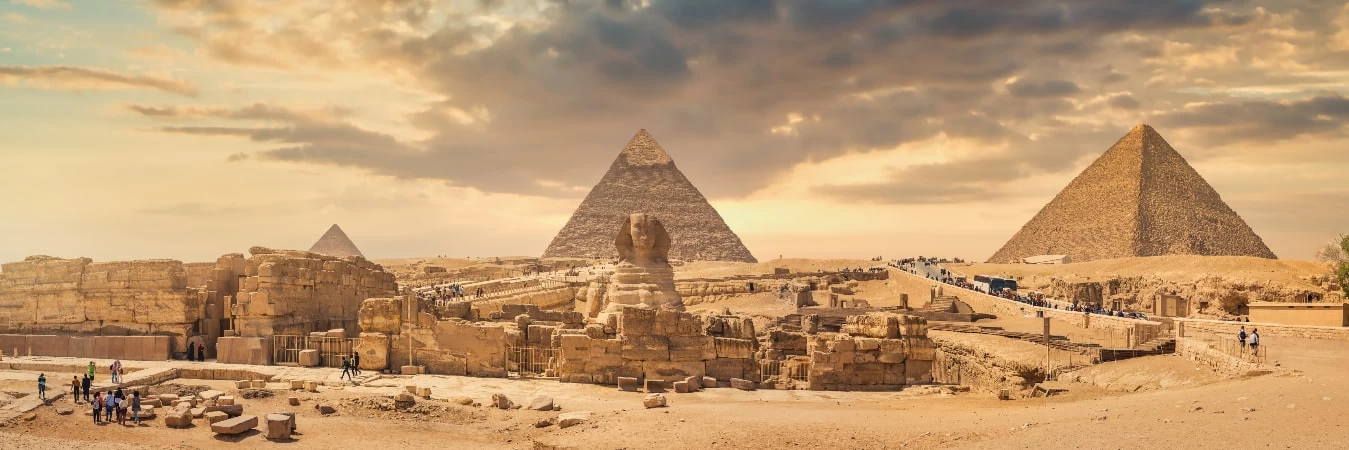
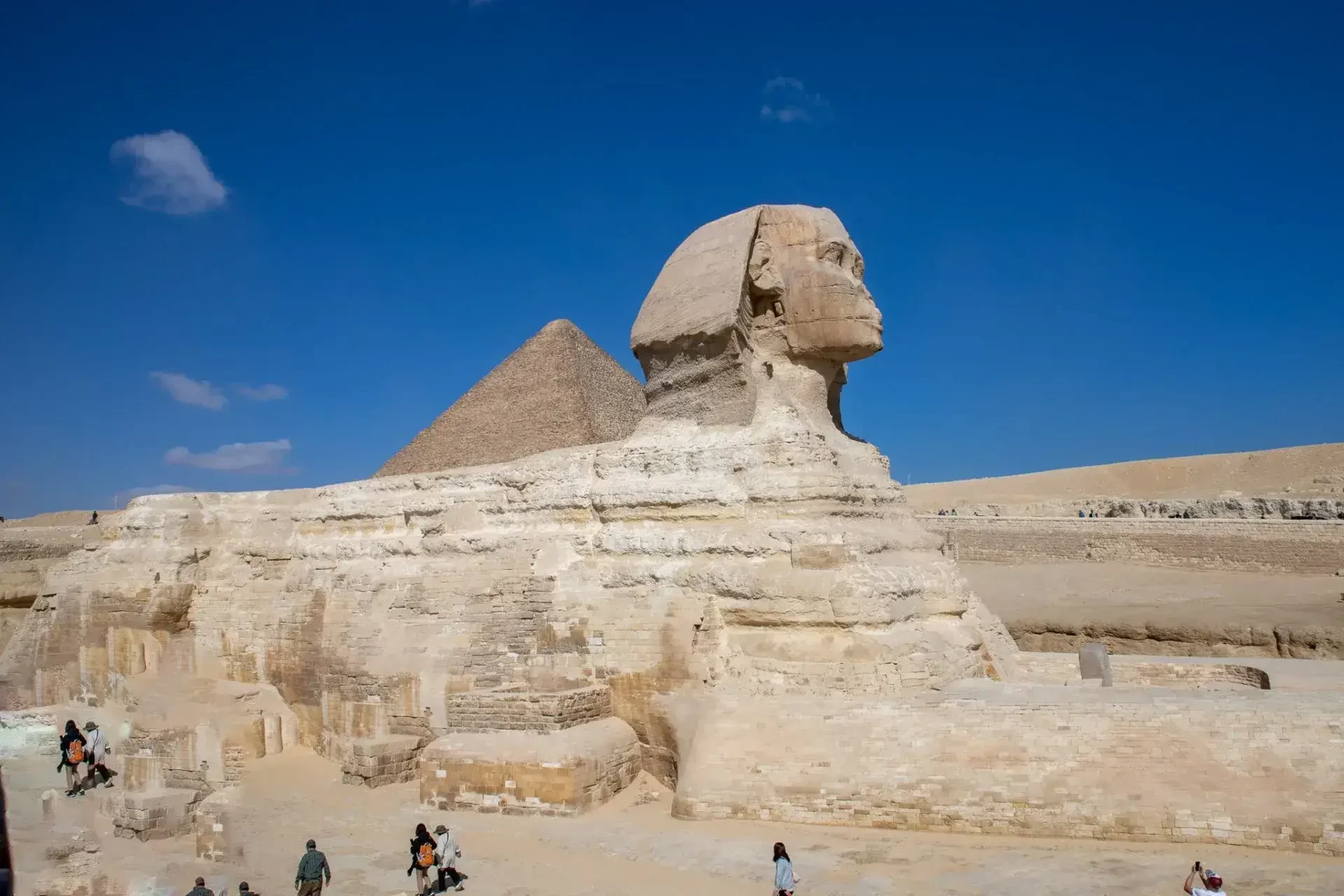
The Great Sphinx of Giza is one of the easiest monuments to spot in ancient Egypt. It sits on the Giza Plateau and remains one of the most famous Giza Attractions. Many people call it a landmark. It also draws constant interest from tourists and history students.
The carving shows a lion’s body with a king’s face. In ancient Egyptian life, that mix often pointed to power and guard duty. The Sphinx was made from the natural limestone ground. It was carved right into the bedrock. For a very long time, it has remained near the pyramids.
This page covers common Sphinx of Giza Facts. It looks at the Sphinx’s past and how it was made. It also touches on its age and what the figure may have meant. You will also see its link to King Khafre. The goal is to explain why it is still seen as a top Giza Attraction today.
Sphinx of Giza History
The Sphinx is traced to Egypt’s Fourth Dynasty in the Old Kingdom. During that era, builders worked on major royal structures on the Giza Plateau. The figure was carved from the limestone bed itself. Many scholars point to King Khafre. He ruled the Fourth Dynasty. He is also linked with the second pyramid at Giza.
The monument brings together two clear symbols. Its body is lion-like. This part suggests strength and protection. Its head looks human. That choice ties the figure to the king and to royal order. Ancient Egyptian art uses similar ideas. Lions often signaled power. They were also used for guarding.
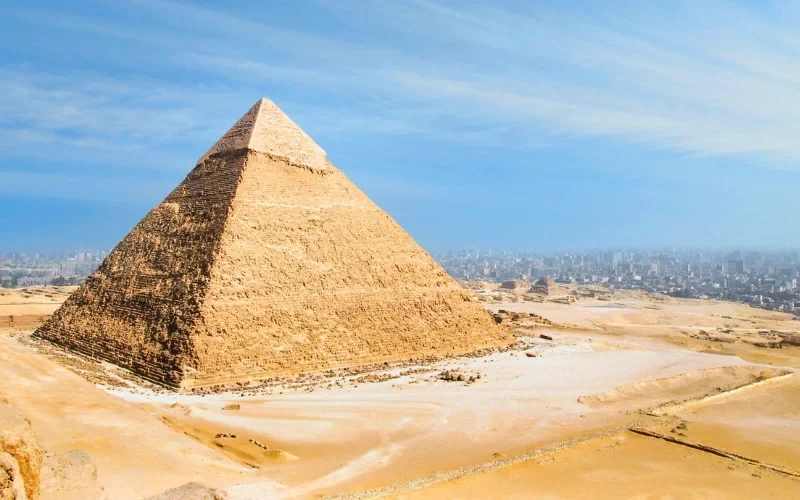
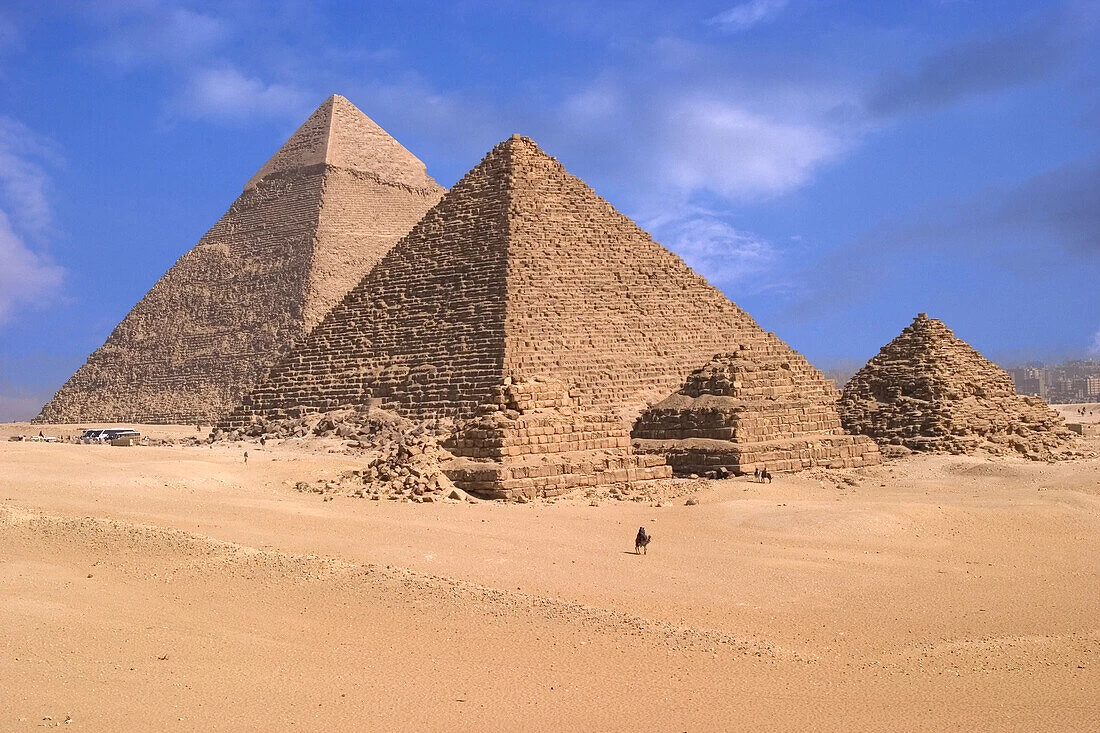
The Sphinx was not set apart from the rest. It sits inside the wider pyramid grounds. It stands close to Khafre’s pyramid. It is also near the valley temple and the causeway. Nearby structures add to the full setting. With this arrangement, people can better see how the Sphinx was meant to fit the Giza necropolis. The site remains among the top Giza Attractions for visitors traveling through ancient Egypt.
The role and meaning of the monument shifted across time. In the Eighteenth Dynasty, it was tied to Horemakhet, also called “Horus in the Horizon.” This connection links the figure to the sun god. Later, King Thutmose IV placed the Dream Stela between the Sphinx’s paws. The stela records his relationship to the monument.
Who Built the Sphinx of Giza?
Most people link the Great Sphinx of Giza to King Khafre. He ruled during Egypt’s Fourth Dynasty. His pyramid complex is at Giza, and the Sphinx sits close to it. Because of that, Khafre is often treated as the main builder.
There are a few reasons for this link. The Sphinx is near Khafre’s valley temple. It is also close to the causeway that heads toward his pyramid. The way these parts line up makes it seem like the same royal plan was at work. Some teams have also looked at the Sphinx face and compared it with statues that are thought to show Khafre. They say the features line up well enough to back the old view.
The Sphinx was made from the local limestone bedrock. It was carved in place, not built by stacking blocks. Making a figure of this size would have taken many people and good organization. It also would have required planning day after day. The crews who worked on the Giza monuments likely lived in set communities. They would have needed regular food and tools, plus other help to keep working.
Even with all this, the matter is not fully settled. Khafre still looks like the best match, but some parts of the story stay unclear. That mix of solid clues and open doubts is part of why the Sphinx still draws so much attention.
How old is the Sphinx of Giza?
Most sources put the Sphinx at about 4,500 years old. It is linked to Egypt’s Fourth Dynasty. Many people also connect it with the reign of King Khafre. Because of its age, it is seen as one of the rare stone statues that still stands from the ancient world.
What makes it survive is not simple luck. For thousands of years, its body has faced wind and rain. Different parts were made from limestone that was not all the same quality. That mix helped shape how much each section wore down.
There is also the matter of sand. At different times, the Sphinx ended up buried again and again. Some parts stayed covered for a while, and that meant some protection. But later digging became harder once the sand built up.
During the rule of Thutmose IV, the Sphinx was mostly under sand. The Dream Stela gives a tale about how the young king found it after it had been buried. He then cleared sand around the monument.
With its long history, the Sphinx is often grouped with the major monuments at Giza that still exist. Along with the pyramids, temples, and tombs on the Giza Plateau, it offers a direct link to the society that lived along the Nile long ago. These ancient Egyptian monuments continue to attract visitors interested in Egypt’s history and culture.
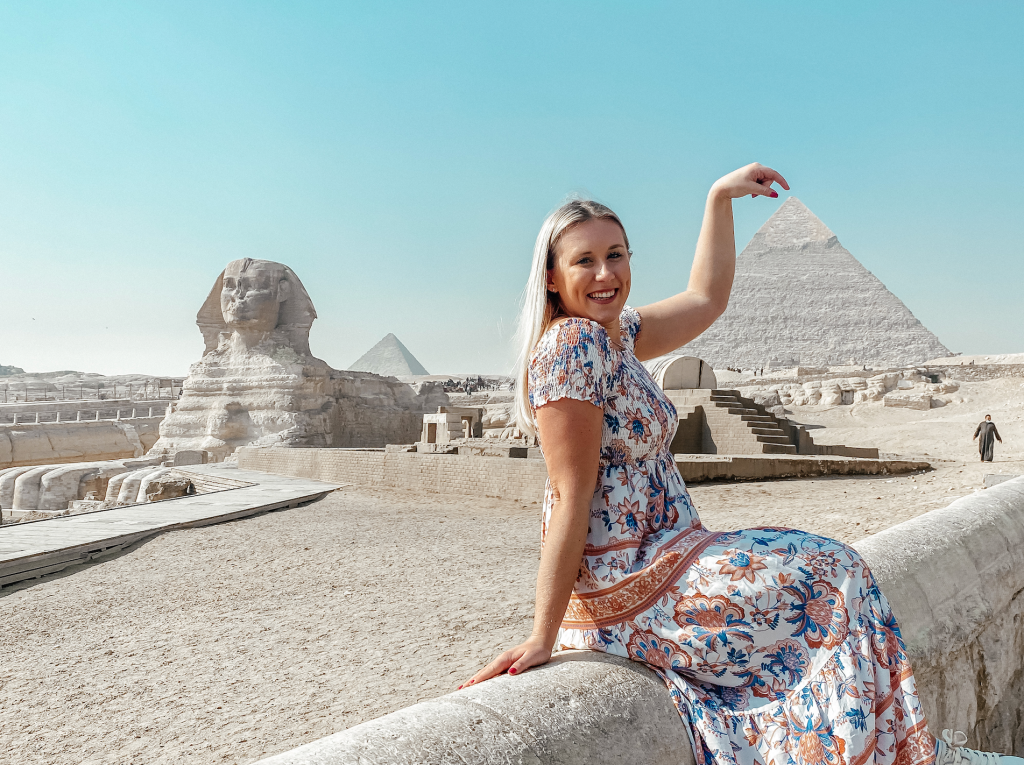
Why Was the Sphinx of Giza Built?
A major question about the Great Sphinx of Giza is why it was made. We still do not have a full and firm answer. Still, its design and its location suggest some strong possibilities.
Most Egyptian sphinx statues used a lion body. Many also used a human face or a face tied to a king. This blend joined animal power with royal rule. Taken together, it made sense as a marker of guard and status.
The Sphinx is placed within the zone that connects to the Khafre pyramid complex. That choice is not random. It likely belonged to a wider set of works. It fits with nearby temples and the larger sacred plan of the area.
Its meaning also did not stay the same over time. Later groups continued to attach new religious links to it. The tie to Horemakhet is one clear sign of that continued reuse.
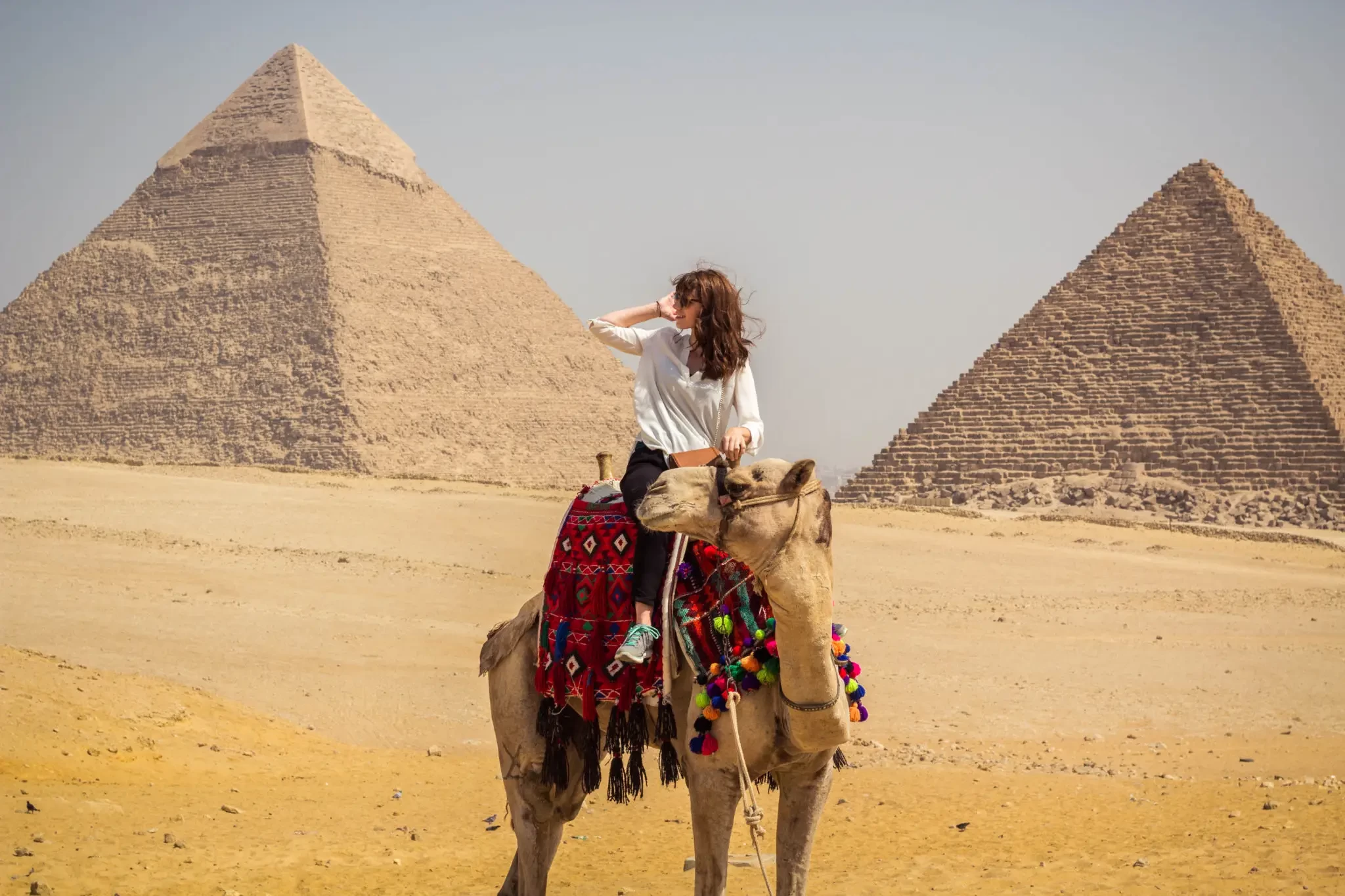
For those who see it now, the Sphinx can point to how building choices, belief systems, kings, and symbols worked together in ancient Egypt. Tourists in Cairo can also include the monument on Cairo Day Tours that cover the Giza Plateau and key nearby historic sights.
Why Is the Sphinx Missing Its Nose?
The nose is gone, and that is what people notice first on the Sphinx. It has also led to many tales for a long time. A common claim says Napoleon’s men broke the nose. But the facts do not back that up.
Pictures made before Napoleon’s trip to Egypt already show the Sphinx without the nose. So the damage must have happened earlier. What exactly caused it is still not clear. The site has taken many hits over the years. Erosion, harm, sand burial, and repairs all took place at different times.
With time, the missing nose became part of the Sphinx. It has not made the monument less important. If anything, the break in the face is another sign of how long it has lasted. The Sphinx has stood for thousands of years.
The face remains a major draw. People keep looking at it. They connect it to images of kings. They also argue about who the Sphinx may have been, in the first place. For travelers planning a wider itinerary, Egypt day tours can offer a convenient way to discover the Sphinx alongside other historic sites.
For travelers looking to organize their Egypt sightseeing plans, Rich Holidays can help combine visits to the Sphinx with other destinations and experiences across Egypt.
-webp.webp)
-home-package-card-315.webp)
-home-package-card-315.webp)
-home-package-card-315.webp)

-home-package-card-315.webp)
-1-home-package-card-315.webp)
.png "Partner")

.png "Partner")
.png "Partner")

.png "Partner")