
Discover Karnak Temple: History, Highlights & Visitor Guide
Karnak Temple stands out as one of the biggest and most striking ancient religious sites in Egypt. It is also a top place to see in Luxor. The builders worked on it for over 2,000 years. Many pharaohs added to the work over time. Much of the temple was set up for the Theban god Amun.
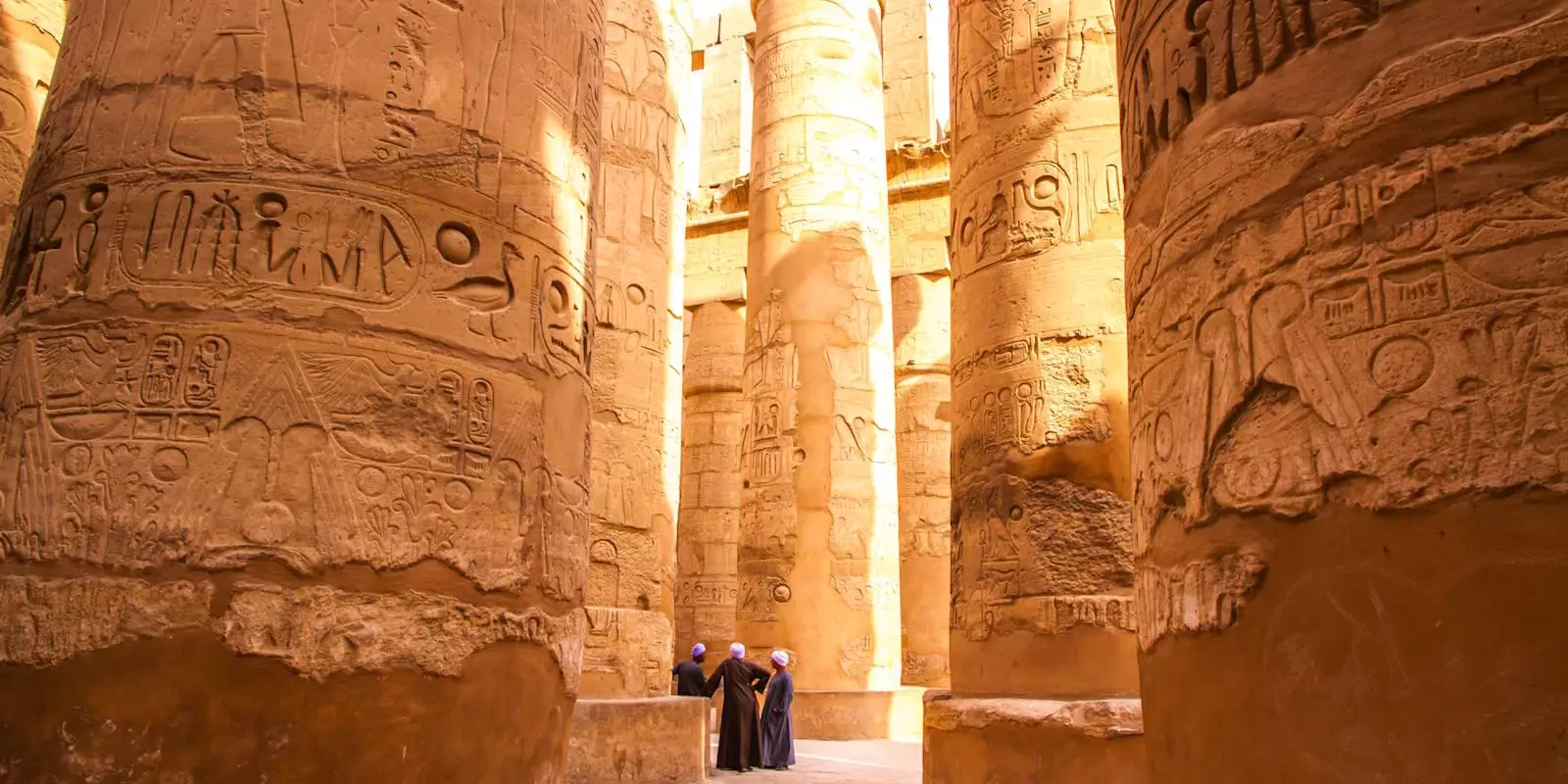
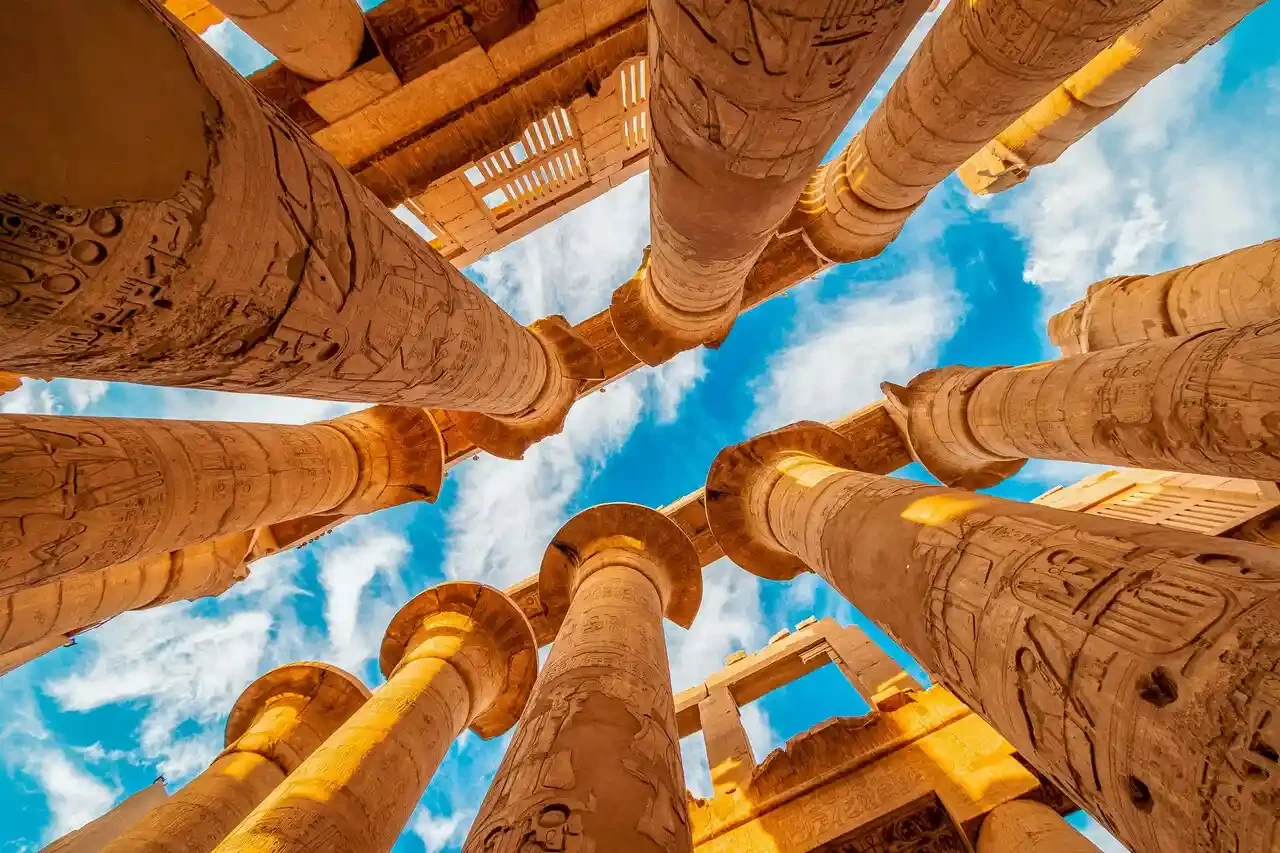
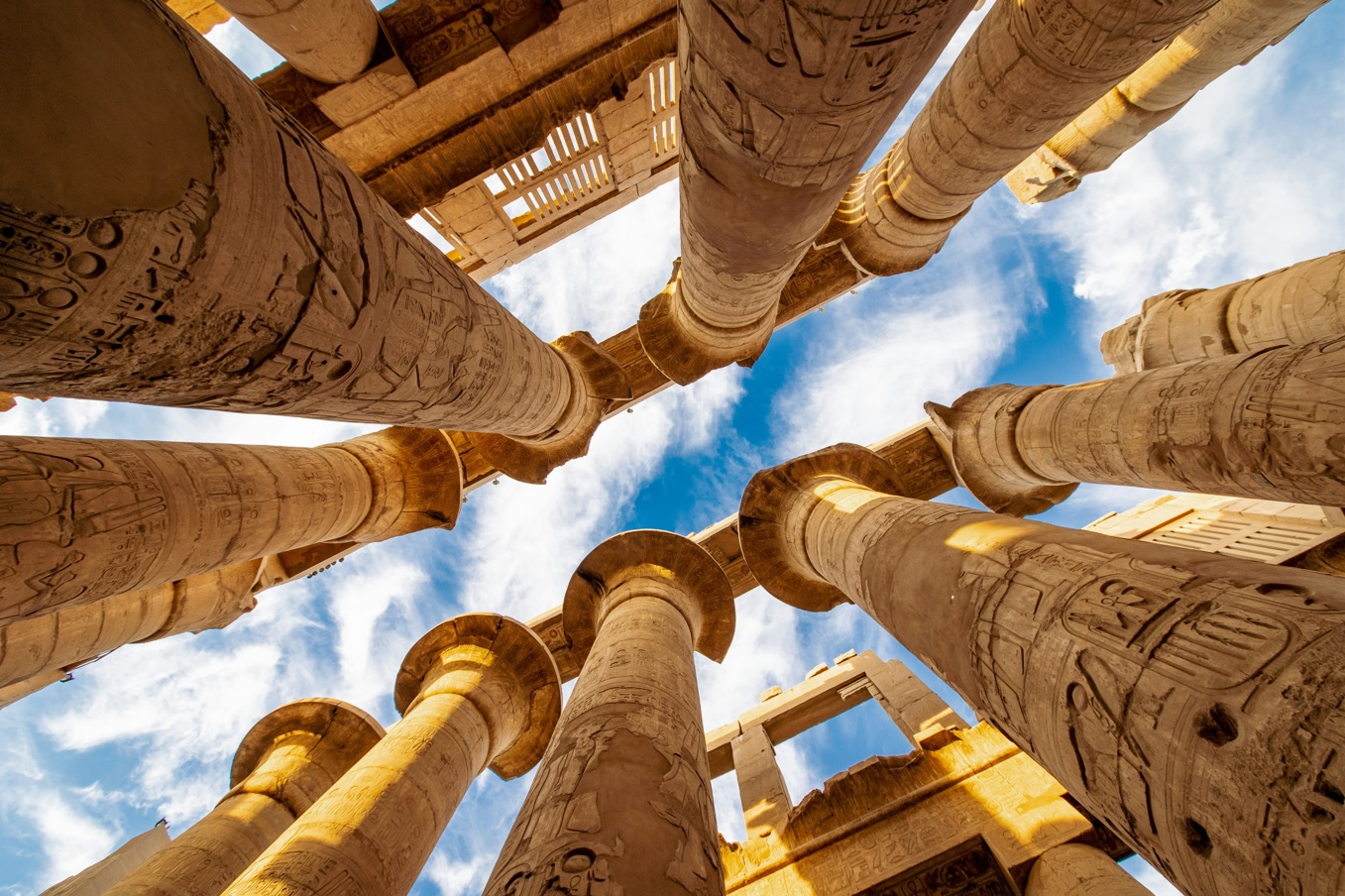
When you walk through the grounds, you will notice huge gates and very tall obelisks. You can also spend time in calm courtyards that feel sacred. Walls hold detailed hieroglyphs, cut with care. One of the most well known parts is the Great Hypostyle Hall. Its high roof is supported by massive columns. The columns are covered with carvings.
You will also find more temple areas linked to Amun. There are spaces connected with Mut and Khonsu too. Other old Egyptian gods are part of the wider layout as well.
This guide is meant for visitors. It covers the background of the site and its main sights. You will also get notes on key architectural features. It includes ideas for what to see and practical travel tips. You can also explore Karnak Temple through a variety of Luxor tours designed to make your visit easier and more memorable. Use it to plan a visit to one of Luxor’s most important historic places.
Karnak Temple: History and Visitor Tips
Karnak Temple is one of the most impressive ancient sites in Egypt and one of the top places to visit in Luxor. You can see tall stone columns, big gateways, and slender obelisks. The walls are also covered in carved scenes that feel detailed even after all these years.
This site did not come from one ruler. Work went on for about two thousand years. Different pharaohs and other leaders added new parts over time. They built courts, halls, statues, and more buildings. Because of that long build, the whole area tells a longer story than a single monument. It is also a key reason visitors spend time in Luxor.The Sound and Light Show at Karnak Temple is another popular experience that allows visitors to discover the history of the temple in a different way.
Where is Karnak Temple?
Karnak Temple sits on the east side of the Nile in Luxor. It belongs to the old city of Thebes. For many centuries, Thebes was known as a major religious and political hub. Karnak is simple to fit into a travel plan. Many tours include it with other sights in Luxor. You can also pair it with Luxor Temple and nearby historic areas. Its spot along the river makes day trips feel easier to manage.
History of Karnak Temple
Karnak Temple’s story goes back a long way. Work started in Egypt in the Middle Kingdom. After that start, the building never truly stopped. Later rulers kept adding to what was already there. They brought in new spaces. They also put fresh stone reliefs on the temple walls.
In the New Kingdom, the temple expanded again. Thebes grew in status and became a main place for worship. A large part of the temple area was laid out around Amun. In Egyptian belief, Amun mattered deeply.
Pharaohs such as Hatshepsut, Thutmose III, Seti I, Ramesses II, and other rulers contributed to the development of Karnak. Each added new structures or modified existing ones, creating the enormous complex visitors see today.
The site was more than a place of worship. It was a major religious center where ceremonies, festivals, and rituals were held. Its size and decoration also demonstrated the wealth and power of ancient Egyptian rulers.
What to See at Karnak Temple
Karnak Temple is very spread out. Because of that, you can spend a lot of time wandering. If you are going for the first time, a few spots are worth your focus.
The Great Hypostyle Hall
The Great Hypostyle Hall is among the best known parts of Karnak. You will see a dense cluster of tall stone columns. Many of them have carved writing and detailed wall work.
The hall feels huge in a way that is hard to forget. You get a clear sense of how bold the ancient builders were. Walking through the rows of columns is one of the top moments at the site.
The Avenue of Sphinxes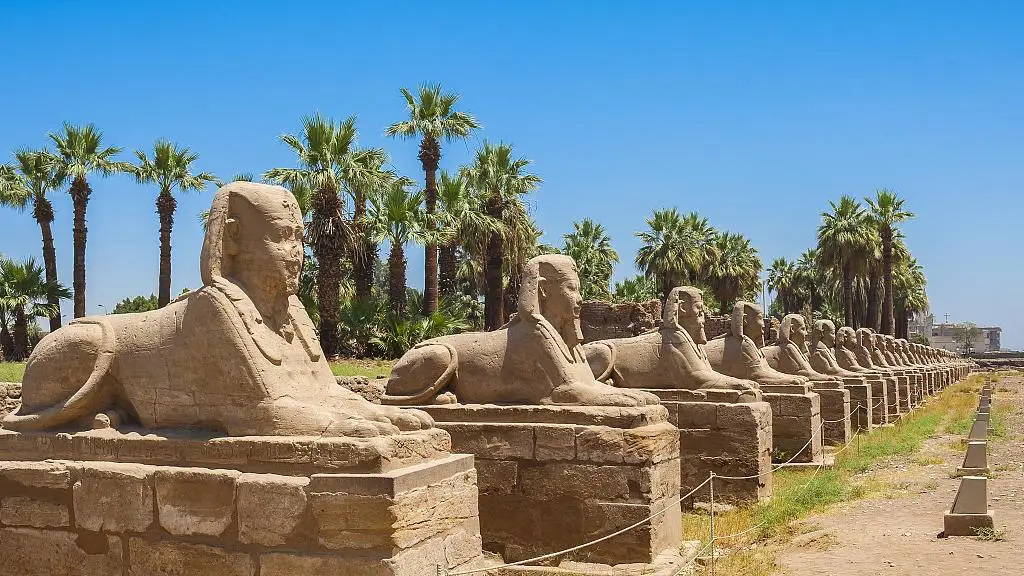
The Avenue of Sphinxes linked Karnak Temple to Luxor Temple. People used this path during religious ceremonies. Along the way stood many sphinx statues, side by side.
Today, sections of the avenue have been put back in place. This helps guests see how the two temple sites were tied together in ancient times.
Obelisks of Karnak
Karnak is also famous for its obelisks. These very tall stone markers were set up by Egyptian pharaohs. They connect to the sun god and to other worship customs.
The obelisks provide some of the clearest examples of the skill and engineering abilities of ancient Egyptian builders.
Sacred Lake
The Sacred Lake stands out within the site. Priests once used it during rites. They also used it for cleansing rituals.
Now the water feels calm next to the huge buildings around it. Many visitors stop here while walking the temple grounds.
Temples and Sanctuaries
The larger Karnak complex includes many religious places. You can find temples, chapels, and smaller sanctuaries. There are also statues and other sacred works.
Some sections were set apart for specific gods. People linked these spaces with Amun, Mut, and Khonsu.
The plan did not stay the same over time. The site grew over many years. So the buildings show styles from more than one era in ancient Egyptian history.
Why Visit Karnak Temple?
Karnak is more than old blocks of stone. Once you step inside, the place feels bigger than you thought it would. It takes a moment, then it clicks. You start to see what its makers were dealing with.
Most visitors first spot the scale. Columns stand very tall, and you look up without meaning to. The walls seem to run on for a long way. Carvings cover parts of the surfaces, too. Some of the figures are worn down from years of weather, yet they still draw your attention. If you care about Egyptian history, or you just like big building projects, it can feel personal in a way you did not expect.
Karnak is also an excellent destination for photography. Early morning and late afternoon can provide beautiful light across the columns and monuments.
-home-package-card-315.webp)
-home-package-card-315.webp)
.png "Partner")

.png "Partner")
.png "Partner")

.png "Partner")