
Why Visit Kom Ombo Temple?
You first notice where Kom Ombo Temple is. It lies right next to the Nile. That setting makes the whole visit feel open and calm, with a clear view while you walk around. Still, the spot is not the only draw.
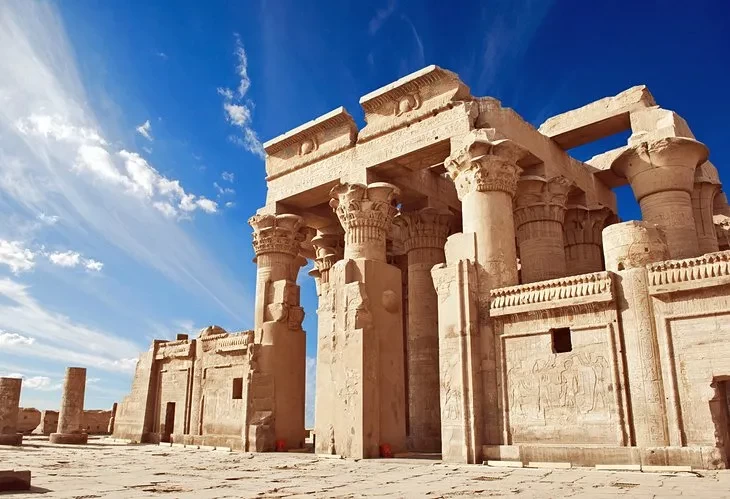
Kom Ombo was made for two gods. Those gods were Sobek and Horus the Elder. That is why the building does not follow the usual plan. You can see two sides in the structure. Each side has its own spaces, meant for one god. The stone walls also hold carvings. Some show religious moments. Others include medical tools. There are also small details tied to daily life in ancient Egypt.
Edfu often appears on Nile cruises between Luxor and Aswan. Because of that, it works well as a stop in Upper Egypt. If you are putting together Egypt tours, a visit to Edfu Temple can bring one more strong moment to your trip through ancient Egyptian history.
The History of Kom Ombo Temple
Kom Ombo was a sacred place long before the temple in its current form. Still, most of what you can visit today dates to the Ptolemaic era. After that, Roman leaders added a few sections. They kept using the grounds for worship.
One reason the spot stands out is the way it links to two gods. Sobek was shown as a crocodile deity. Horus the Elder was shown with a falcon head. Because of this, the temple layout includes spaces for both. That is why the design feels unusual.
On the walls, you can find carvings that explain old Egyptian ideas and daily religious acts. The scenes also show kings or rulers giving offerings. They appear during ceremonies as well. If you are looking at Luxor attractions, Kom Ombo adds a different view of how religion influenced temple building in ancient Egypt.
What Can You See at Kom Ombo Temple?
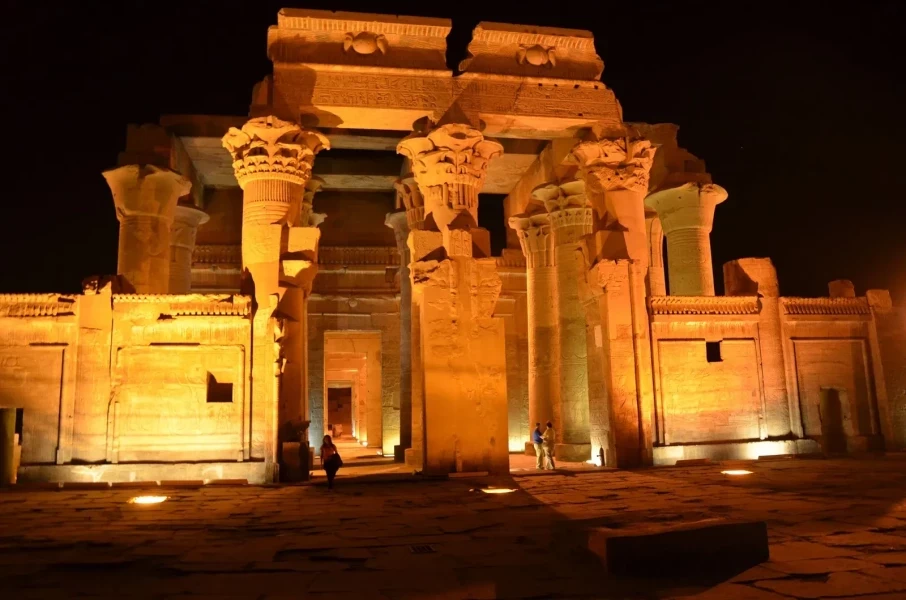
When you first arrive in Kom Ombo, the layout catches your eye right away. The temple is split into two main parts. Each section honors a different focus, tied to Sobek and Horus the Elder.
If you keep walking through the halls and open courtyards, you will see stone columns with old carvings on them. The walls also hold reliefs. They show gods, leaders, offerings, and religious rites.
Near the more engaging displays, look for carvings of tools used in healing. These carvings help you picture what ancient Egyptian medicine may have involved.
Kom Ombo sits by the Nile, and that changes the feel of the visit. You can walk among the ruins and still look out at the river. If you are planning Luxor attractions, this stop brings together old history, clear architecture, and a pleasant Nile view in one place.
Why Visit Kom Ombo Temple?
Kom Ombo is worth a visit since its temple plan feels different from many other Egyptian sites. You notice the unusual layout right after you begin walking around.
This place is tied to Sobek, and that makes the visit feel less generic. Crocodiles mattered in local worship, and the temple keeps signs of that in its design.
The walls also keep you busy if you take your time. Up close, you can spot carvings that show worship scenes, healing themes, royal figures, and daily activities. Those images turn the stop into more than a quick look at old stone.
If you are choosing Luxor day tours, consider Kom Ombo as a mid day pause. It works well for people who want to see both religious customs and a temple style that does not look like the usual ones from ancient Egypt.
Exploring Kom Ombo Temple
A stop at Kom Ombo feels easy and pleasant since the temple stands right by the Nile. The water frames the old ruins in a special way. Because of that, the whole place reads different than temples you see farther from the river.
Walk slowly inside. Look at both sections devoted to Sobek and Horus the Elder. As you move around, you will notice leftover columns, carved reliefs, and inscriptions. They offer enough clues that you can keep discovering new details.
Also check the wall scenes. Those carvings help show what the temple did in religious life. If you have a local guide, you can ask questions about the gods, the ceremonies, and the signs shown around the grounds.
Kom Ombo is a common stop on cruise trips that run on the Nile between Luxor and Aswan. If you are planning a trip to Egypt, this stop adds one more chance to see the history and everyday culture of ancient Egypt, again, along the river.
.png "Partner")

.png "Partner")
.png "Partner")

.png "Partner")