
-webp.webp "Medinet Habu: A Must-See Among Luxor Attractions")
The History of Medinet Habu
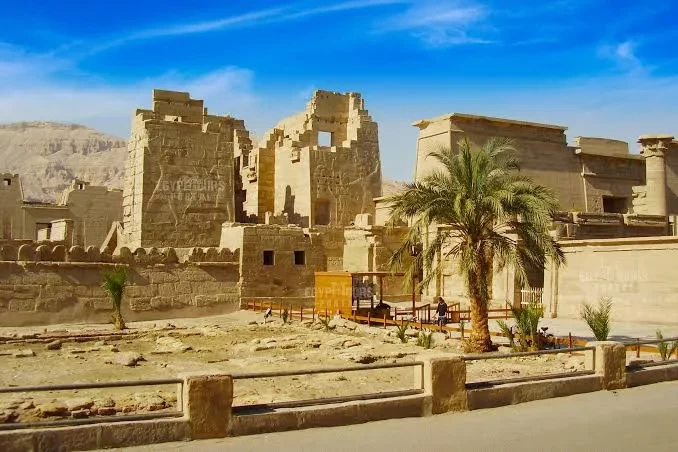
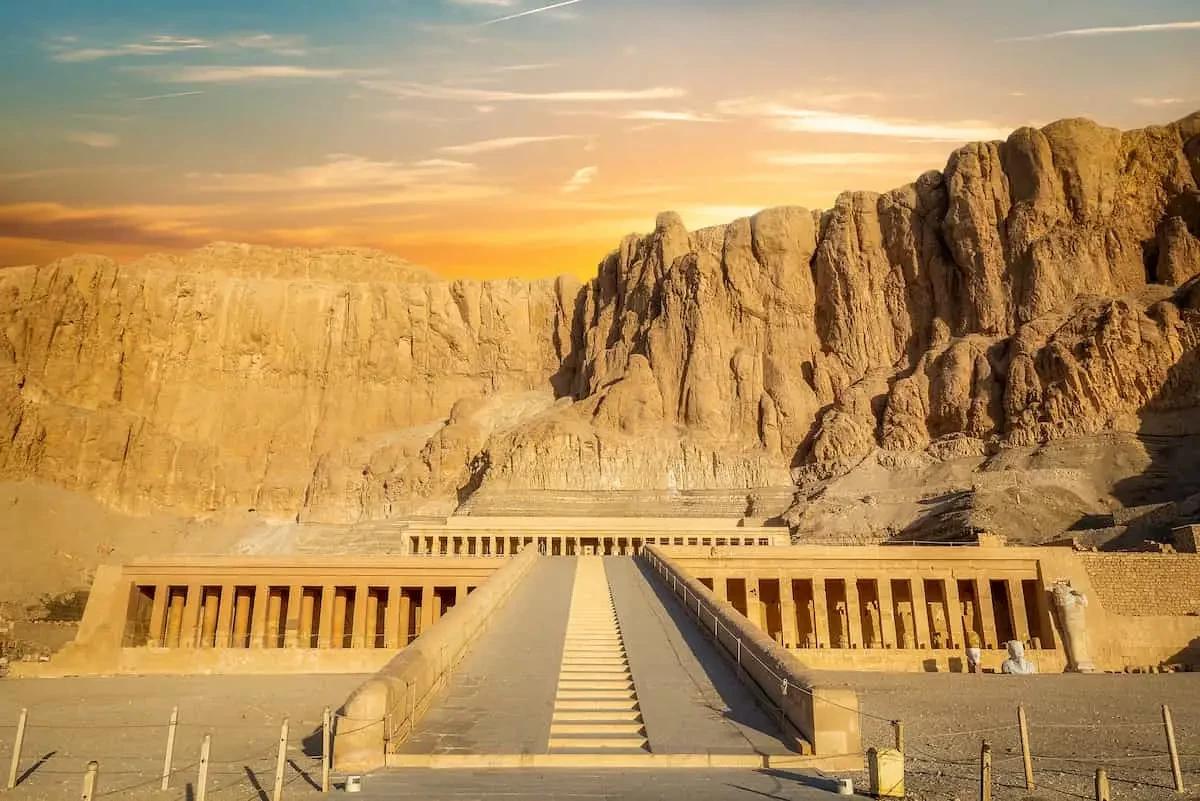
If you want ancient Egyptian history to feel real, visit Medinet Habu. It sits on the West Bank in Luxor. The temple stands out right away, with huge entry gates and carvings that are still easy to see. You can also read the reliefs and follow the scenes tied to Pharaoh Ramses III.
Many travelers put Medinet Habu on their list of Luxor attractions. It helps you look at old Egyptian life through architecture, beliefs, and royal history. If you are planning Egypt tours, adding this stop can show you a different side of Luxor, beyond the usual famous sites.
The History of Medinet Habu
Medinet Habu was put up under Pharaoh Ramses III in Egypt’s New Kingdom. The site worked as a mortuary temple. It was also used for rites and other religious events tied to the gods.
The thick outer walls were covered with carved scenes. These show wars, rituals, and offerings. Other carved moments also record key happenings from Ramses III’s rule.
When you visit today, you can step through the temple and view the carvings at close range. That makes it simpler to connect with what people believed and how royal life worked in ancient Egypt.
What Can You See at Medinet Habu?
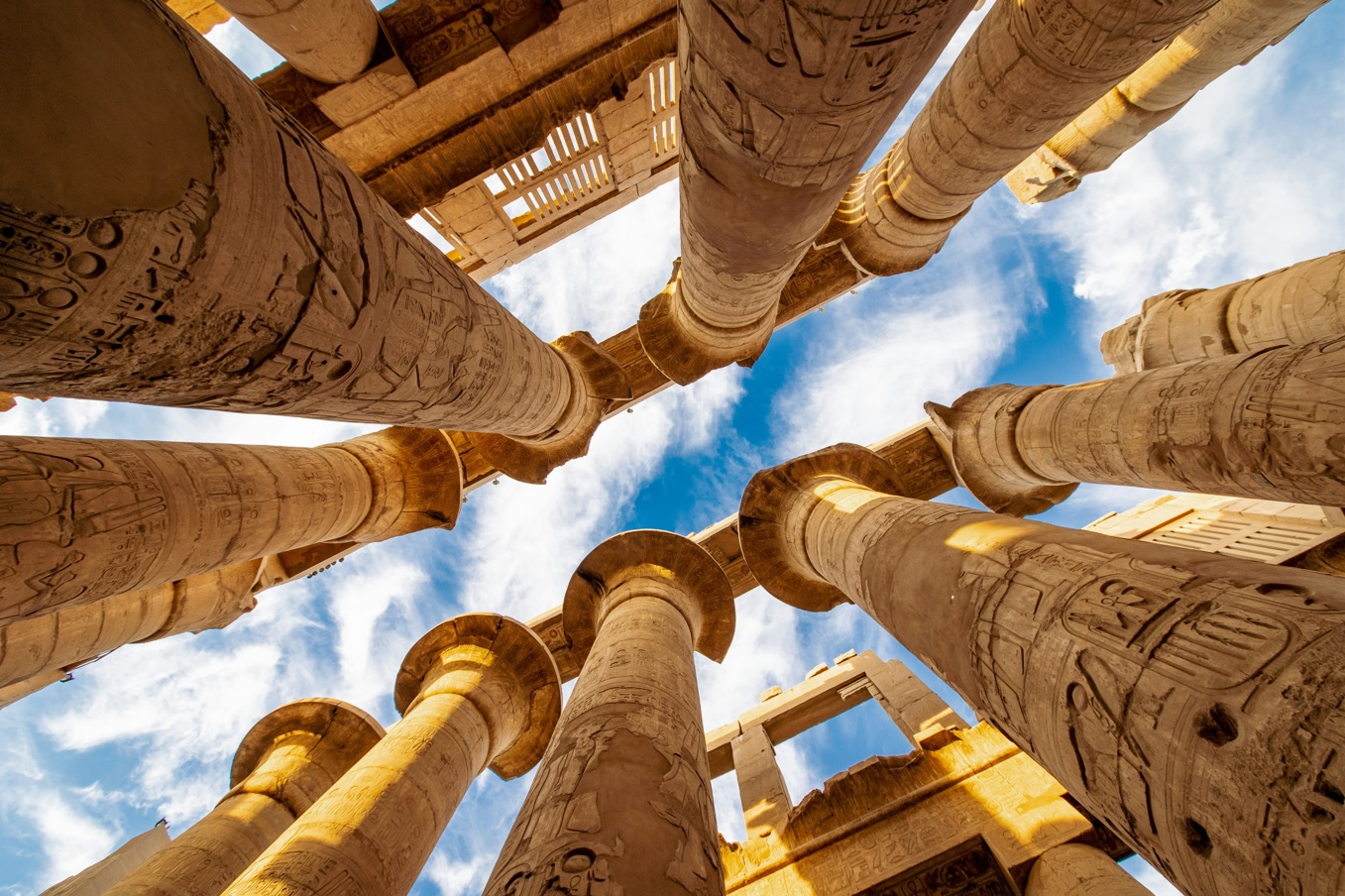
Medinet Habu has a lot for people who like ancient Egyptian history. Many visitors put it high on their list of Luxor sights. The temple has large entrance pylons and broad open courtyards. Inside, you can also spot decorated columns and long walls with carved reliefs.
The reliefs show Ramses III in different moments. He is shown offering to the gods. Other scenes depict religious events. You can even see him represented as leading soldiers into war.
Some areas still keep hints of the old paint. That detail helps you picture the site in its earlier days, long ago. Spend some time with the carvings. They do not just look nice. They connect to beliefs in religion, ideas of royal rule, and everyday life in ancient Egypt.
Visiting Medinet Habu on a Luxor Day Tour
Medinet Habu fits well into Luxor day trips, mainly when you want to see the West Bank. Many people plan it alongside the Valley of the Kings, the Valley of the Queens, and the Colossi of Memnon.
With a private guide, the visit tends to feel smoother. You get help with what the carvings mean, and you can connect the scenes on the temple walls to the bigger stories.
Whether you stay in Luxor for a long day or you link it with other stops on your Egypt itinerary, Medinet Habu leaves a strong impression.
Tips for Visiting Medinet Habu
- To get the most out of Medinet Habu, go earlier in the morning. This is even more important in the hotter months.
- Wear shoes that feel good for long walks. You will cross uneven ground and move through several parts of the temple.
- Bring water. Pack sunglasses and some sun protection too. Some areas of the site sit right out in the sun.
- A local guide is useful as well. They can talk through what the reliefs show. You will also hear what the symbols mean in the scenes around you.
- If you plan to see more places in Luxor, set aside enough time for Medinet Habu. Then the day stays easy and less rushed.
-home-package-card-315.webp)
.png "Partner")

.png "Partner")
.png "Partner")

.png "Partner")