The History of Ancient Memphis
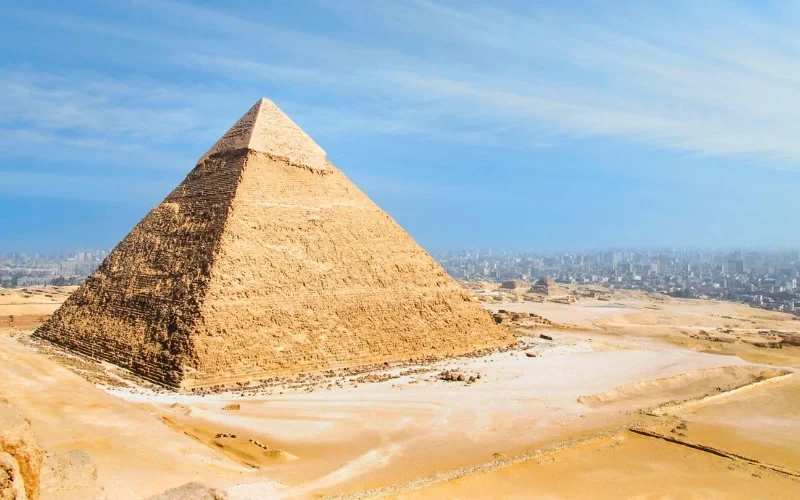
Memphis is considered to be one of the most prominent historical places in Egypt, since it represents the vestiges of civilization which existed well before the creation of the modern city of Cairo. In ancient times, Memphis served as a capital of Egypt, hence contributing significantly to the politics, religion and culture of this nation.
Discover the History of Ancient Memphis
Memphis was one of the early capital cities in ancient Egypt and was significant for thousands of years in terms of both political and religious life. Traditionally, Memphis is linked to the unification of Egypt in 3100 BC and served as the seat of royal government and the worship of Ptah, a creator god who was very much involved in the arts of craft.
The geographical location of the city near the Nile Valley and Delta contributed to its status as a significant city of ancient Egyptian civilization. Furthermore, Memphis was also linked to a series of royal necropolises like Saqqara and Dahshur.
Though most of ancient Memphis has disappeared, the remaining structures serve as a testimony to the significance of this site. The city and its necropolis have been included in the list of UNESCO World Heritage Sites because of their significant archaeological value.
Explore the Main Attractions in Memphis
Some of the most impressive monuments of Mit Rahina are displayed in the Memphis Open-Air Museum. This museum helps one learn more about the sculpture and art of ancient Egypt and its religious traditions.
See the Colossal Statue of Ramesses II
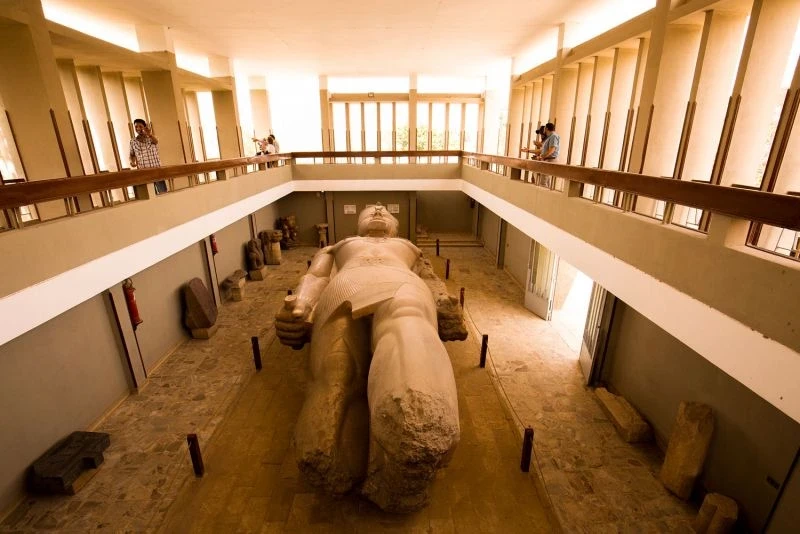
One of the best things about the museum is the giant limestone statue of Ramses II. This is a huge piece of art that represents the famous king and shows the ability of ancient sculptors.
This sculpture is exhibited in its reclining position, and people can see how huge this piece is and how perfectly it is made. This is one of the best-known sites in Memphis and a good reason for people to visit it.
Visit the Alabaster Sphinx
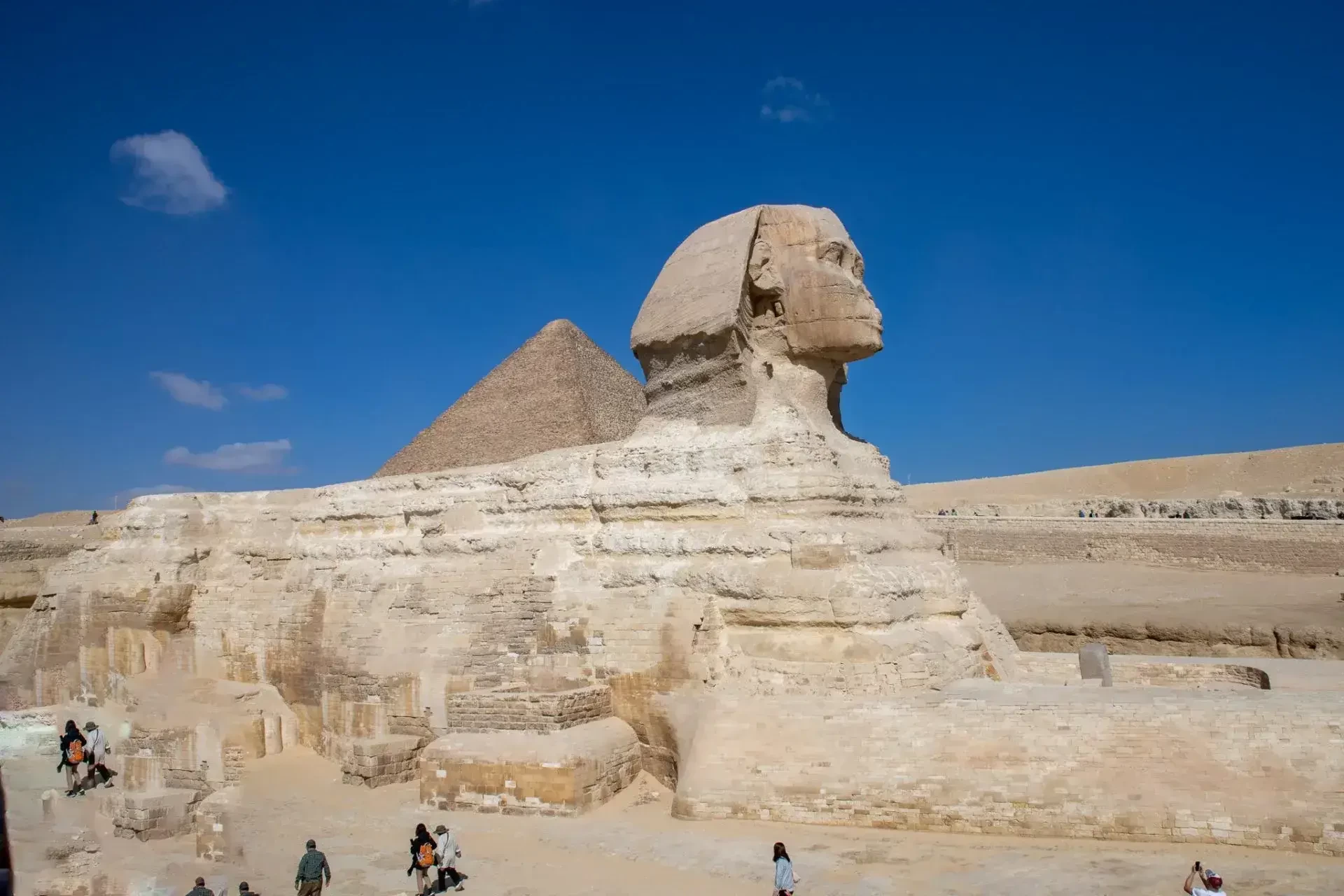
The other prominent landmark at this site is Alabaster Sphinx, which is made out of translucent calcite and consists of a human head and a lion’s body – the features that symbolized royal power in ancient Egypt.
One can also find other sculptures, pieces of carved stones, and ruins on the territory of the museum, all of which give visitors insights into the art of ancient Memphis.
Combine Memphis with Saqqara and Dahshur
There is more value in visiting Memphis along with nearby archaeological sites. Both places will provide different information about the history of Egypt in the past. It is even possible to visit many monuments in a single day.
Explore Saqqara's Ancient Pyramids
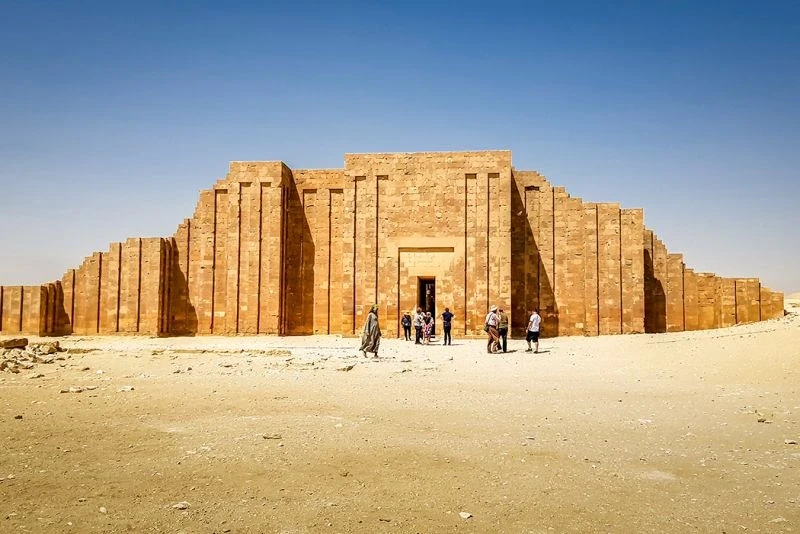
The Saqqara is well-known for the Step Pyramid of Djoser, which was among the first great stone pyramids in Egypt. Other features of this site include tomb paintings, the chambers where members of the royal family were buried, and many more.
Discover the Pyramids of Dahshur
The Bent Pyramid and Red Pyramid at Dahshur provide yet another angle on pyramid building. The two pyramids show several significant developments during the process of transitioning to the true pyramids that would be famous at Giza.
A visit to Memphis together with Saqqara makes an excellent historical tour from Cairo, but including Dahshur in the program allows one to discover even more Egyptian architectural treasures. This is an ideal tour for those who wish to venture beyond the beaten tourist paths.
Visiting Memphis Alongside Saqqara
Both Memphis and Saqqara are historically linked by their history, but Memphis and Saqqara provide a different outlook on ancient Egypt. While Memphis is associated with the rule of the kings and religion, Saqqara is well-known because of its cemeteries and the Djoser Step Pyramid.
By traveling to both these sites, visitors will be able to learn about the evolution of the royal power and the burial customs. They can explore the remnants of Memphis before going to Saqqara and seeing the pyramids and other archaeological monuments there.
Usually, both these sites are included into Cairo Day Tours; therefore, they make a good addition to tours that cover the major ancient Egyptian landmarks apart from the Giza Pyramids.
Why Memphis Should Be on Your Egypt Itinerary
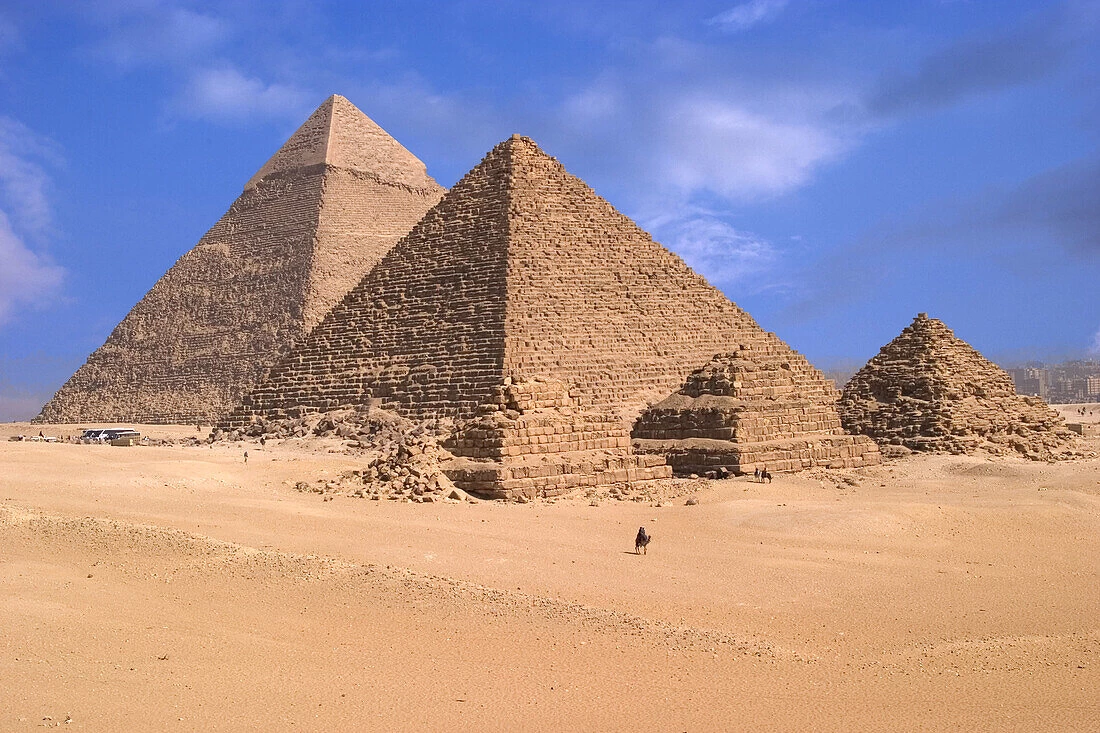
Even though the pyramids of Memphis cannot compete with those located in Giza and Saqqara, there is still a lot that is worth seeing in Memphis. Its statues and archaeological remains remind people of an important site of the development of ancient Egyptian civilization.
Therefore, for those interested in the pharaohs, religion and royal capital cities of ancient Egypt, it is a perfect additional destination when traveling to Egypt Tours.